
What the day feels like
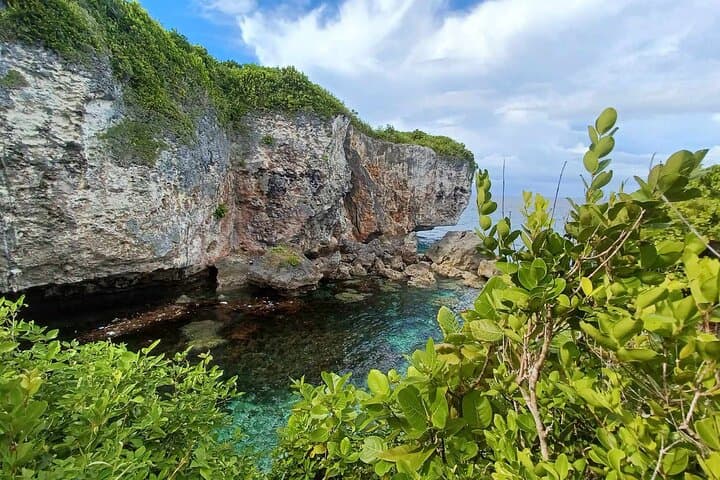
The morning spits silver across the Visayan Sea as the bangka pushes off from Santa Fe’s wooden jetty. Salt taste and motor hum; the world narrows to a ribbon of wake and the slow, confident arch of the hull. Behind you, Bantayan’s low green spine and thatched roofs shrink. Ahead, Kinatarkan rises from blue with the casual mystery of an island that refuses a quick read—limestone cliffs, forested ridges, pocket lagoons and caves that demand you slow down and listen.
Island hopping here is not about packed sandbars and Instagram-perfect crowds. It’s an old-fashioned day of discovery: a ferry’s shuffle of salt and breeze, a series of short treks through tropical forest that smell of damp leaves and ocean, and the intermittent thrill of snorkeling where coral heads insist you respect their fragile architecture. Kinatarkan’s beaches are smaller and more private than Bantayan’s wide crescent sands, its caves low and shadowed rather than cathedral-vast. That intimacy is the draw—every cove feels like something you found, not something people found for you.
Geologically, the islands are coral and limestone capped by a tropical veneer. The rock has been chewed by sea and rain into cliffs, karst shelves and hollows that shelter brackish lagoons. Those lagoons, where fresh groundwater fingers into the tide, sustain a surprising biodiversity: fiddler crabs, tiny mudskippers and mangrove shoots that anchor a coastline still mostly unpaved by development.
Bantayan’s human story is compact and pragmatic. The island’s name—bantayan—means “lookout,” a reminder of a time when coastal watchtowers scanned for raiders. Fishing and small-scale farming remain economic anchors, and you’ll see the evidence in the hand-woven nets, the drying fish frames and coconut groves. Kinatarkan, though quieter, shares that maritime culture; families here make a living from the sea and welcome visitors in a way that feels more neighborly than transactional.
On a typical excursion you’ll trade the slow mainland rhythms—Cebu’s traffic and airport bustle—for a day measured in deck chairs, flip-flops and the soft arithmetic of tides. The tour is often 4–6 hours: an hour-plus ride from Santa Fe to Kinatarkan, stops for caves, snorkeling and a lagoon walk, then a return crossing as the wind eases. The active parts are short and accessible: scrambling over limestone shelves, navigating muddy trail under mangroves, and splashing into shallow reefs. That makes the trip ideal for travelers who want a touch of adventure without committing to a multi-day trek.
Practicalities matter here as much as romance. Weather decides the feel of the day; when the sea is glass, the visibility for snorkeling is exceptional and the kayaks glide like thoughts across the lagoons. When trade winds rise, the bangka’s rhythm changes and the ride becomes part of the story—hold your hat and appreciate the motion. Footwear that grips wet rock is worth its weight in calm—water shoes or light trail shoes keep you upright on the limestone. Bring reef-safe sunscreen; the reefs are small, easily stressed and irreplaceable.
Timing your visit can change the whole mood. Go early: beaches are quiet, the sun is kinder and the boat schedule is generous. Pack water and a salty snack—local guides often include a simple lunch of grilled fish and rice, but having your own extras keeps you flexible. Respect the islands’ pace: don’t pull starfish off the reef for photos, avoid stepping on coral, and accept that the best moments are found slowly: a lagoon rimed in sunlight, a cave mouth where bats hang like dark grapes, the distant laugh of a child on a remote shore.
For the curious planner: the tour offers a manageable window into the islands’ natural diversity without demanding technical skills. The walk through forested paths is generally short but sometimes uneven; the snorkeling spots are shallow and family friendly. If you want more, combine this day trip with a night on Bantayan to explore local markets, try kinilaw (fresh fish cured in citrus) and watch fishermen arrange their nets at dawn. The real reward is the kind of travel that leaves you with a few good stories, sand in your shoes, and a sense that the Philippines still has quiet places where the sea calls the rhythm.
Why go? Because Kinatarkan is the kind of place that rewards attention: not a single postcard scene but a sequence of small revelations—an arching cave entrance half-hidden by ferns, a lagoon that changes from green to blue as you skirt it, a reef patch where a shy parrotfish rearranges the coral. It’s easy enough for families and enticing enough for solo adventurers who want to swap crowds for substance.
If you go, go with respect. The island’s ecosystems are delicate and the community is small. Bring reef-safe sunscreen, leave no trace, and listen to your guide; the best parts of the day are often the unassuming ones—a shell-strewn inlet, a shady pandan grove, and a meal shared on a wooden table with the wind making the menus out of song.
In the end, island hopping from Bantayan to Kinatarkan is a lesson in measured travel: subtract the hurry, add curiosity, and what remains is a day of quiet discoveries that linger longer than a single photograph.
Trail wisdom
Small choices, better day.
Protect the Reef
Use reef-safe sunscreen and avoid stepping on or touching corals—fragile reefs are easy to damage.
Wear Grippy Footwear
Limestone shelves and wet trails can be slippery—water shoes or light trail shoes improve stability.
Bring Cash
Small island vendors and boat crews often accept only cash for beach snacks, tips and small fees.
Start Early
Morning trips mean calmer seas, better snorkel visibility and cooler hiking conditions.
Local knowledge
Read the place, not just the route.
Watch for native species including Parrotfish, Fiddler crabs.
Keep an eye out for wildlife during the transition between areas and habitats. Respect distance guidelines.
Coral reefs and mangroves here are fragile—use reef-safe products, avoid anchoring on corals and support local operators who practice low-impact tourism.
Follow the guide's instructions on size limits, ethical handling, and leave-no-trace practices.
A tiny sand spit near Kinatarkan that shifts with the tide—perfect for private picnics. A shaded pandan grove beside a lagoon where locals gather to shell coconuts
Locally recommended viewpoints and quiet spots known best to local operators.
Bantayan derives its name from the Cebuano word for "lookout"—the islands historically hosted coastal watchtowers to guard against raiders.
Maritime roots and regional tradition shape the waterways and working coasts.
Seasonal guide
Four versions of the same landscape.
Spring
Best forCalmer seas · Good snorkeling
ChallengesOccasional afternoon squalls · Higher temperatures
Late March to May brings dry, warm weather and good water visibility—expect sunny conditions and pleasant snorkeling.
Summer
Best forBeach days · Long daylight hours
ChallengesPeak heat · More local visitors in April–May holiday period
The hottest months offer long, sun-filled days—arrive early to avoid midday heat and local holiday crowds.
Fall
Best forFewer tourists · Comfortable temperatures
ChallengesOccasional storms from the southwest
Late October–November can be quieter and comfortable, though storms occasionally push through; check forecasts before booking.
Winter
Best forDramatic skies · Less humidity
ChallengesRougher seas during monsoon swells · Some services reduced
December–February bring cooler temperatures and potential northeasterly swells—boat operators may alter routes for safety.
Operator details
What the booking data adds.
Included
- ✓Lunch is only included if you book the options including meals. In case you booked the lunch as inclusions please let us know what you prefer (meat, seafood, veggies).
- ✓Local guide
- ✓Bottled water
- ✓All taxes, fees and handling charges
- ✓Use of Snorkelling equipment
- ✓Fuel surcharge
- ✓Boat / Boatmen
- ✓Environmental Management Charge (Reef Tax)
Good to know
- ✓Not recommended for travelers with spinal injuries
- ✓Not recommended for travelers with poor cardiovascular health
- ✓Not recommended for pregnant travelers
- ✓Public transportation options are available nearby
- ✓Infants are required to sit on an adult’s lap
- ✓Suitable for all physical fitness levels
- ✓Minimum drinking age is 18 years
- ✓Children must be accompanied by an adult
Pack with intention
What to bring.
Good to know
Common questions.
Expect roughly 45–90 minutes depending on sea conditions and your departure point on Bantayan; some itineraries include a series of short hops between islets.
Plan the edges
The details that make the day easier.
The name 'Bantayan' comes from the Cebuano word for 'lookout'—the island once had coastal watchtowers used to scan for approaching vessels and raiders.
After the trip, head to Santa Fe’s beachside eateries for grilled fish, kinilaw and fresh coconut water; finish with a cold San Miguel at a simple beachfront bar while watching fishermen mend nets.
- Closest airport
- Mactan–Cebu International Airport (CEB). Typical route: drive to Hagnaya Port (3–4 hours from Cebu City) then ferry to Bantayan or take a fast boat to Santa Fe; driving distance from Cebu City to Hagnaya: ~160 km. Cell service: intermittent on smaller islands. Permits: No special permits, but small beach
These reefs and mangroves are highly sensitive—use reef-safe sunscreen, avoid anchoring on coral, pack out all trash and support local operators who limit visitor impact.
Explore by topic
Follow the threads.
Keep exploring
Make the story part of the trip.
In four hours you can move from shaded canyon ferns to wind-scoured coastal ridgelines, guided by someone who knows where the light—and the hidden views—live. This private half-day hike on the Monterey Peninsula or Big Sur is compact, curated, and perfect for travelers who want depth without a multiday commitment.
 Related story
Beneath a sky of shifting light, Skaftafell’s ice reads like a map of time. This three-hour guided glacier hike mixes technical instruction with geology and culture: compact, safe, and unforgettable.
 Related story
Lose the city for a few hours without leaving it: this 5-mile, 900-foot-gain Forest Park loop threads old-growth pockets, city viewpoints, and cultural landmarks for a compact taste of Portland’s wild side. Expect moss, roots, and stories.