
What the day feels like
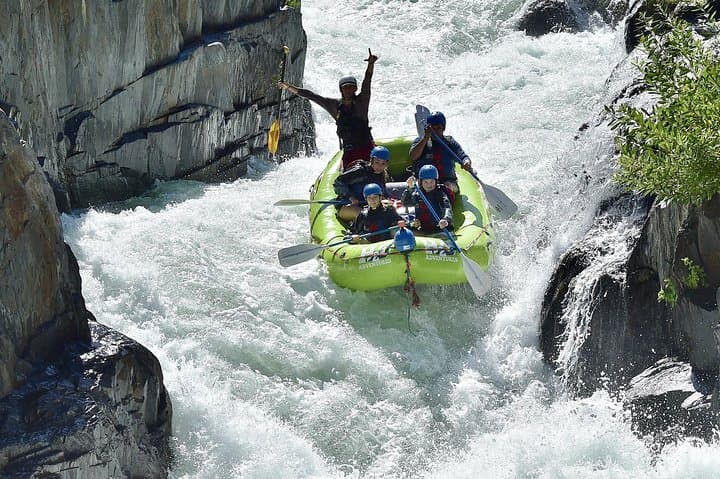
Dawn drapes the foothills in a pale gold as you roll east from Auburn, the road tracing the spine of the canyon. By the time the rafts slide into the Middle Fork, the river is already awake—shouldering rocks, testing eddies, whispering a dare. Guides call the first commands and the boat responds, a quick snap into rhythm. You feel the current take hold like a firm handshake. Granite walls hem the channel. Oaks lean in like spectators. A line of white riffles hisses ahead, and you realize the Middle Fork doesn’t waste time with introductions.
The full-day run here is a 17-mile ribbon of Class III–IV whitewater stitched through one of California’s most storied canyons. This is where the Sierra lets its guard down—less alpine drama, more muscle and momentum—carving a corridor rich with Gold Rush lore. The signature rapid, Tunnel Chute, steals the breath and then returns it with a shout. Blasted by miners in the late 1800s to divert the river and expose the bedrock below, the chute drops you into a tight slot before the current grabs the raft by the shoulders and hurls it into the dark mouth of an excavated tunnel. It’s a moment that distills the Middle Fork’s character: human history and raw hydraulics braided into one exhilarating line.
Between rapids, the river softens. Ponderosa pine scents the air. Ospreys draw perfect circles overhead, scouting for trout. Small cascades bead the canyon walls, tiny signatures in a granite ledger. The boat drifts and the river hums, an undertone you feel in your ribs. Lunch unfolds on a rocky bar—sandwiches, something crisp and cold, a waterfall of sunlight on the water—and then the day gathers again. Rapids like Good Morning and Cleavage flex the paddling muscles; eddies swirl like punctuation marks. You start to read the river’s energy, the way it sets its jaw before each drop.
Geology is the river’s skeleton here. This canyon cuts into granodiorite and metamorphic rock, a hard-won passage polished by freshets and spring melt. Summer brings consistent flows thanks to upstream hydropower releases, a heartbeat of cold, clear water that keeps the season long and reliable. The history rides the banks: tailings from old diggings, the faint suggestion of a chute or flume, stories of fortune and grit that cling to the bedrock. The most sobering relic arrives near day’s end at Ruck-A-Chucky Falls, a Class VI drop that even guides won’t run. Here the river bares its teeth and demands humility. Rafts are portaged; guides might ghost-boat through a side line while guests hike around on a canyon trail, a good reminder that adventure thrives on respect.
Culture in the foothills threads through small towns like Auburn and Foresthill, where diners still pour coffee refills without asking and historic main streets keep time with a slower metronome. After the river, you might find yourself at a local taproom nursing a pale ale brewed down the road, the day’s images looping like a highlight reel: the arrowing glide into Tunnel Chute, the way your crew found a clean line through a lateral wave, the canyon’s quiet stretches that felt like permission to breathe.
For all its swagger, the Middle Fork is accessible. You don’t need whitewater experience to join a guided trip, just a willingness to paddle, listen, and lean into the adventure. Outfitters supply gear and instruction, setting a tone that’s equal parts safety and stoke. Expect a detailed river briefing before you launch: how to swim aggressively, how to tuck for a rapid, how to read a guide’s paddle signals when the water gets loud. Expect, too, the river’s cold grip—it’s fed by bottom-release flows—so even on a hot day the Middle Fork is brisk. Wetsuits are common in spring; splash jackets and quick-dry layers are smart in any season.
Logistics are straightforward. Auburn makes an easy base with quick access to the put-in and a tidy grid of cafes and motels. Sacramento International Airport sits about an hour away, and the shuttle logistics are handled by your guide service so you can focus on strokes and scenery. Summer is peak—long days, dependable flows, more rafts in the canyon. Spring rides higher and colder, fall calms down with crisp mornings and clear light. Winter is mostly for the river itself; commercial trips taper off while storms recharge the mountains.
What brings people back to the Middle Fork, beyond the big-ticket rapids, is the river’s conversation with you. The current nudges you into the right eddy, then dares you to hit a wave train straight and true. The canyon closes in, then opens like a door. You paddle hard through a drop, then float past a quiet bend where the water polishes stone and a heron works its way upstream on deliberate wings. The river makes its case with movement and memory. By take-out, you’ll already be replaying lines and talking about next time.
Practical Edge: 17 miles, Class III–IV, full-day on-water time around 6–7 hours not counting shuttles. Helmets and Type V PFDs are standard. Bring sunglasses with a retainer, water shoes with secure straps or neoprene booties, sun protection you can’t lose to a wave, and a willingness to get wet. Hydrate early and often. Keep your PFD snug. And when the guide calls, paddle like you mean it—the Middle Fork rewards commitment.
Trail wisdom
Small choices, better day.
Dial in your PFD fit
Snug down all straps so the vest can’t ride up when you swim; a secure PFD keeps your airway clear in pushy hydraulics.
Footwear that won’t bail
Wear secure water shoes or neoprene booties—no flip-flops. You’ll need traction on slick rocks at lunch stops and during the Ruck-A-Chucky portage.
Protect your eyes—secure your shades
Use polarized sunglasses with a retainer strap to cut glare and keep them from vanishing in a wave train.
Hydrate before the heat
Start drinking water at the trailhead; summer sun plus cold water can mask dehydration until it’s too late.
Local knowledge
Read the place, not just the route.
Watch for native species including Osprey, River otter.
Keep an eye out for wildlife during the transition between areas and habitats. Respect distance guidelines.
You’re rafting within Auburn State Recreation Area—pack out everything, respect cultural artifacts, and rinse gear to prevent spreading invasive species between watersheds.
Follow the guide's instructions on size limits, ethical handling, and leave-no-trace practices.
Quarry Trail along the Middle Fork to historic limestone works and canyon views. Drivers Flat Road overlook for sunrise light on the canyon
Locally recommended viewpoints and quiet spots known best to local operators.
The famous Tunnel Chute was blasted by miners in the late 19th century to divert the river and expose gold-bearing bedrock, a dramatic remnant of the California Gold Rush.
Maritime roots and regional tradition shape the waterways and working coasts.
Seasonal guide
Four versions of the same landscape.
Spring
Best forBigger, faster flows · Fewer crowds
ChallengesCold water temperatures · Variable weather; wetsuits often required
Spring brings punchy water and crisp mornings. Expect colder swims and dress accordingly.
Summer
Best forDam-released, dependable flows · Warm air temps and long days
ChallengesPeak crowds · Strong sun exposure in the canyon
This is prime time on the Middle Fork—reliable releases and classic Class III–IV fun. Book early and bring serious sun protection.
Fall
Best forQuieter trips · Clear light for photography
ChallengesShorter days · Occasionally lower or changing release schedules
Crisp mornings and thinner crowds make fall a sleeper favorite. Expect cooler air and check flow schedules.
Winter
Best forSolitude on canyon trails · High water scouting from the rim
ChallengesLimited commercial trips · Cold, storm-driven conditions
Winter is off-season for rafting but great for planning and exploring overlooks when storms clear.
Pack with intention
What to bring.
Good to know
Common questions.
No. First-timers are welcome with licensed guides. You should be able to paddle, follow instructions, and be comfortable in moving water.
Plan the edges
The details that make the day easier.
Tunnel Chute on the Middle Fork American River was created by miners in the late 1800s to divert the river through a blasted tunnel at Horseshoe Bar, revealing gold-rich bedrock that could be worked more easily.
Post-river, refuel in Auburn: grab tacos and a pint at a local taproom downtown, or hit a bakery for a cinnamon roll the size of your fist. If you’ve got time, stroll Old Town Auburn’s antique shops and the Placer County Museum to connect the day’s Gold Rush threads.
- Closest airport
- Sacramento (SMF), ~50 miles
This canyon is part of Auburn State Recreation Area—pack out all trash, use reef-safe sunscreen, and leave mining artifacts undisturbed. Clean and dry gear to avoid transporting invasive species between rivers.
Explore by topic
Follow the threads.
Keep exploring
Make the story part of the trip.
Set out from Bass Harbor for a private, customizable day on Blue Hill Bay — lighthouses, puffins, seals, and the chance to feel Acadia from the water. Small groups, local captains, unforgettable views.
In four hours you can move from shaded canyon ferns to wind-scoured coastal ridgelines, guided by someone who knows where the light—and the hidden views—live. This private half-day hike on the Monterey Peninsula or Big Sur is compact, curated, and perfect for travelers who want depth without a multiday commitment.
 Related story
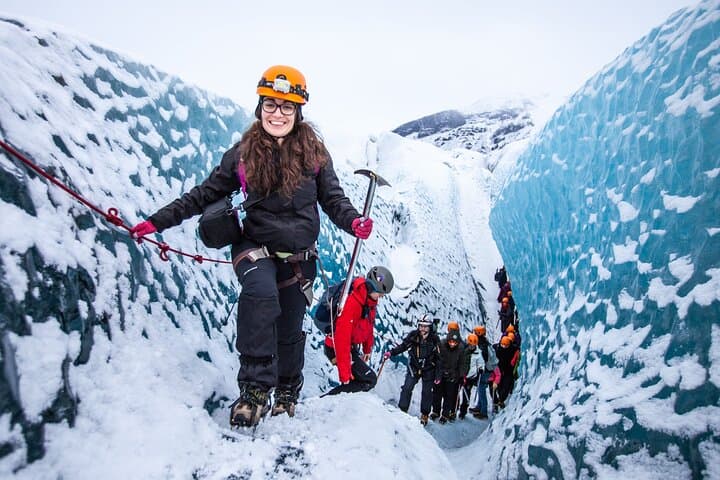
Beneath a sky of shifting light, Skaftafell’s ice reads like a map of time. This three-hour guided glacier hike mixes technical instruction with geology and culture: compact, safe, and unforgettable.