
What the day feels like
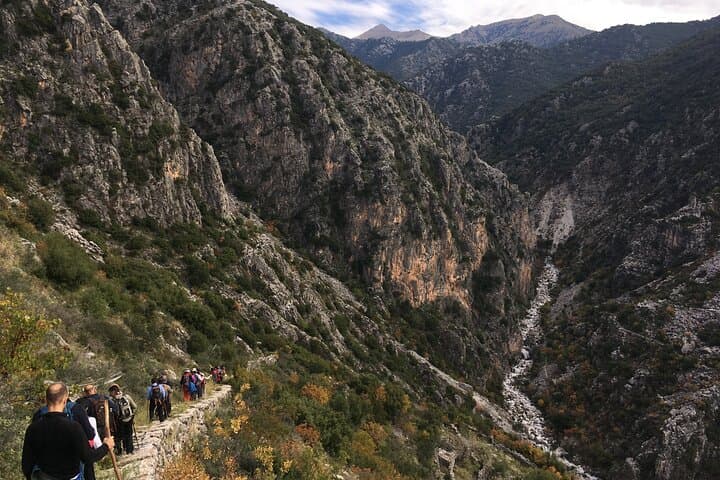
On a July morning the light above Viros Gorge feels as if it’s been filtered through green glass. The path drops quickly from a limestone ridge into a ribbon of shadow where the Viros river dares you to slow down. Water murmurs against rounded stones; rock faces, scraped by ancient floods, rise like cathedral buttresses. A monk’s bell—somewhere off the beaten line—tints the air. For five hours you walk inside that cool pocket of the Mani Peninsula, where the heat of southern Greece is kept at bay by cliffs and a canopy of plane and holm oak.
The Viros Gorge hike is part natural theater, part history lesson. Geologically, this is Taygetos country: faulted limestone folded and scoured, a landscape that encourages caves, spring-fed streams, and narrow defiles that funnel wind and water. The gorge’s gray rock tells a long story of uplift and erosion; its terraces hold olives that have fed villages for centuries. Culturally, you walk through a region that has resisted easy categorization—Mani has long been a place of independent clans, Byzantine chapels, and tall stone tower-houses built as both home and stronghold. The tour’s curated stop at a monastery delivers that sense of continuity: centuries-old icons, the hush of prayer, and a view that turns otherwise ordinary scrubland into a carved, devotional landscape.
This Viros Gorge hike is guided and compact—five hours on the clock, with time to explore monastic ruins and a handful of river-side pools. Most of the walking stays in the shade, which is why local guides sell it as a summer-friendly route: the trees and the gorge’s orientation reduce sun exposure, and the river behaves like a natural air conditioner. Terrain is mixed—packed dirt, rocky steps, a few short scrambles where hands steady you on exposed ledges. The guide in your group will set the pace and handle logistics; this operator includes a first aider in the guiding team, which matters when you’re moving on uneven ground.
On the practical side, plan on a steady but not frantic pace. The tour runs roughly five hours door-to-door, and most groups cover between 6–10 kilometers depending on route variations and time spent at cultural stops. Expect cumulative elevation gains in the low hundreds of meters—nothing alpine, but enough to make breathable fitness useful. Footing can be loose and occasionally wet where the river crosses the trail; good footwear and poles are welcome. Water is not abundant in the gorge in late summer, even though the river seems omnipresent—carry at least 2 liters per person, more if you are prone to heat fatigue.
Wildlife is understated but present. Griffon vultures wheel on thermals above the canyon; small mammals and reptiles thrive in sunlit rock rubble; and if you’re lucky you’ll catch sight of an otter where the stream widens. Birdsong and the slap of insect wings fill pauses between conversation. In a way, the environment participates in the hike: wind nudges you along narrow ledges, water invites a barefoot step across a stone, and the gorge itself alternates between sheltering and confronting you with scale.
Logistics are simple: the nearest practical hub is Kalamata (Kalamata International Airport, KLX), from which the drive to the meeting point is typically under an hour depending on traffic and the tour’s exact rendezvous. The Viros Gorge hike is offered as a guided activity with manual confirmation—book early in summer—and includes free cancellation as noted by the operator. Cell service can be intermittent in the gorge; expect reception near villages and the trailhead but not in the deeper cuts. There are no formal permits required to hike, but the recommended route uses local paths that are best navigated with a guide, especially if you want the monastery visits and cultural context.
For travelers thinking practically: start early in summer when temperatures are cooler and golden light makes the limestone glow. Bring layered sun protection for the approach and late afternoon, a refillable water bottle, a lightweight rain shell—thunderstorms can roll up quickly even in dry months—and a small first-aid kit if you like redundancy. The guide carries emergency gear, but you should take personal essentials too. After the trail, reward yourself in a nearby taverna with grilled fish, Kalamata olives, and a cooling tzatziki—this is a region that eats and drinks the landscape.
Why hike Viros Gorge? It’s a measured exposure to Mani: geological drama without the commitment of high-alpine routes; moderate fitness required, but high on sensory payoffs—river, shade, monasteries, and views. For families and seasoned trekkers alike, it’s an efficient five-hour taste of southern Greece, the kind of trail that keeps you present, hydrated, and curious. The gorge doesn’t ask for bravado; it asks that you notice, that you move attentively, and that you respect the fragile human traces—chapels and terraced olives—on its edges.
If you want an antidote to hot, exposed coastal hikes in midsummer, Viros Gorge offers the shade, the stories, and the cool water. Go with a guide, go ready to walk, and go with pockets empty of trash—the gorge will look after you if you look after it.
Trail wisdom
Small choices, better day.
Start early or late
Aim for a pre-noon or late afternoon start to avoid the highest temperatures and catch softer light in the gorge.
Good footwear matters
Sturdy hikers with ankle support and grippy soles will make loose rock and wet crossings far easier.
Carry at least 2L of water
Shade helps but doesn’t replace hydration—bring a refillable bottle and electrolyte mix for hot months.
Respect cultural sites
Monastery visits are part of the route—dress modestly, move quietly, and ask before photographing interiors.
Local knowledge
Read the place, not just the route.
Watch for native species including Griffon vulture, Mediterranean otter (rare sightings).
Keep an eye out for wildlife during the transition between areas and habitats. Respect distance guidelines.
Stick to marked trails, avoid disturbing nesting birds, and carry out all trash—local ecosystems are fragile and recovery is slow.
Follow the guide's instructions on size limits, ethical handling, and leave-no-trace practices.
Small springs off the main trail where locals refill jugs. A tucked-away chapel with 14th-century fresco fragments (guide will indicate exact location)
Locally recommended viewpoints and quiet spots known best to local operators.
Mani is historically independent and dotted with Byzantine chapels and stone tower-houses; the gorge route passes old hermitages tied to this rugged cultural legacy.
Maritime roots and regional tradition shape the waterways and working coasts.
Seasonal guide
Four versions of the same landscape.
Spring
Best forWildflowers · Cooler hiking temperatures · Vulture sightings during migrations
ChallengesWetter trail sections · Possible muddy approaches · Occasional higher flows in streams
Spring brings blooms and comfortable temperatures, but be ready for muddy patches and stronger stream flows after rain.
Summer
Best forShade-filled hiking · Monastery visits in dry conditions · Long daylight hours
ChallengesHigh ambient temperatures outside the gorge · Limited water sources · Midday heat on approaches
Summer is ideal inside the shaded gorge—bring extra water and start early to avoid heat on exposed approaches.
Fall
Best forGolden light for photography · Stable weather · Fewer crowds
ChallengesCooler mornings · Shorter daylight windows · Occasional windy days
Autumn offers crisp air and great late-afternoon light; layers are important as temperatures swing.
Winter
Best forDramatic skies · Fresh, quiet trails · Lower visitor numbers
ChallengesCold snaps and possible snow at higher elevations · Short daylight · Colder water temperatures
Winter hikes are quieter but colder—expect brisk conditions and dress accordingly; some services may be reduced.
Operator details
What the booking data adds.
Included
- ✓Experienced guide and first aider
Not included
- —Food and Drink
Good to know
- ✓Service animals allowed
- ✓Suitable for all physical fitness levels
- ✓There are no health restrictions as long as you have the permission from your doctor to participate to any of our activities. For safety reasons we, also, need to be aware of your health condition.
Pack with intention
What to bring.
Good to know
Common questions.
The guided itinerary runs about five hours; route distance varies by group but typically falls between 6–10 km depending on stops.
Plan the edges
The details that make the day easier.
The Mani Peninsula is known for its stone tower-houses and numerous Byzantine-era chapels; many small monasteries in the region date back to the medieval period and are clustered near gorges like Viros.
After the hike, head to a seaside taverna in Kalamata or the nearby village of Kardamyli for grilled fish, a plate of local Kalamata olives, and house rosé. Look for family-run tavernas where olive oil is produced locally and the meal comes with homemade rakomelo or ouzo.
- Closest airport
- Kalamata International Airport (KLX). Driving time from Kalamata: ~30–60 minutes to meeting points depending on exact trailhead. Cell service: Reliable near towns, intermittent in the gorge. Permits: None required; guided tours recommended. Confirmation: Manual booking confirmation required; free cancellation offered by operator.
This gorge is part of the larger Taygetos ecosystem—stick to trails, carry out trash, avoid disturbing nesting birds, and favor local guides who support community livelihoods.
Explore by topic
Follow the threads.
Keep exploring
Make the story part of the trip.
Set out from Bass Harbor for a private, customizable day on Blue Hill Bay — lighthouses, puffins, seals, and the chance to feel Acadia from the water. Small groups, local captains, unforgettable views.
In four hours you can move from shaded canyon ferns to wind-scoured coastal ridgelines, guided by someone who knows where the light—and the hidden views—live. This private half-day hike on the Monterey Peninsula or Big Sur is compact, curated, and perfect for travelers who want depth without a multiday commitment.
 Related story
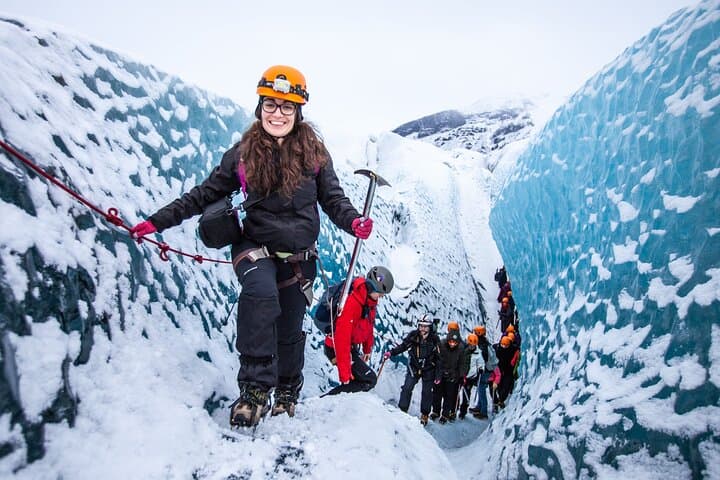
Beneath a sky of shifting light, Skaftafell’s ice reads like a map of time. This three-hour guided glacier hike mixes technical instruction with geology and culture: compact, safe, and unforgettable.