
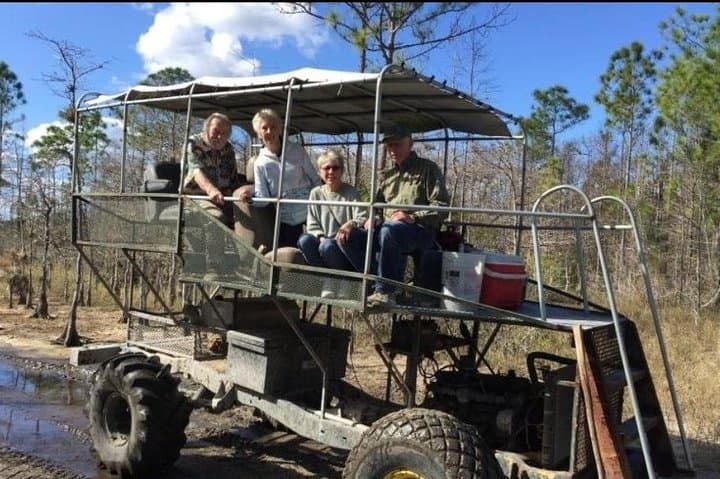
What the day feels like
The buggy shudders as it climbs out of a shallow choked pool, sending a spray of blackwater past my knees and a squawk from a great blue heron. The driver—Capt. Steve, who has been guiding these tracks since the swamp buggy was still a novelty—taps the throttle and the machine slides into a corridor cut through waist-high sawgrass. The landscape opens: a mosaic of glistening wet prairie, islands of cabbage palms, and the low-slung silhouettes of old pines. Every sound matters here—water rubbing against sedge, the distant thunk of a tail on a log, the high, nervous calls of ibis. You feel the Everglades as a living system, not a backdrop.
This is Big Cypress National Preserve, one of the larger and less manicured cousins to Everglades National Park. Geologically, the preserve is a shallow, limestone-controlled basin whose seasonal sheet flow—water that moves slowly across the surface instead of in channelized rivers—creates vast sawgrass prairies and cypress domes. Culturally, it’s a place of deep human ties: Seminole and Miccosukee people have long navigated these waters and hammocks, and small communities like Ochopee and Everglades City grew up with fishing and the ebb and flow of the land.
Capt. Steve’s Swamp Buggy Adventures leans into that backstory without flattening it into spectacle. The tour is private and intentionally unhurried—three to four hours that trade speed for depth. The guide points out practical things (how the subtleties of water depth influence turtle and frog habitat) and tells stories—of WWII pilots who ditched in the glades, of early cattlemen and of the swamp buggy itself, a machine invented to cross the seasonal slosh. National Geographic singled out Captain Steve’s tours in a “must do” nod, and the experience feels that calibrated: educational, immersive, and appropriately respectful of the landscape’s wildness.
Wildlife is never guaranteed—but it’s frequent. Alligators loaf on submerged logs like punctuation marks. Wading birds wheel and quarter, fingers of pink and white in the sky. If you time your visit during the dry season, animals concentrate around remaining pools, turning a long prairie into an intimate nature theater.
Practicalities matter on a tour like this. The buggy is an open, elevated vehicle with bench seating; it’s stable but subject to bumps and spray. The ride ranges from relaxed to lively depending on water levels and the route Captain Steve chooses. The company positioned itself as the first to commercially operate tours inside the Big Cypress National Preserve, and the tour length—about 180 to 240 minutes—gives you a proper feel for the place beyond the drive-by roadside shows that pass for Everglades tourism.
If you’re coming from Fort Myers or Naples, add a buffer for travel: roads are rural and cell service can be patchy. Dress for sun and humidity—light layers, a hat, and quick-drying clothes are smart. Bring binoculars and a small camera with a zoom; the best photos usually come when you’re patient and let wildlife reveal itself. If you’re traveling with kids, know that the tour is family-friendly but contains close encounters with wild animals, so clear guidance from the guide is essential.
Why do this instead of a traditional airboat ride? The swamp buggy’s lower and slower cross-country approach lets you penetrate deeper into variable habitats—cypress strands, grass prairies, and ephemeral pools—rather than blasting across a hard-packed canal. On a longer, private tour you get context: hydrology, regional conservation issues, and local human stories that shape how the preserve is managed today. And because this is a private experience, there’s no waiting in long lines; it feels like a dialogue with a place rather than a quick photo stop.
Plan for the season. The dry winter months concentrate wildlife and reduce mosquitoes; summer brings dramatic thunderstorms, exploding insect life, and a very different palette of green. Evenings can be chilly in the heart of the dry season, and midday in July feels decidedly tropical. The tour price (from about $195) reflects the private-vehicle model, the expertise of the guide, and the specialized equipment needed to navigate this landscape safely.
Leave no trace is a baseline principle here: don’t feed wildlife, keep trash contained, and listen to local guidance about sensitive areas. Big Cypress is federally protected, and small actions—packing out food waste, staying off fragile hummocks—help keep it that way.
At the end of the day you’ll have seen far more than gators and birds: you’ll have touched a set of ecosystems defined by subtle hydrology and human histories. The tour is both an accessible adrenaline fix and a thoughtful primer in how Florida’s wetlands live and breathe. For travelers who want a deeper, slower look at the Everglades system—one that favors explanation over spectacle—the four-hour swamp buggy ride is a rare, gritty, and honest way to understand this water world.
Trail wisdom
Small choices, better day.
Dress for spray
Wear quick-dry clothing and a hat—water and muck are part of the ride; closed-toe shoes keep toes safe.
Bring binoculars
Pack compact binoculars to spot wading birds and distant alligators without disturbing them.
Time it right
Book during the dry season for concentrated wildlife viewing and fewer mosquitoes.
Listen to the guide
Guides know sensitive areas and animal behavior—follow their instructions for safe, ethical viewing.
Local knowledge
Read the place, not just the route.
Watch for native species including American alligator, Roseate spoonbill.
Keep an eye out for wildlife during the transition between areas and habitats. Respect distance guidelines.
The preserve is protected federal land—visitors are urged to not feed wildlife, pack out trash, and respect seasonal closures to protect sensitive habitats.
Follow the guide's instructions on size limits, ethical handling, and leave-no-trace practices.
Cypress dome viewpoints reachable on slower sections of the tour. Small hammock islands where songbirds concentrate
Locally recommended viewpoints and quiet spots known best to local operators.
Big Cypress was established as a national preserve in 1974 to protect the headwaters of the Everglades and to recognize the region’s cultural heritage.
Maritime roots and regional tradition shape the waterways and working coasts.
Seasonal guide
Four versions of the same landscape.
Spring
Best forMigratory birds · Flowering sawgrass · Moderate temps
ChallengesUnpredictable weather · Increasing insects
Spring brings migratory birds and warming temperatures; expect more insect activity and occasional wet days.
Summer
Best forLush greenery · Heron nesting · Warm water activity
ChallengesDaily storms · High heat and humidity · Heavy mosquitoes
Summer is verdant but hot—storms and bugs spike; early mornings are the best window for wildlife viewing.
Fall
Best forFewer tourists · Transitional water levels · Comfortable days
ChallengesResidual hurricane season risk · Variable water depths
Fall cools slightly from summer; hurricane season effects can alter access and wildlife patterns.
Winter
Best forConcentrated wildlife · Dry driving conditions · Lower mosquitoes
ChallengesCooler nights · Higher demand for tours
Winter’s dry season concentrates animals near water—prime viewing, but book early as tours fill up.
Pack with intention
What to bring.
Good to know
Common questions.
The private swamp buggy adventure runs about 3 to 4 hours, depending on route and wildlife sightings.
Plan the edges
The details that make the day easier.
Big Cypress National Preserve was established in 1974 and protects the headwaters and seasonal flow essential to the greater Everglades ecosystem.
After the tour head to nearby Everglades City for fresh seafood at local cafés or check out small galleries and outfitter shops; many restaurants feature local stone crab and fish caught in the Ten Thousand Islands.
- Closest airport
- Southwest Florida International Airport (RSW, Fort Myers). Driving time: ~75–90 minutes from Fort Myers. Cell service: Patchy—plan offline maps. Permits: No special permits required for guided tours; follow preserve regulations.
Big Cypress is federally protected—do not feed wildlife, avoid trampling sensitive wetland vegetation, and pack out all trash to minimize human impact.
Explore by topic
Follow the threads.
Keep exploring
Make the story part of the trip.
 Related story
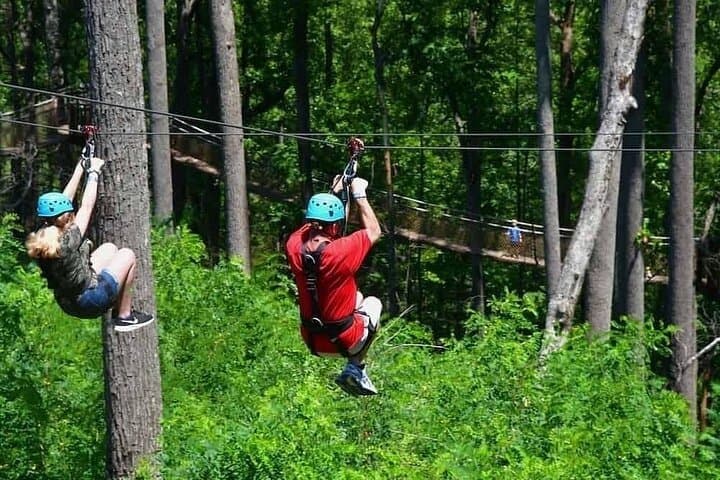
Less than two hours from Nairobi, Kereita Forest pairs hands-on canopy adventure with quiet montane trails and a sobering colonial history—perfect for families, teams, and curious travelers seeking a full-day pulse of nature.
Set out from Bass Harbor for a private, customizable day on Blue Hill Bay — lighthouses, puffins, seals, and the chance to feel Acadia from the water. Small groups, local captains, unforgettable views.
In four hours you can move from shaded canyon ferns to wind-scoured coastal ridgelines, guided by someone who knows where the light—and the hidden views—live. This private half-day hike on the Monterey Peninsula or Big Sur is compact, curated, and perfect for travelers who want depth without a multiday commitment.