
What the day feels like
At first light, the fireplace inside Bright Angel Lodge glows like a signal flare against the cool predawn air. Boots scrape, headlamps blink, and coffee warms jittery hands as the South Rim shakes off the last of the night. The canyon doesn’t so much wait as size you up. By 6 a.m., you’re laced up, pack cinched, and stepping off the rim with a small group and a hiking guide, the Bright Angel Trail cutting into the earth like a long breath out.
Nine and a half miles later, you’ll hear the Colorado before you see it—the low, steady bass note that turns to thunder at the water’s edge. Down here, the world narrows to rock and river, color and current. Guides greet you at Boat Beach near Phantom Ranch, dial in lifejackets, and load the last dry bags. You trade the rim’s bright bustle for the quiet power of an oar rig. And just like that, you’re committed to the flow.
This is the 6.5-Day Lower Oar-Powered Raft Trip with Wilderness River Adventures, a classic Grand Canyon rafting journey that links a hard-earned hike with 102 river miles, 39 named rapids, and a graduate course in desert time. From Phantom Ranch to Whitmore Wash, the canyon walls rise as if they’re leaning in to listen. The river keeps its own schedule, daring you in one moment with standing waves and then letting you drift under mesas where ravens choreograph the air.
The Lower Canyon wastes no time. Within the first handful of miles, names like Horn Creek, Granite, Hermit, and Crystal read like a who’s-who of whitewater. Oar-powered boats bring a measured rhythm: the guides’ strokes are deliberate, controlled, almost meditative—until the river stands up and roars. You lean forward into spray that feels like meltwater because, in a sense, it is: releases from Glen Canyon Dam keep the river a brisk 50-ish degrees year-round. The current urges downstream; the rafts, steady as pack animals, shoulder the load.
Days unfold with a cadence the canyon approves of. Rapids concentrate the senses, then the water relents and the walls do the talking. Tapeats Sandstone bears its ancient ripples like a memory. The Redwall soars overhead, cool and shadowed, a cathedral that hushes conversation. With each side hike—maybe up a slot to a susurrating waterfall or into a hidden alcove where an ancient granary holds on to a ledge—you feel the scale not only in height and distance but in time. Guides fold the story together: the Ancestral Puebloans who moved through here, the CCC masons who chiseled Bright Angel’s historic tread, Mary Colter’s Phantom Ranch, and the geologic staircase that displays nearly 2 billion years of Earth’s history.
Camps are small miracles on sandbars and beaches that seem to appear right on cue. Tents bloom as the sun slides behind rimrock. Dinner is hot, plentiful, and better than you expect in a place this remote. Conversation drifts between day’s highlights and tomorrow’s prospects. On clear nights, the Milky Way steps out like an uninvited guest who’s instantly forgiven. The river breathes beside you, exhaling against the shore. Sleep comes quickly.
By mid-trip, you’ll feel how the canyon reshapes your sense of movement. It’s not only about the whitewater—though the big drops will find your grin and keep it there—it’s about the texture between those moments: bighorn sheep posed on improbable ledges; the whisper of tamarisk in a downstream wind; the shock of emerald water at a side creek; the way a narrow slot concentrates the smell of wet stone. The Lower Canyon walks you through the heart of the story people come here to hear.
Logistically, this trip is streamlined in all the right ways. Expect a lodge meet-up on the South Rim the day prior, an early start at Bright Angel Lodge, a guided 9.5-mile descent to Phantom Ranch, and a lunchtime launch. Wilderness River Adventures handles the heavy lifting on the river: sturdy oar rigs, lifejackets, cots, tents, sleeping bags, camp chairs, waterproof storage, and well-run river kitchens. At trip’s end, you’ll pull into Whitmore Wash, where a helicopter lifts you skyward to Bar 10 Ranch on the Arizona Strip—an exclamation point of an exit—and a charter flight returns you to the South Rim or Las Vegas.
If you’re skimming for essentials, start here: this is an active, backcountry expedition appropriate for fit, adventurous travelers ages 12 and up. The hike down Bright Angel is real—9.5 miles, thousands of feet of descent, heat on the switchbacks. Pack your own trail snacks and electrolytes for the hike down per the outfitter’s guidance; once you hit the river, all meals are provided. Bring a sun-savvy kit: a brimmed hat and sun hoodie earn their keep, and closed-toe water shoes keep toes happy in the boats and at camp.
For the rest of you—river-curious, canyon-hungry, map-proud and ready—this is the Lower Canyon at its finest. You’ll learn the river’s moods and the canyon’s grammar, and you’ll be piloted by guides who read it like a favorite book. Ready to go deeper on logistics and availability? Explore dates, details, and booking options for this Grand Canyon rafting itinerary here: <a href="https://app.advcollective.com/local-experts/6-5-day-lower-oar-powered-raft-trip" target="_blank">6.5-Day Lower Oar-Powered Raft Trip</a>. For a primer on what makes the Lower Canyon special—and why oar-powered travel heightens the experience—this overview is a strong place to start: <a href="https://app.advcollective.com/local-experts/6-5-day-lower-oar-powered-raft-trip" target="_blank">Grand Canyon rafting with Wilderness River Adventures</a>.
The canyon won’t overpraise you. It will, however, meet you halfway: push through a rapid and it rewards you with a glassy glide; lean into the hike and it opens the river’s front door. By the time the helicopter lifts away from Whitmore’s cobble bar and the river unspools below like a ribbon you briefly owned, you’ll understand why people come back. The Colorado nudges onward, but a piece of you keeps pace beside it, just out of sight.
Trail wisdom
Small choices, better day.
Respect the Descent
The Bright Angel Trail drops thousands of feet in under 10 miles. Start hydrated, bring electrolyte mix, and pace the downhill to save your knees for the river days ahead.
Sun Is a Constant
Wear a sun hoodie, brimmed hat, and UPF layers. Reapply reef-safe sunscreen often—reflection off the river doubles exposure.
Hold On, Sit Low
In big waves, keep three points of contact on the raft and follow your guide’s commands. Oar rigs are stable, but the river has a sense of humor.
Pack a Smart Day Kit
Keep camera, lip balm, rain jacket, and snacks in the provided small dry bag for quick access between rapids and side hikes.
Local knowledge
Read the place, not just the route.
Watch for native species including Desert bighorn sheep, California condor overhead along the cliffs.
Keep an eye out for wildlife during the transition between areas and habitats. Respect distance guidelines.
Follow Leave No Trace on beaches and side canyons. Pack out all trash and microtrash, use the provided toilet system, and avoid trampling fragile riparian vegetation.
Follow the guide's instructions on size limits, ethical handling, and leave-no-trace practices.
Blacktail Canyon’s resonant narrows during low, midday light. Matkatamiba Canyon for a playful scramble and slickrock pools
Locally recommended viewpoints and quiet spots known best to local operators.
Phantom Ranch was designed by architect Mary Colter in the 1920s, and Bright Angel Trail’s modern route was refined by early park stewards and CCC crews. The Lower Canyon corridor also contains numerous Ancestral Puebloan sites—visit with respect and leave artifacts undisturbed.
Maritime roots and regional tradition shape the waterways and working coasts.
Seasonal guide
Four versions of the same landscape.
Spring
Best forMilder temperatures · Active side hiking
ChallengesCold water splashes · Potential windy afternoons
Spring offers comfortable days and crisp nights, ideal for hiking-intensive itineraries and long, glowing evenings in camp.
Summer
Best forWarm nights for sleeping under the stars · Consistent water levels
ChallengesHigh daytime heat · Monsoon storms and sudden downpours
Expect hot days tempered by frequent splash hits; plan for early starts, sun protection, and brief but intense monsoon squalls.
Fall
Best forStable weather · Golden light for photography
ChallengesCooler mornings · Shortening daylight hours
Autumn softens crowds and heat, delivering balanced conditions for both whitewater and side canyon exploration.
Winter
Best forSolitude · Dramatic low-angle light
ChallengesCold air and water · Limited departures
Winter trips are fewer and far between; if you catch one, bundle up and expect serene camps and stark, beautiful light.
Pack with intention
What to bring.
Good to know
Common questions.
No. This is an oar-powered trip, so guides handle the rowing. You should be comfortable on moving water and able to follow safety instructions in rapids.
Plan the edges
The details that make the day easier.
Grand Canyon National Park is a UNESCO World Heritage Site, and the Colorado River here exposes rock layers spanning nearly 2 billion years of Earth’s history.
After the trip, celebrate on the South Rim: grab a historic rim-side dinner at the El Tovar Dining Room, savor a local cut at the Arizona Room, or sample craft beers and burgers at Grand Canyon Brewing + Distillery in nearby Tusayan. If you have a layover day, stroll the Kolb Studio for canyon photography history.
- Closest airport
- Flagstaff Pulliam (FLG); also Las Vegas (LAS). Meet at Bright Angel Lodge on the South Rim; the drive from Flagstaff is ~1.5–2 hours. Expect limited cell service below the rim and spotty reception even in parts of the village. No backcountry permits needed when traveling with a licensed outfitter; helicopter and charter flights are included at trip’s end.
This stretch of the Colorado runs through Grand Canyon National Park—pack out all trash, use refillable bottles, choose mineral-based sunscreen, and stay on durable surfaces in side canyons to protect fragile desert crust and riparian habitats.
Explore by topic
Follow the threads.
Keep exploring
Make the story part of the trip.
In four hours you can move from shaded canyon ferns to wind-scoured coastal ridgelines, guided by someone who knows where the light—and the hidden views—live. This private half-day hike on the Monterey Peninsula or Big Sur is compact, curated, and perfect for travelers who want depth without a multiday commitment.
 Related story
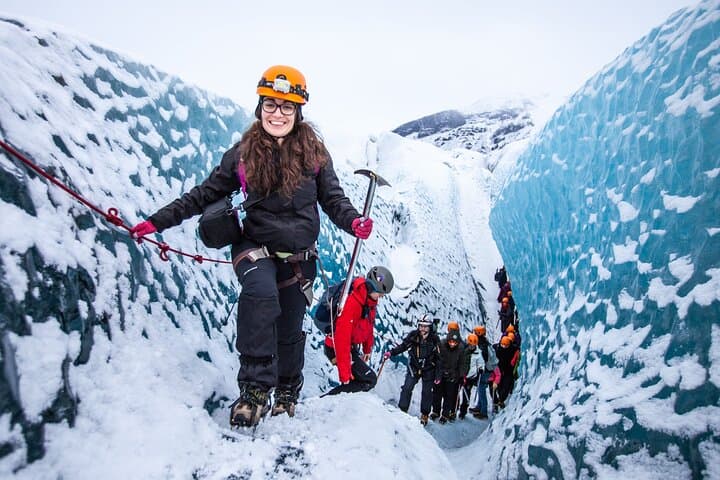
Beneath a sky of shifting light, Skaftafell’s ice reads like a map of time. This three-hour guided glacier hike mixes technical instruction with geology and culture: compact, safe, and unforgettable.
 Related story
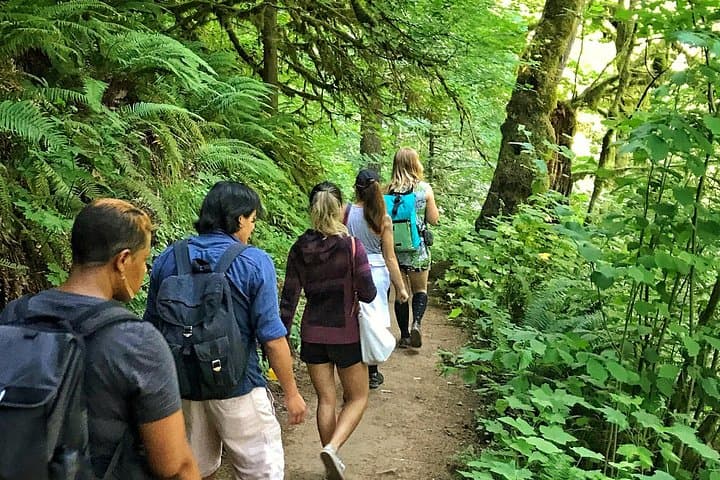
Lose the city for a few hours without leaving it: this 5-mile, 900-foot-gain Forest Park loop threads old-growth pockets, city viewpoints, and cultural landmarks for a compact taste of Portland’s wild side. Expect moss, roots, and stories.