
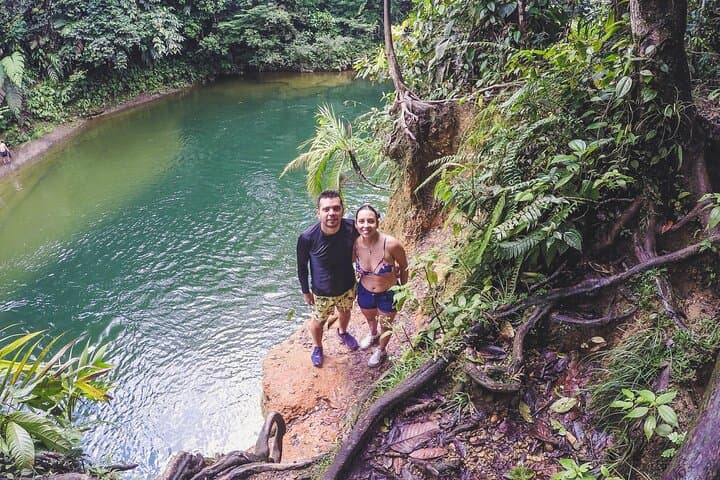
What the day feels like
When the tracks dip into the green, the jungle seems to lean in and listen. You climb onto a wooden “brujita” — a narrow, motorized rail cart that hums like an honest insect — and the world of asphalt and honking traffic dissolves behind you. The brujita rattles along a century-old rail, birds announce your passage, and minutes later the river arrives: glassy, cold, and insistent. It dares you to forget your phone and follow its channel downstream.
This is San Cipriano, a compact reserve in Valle del Cauca where rainforest grips both banks of a single-thread river that alternates between gentle pools and curtain-like falls. On a private, full-day tour from Cali you’ll get the kind of concentrated natural drama that, in bigger parks, takes weeks to find. The day is long—about 12 hours—so the pace is unhurried: a guided brujita ride, guided walks among broadleaf trees, swims in turquoise pools, and slow meals of coastal-influenced food prepared by local families. Your guide, a local woman with years in the area, threads together ecology, local livelihoods, and the stories of neighbors who have tended this river for generations. She’s not only a translator of place; she’s also your photographer—GoPro footage of the day is included at trip’s end.
Geology and history here are subtle but decisive. The river’s course follows a lowland channel cut into sediments washed from the Andean foothills; its bed alternates between gravel bars and carved basalt ledges, creating pockets of still water and sudden cascades. The tracks that bring you here were laid for coastal commerce a century ago, and the brujita is a grassroots response to changing transport needs—a hybrid of ingenuity and necessity that has become as much a symbol of the place as the river itself.
Culture is intimate and immediate. San Cipriano isn’t a postcard town; it’s a living community where fishing, small-scale agriculture, and guiding intersect. Meals on tour reflect that blend: fried fish, coconut rice, plantain, and simple salads seasoned with lime. The guide’s stories—about how neighbors use the river, which trails lead to prime swimming holes, and where to hear certain bird calls—are the local color that binds the day together.
For adventurous travelers this trip is ideal because it compresses variety into a single, manageable day. It’s not a technical canyon descent and it does not require climbing gear; instead, you’ll move between walking, resting, and swimming. That means it’s accessible to fit hikers and confident swimmers, and it scales for families or seasoned outdoorspeople looking for a well-curated taste of Colombia’s Pacific foothills.
Practical bottom line: the experience is private, guided, and curated—expect a full-day itinerary (about 12 hours), a private guide who documents the day with GoPro footage, and a rate beginning around $250 USD. You’ll likely meet in Cali and travel roughly 1–2 hours west by road, followed by the brujita ride into the reserve. Bring a sense of curiosity, footwear that can get wet, and the patience to move slowly; the river rewards time spent listening.
Timing matters. Visit in the drier months if swims and sunlit pools are your priority; during rainy shoulder seasons the river bulks up and the jungle becomes a green, wet cathedral—spectacular, but with fewer exposed ledges for lounging. Safety is straightforward but real: river currents can strengthen after rain and trails become slick. Your local guide reads these conditions and will route the day accordingly.
Why go? Because it’s compact, human, and alive. This is rainforest without marathon days, water that invites rather than intimidates, and a style of travel that privileges local knowledge over guidebook tropes. Even if you’ve seen waterfalls before, San Cipriano’s rhythmic combination of rail, river, and community produces an unmistakable cadence—a day where the landscape has a voice, and it’s speaking in clear sentences.
If you plan this trip, use it as a gateway. Stay a night in Cali to taste the city’s coffee culture and then head west; or pair San Cipriano with a longer Pacific coast itinerary to chase surf, whale sightings, or mangrove canoe trips. The tour’s inclusions—private guiding and photo documentation—make it a low-hassles way to experience rainforest river systems with the confidence that comes from traveling with people who live here.
At the end of the day you’ll have simple keepsakes: damp shoes, a memory of warm fried fish eaten under banana leaves, footage of a brujita streaking along sun-dappled rails, and the crisp image of a pool whose color seemed to challenge the sky. The river will push at the edges of your routine and invite you, briefly and insistently, to move at its own pace.
Trail wisdom
Small choices, better day.
Protect your feet on wet rocks
Wear closed, grippy water shoes for river pools and slippery trails to prevent slips and protect toes from rocky riverbeds.
Bring a dry pack
A waterproof dry bag keeps clothes, electronics, and snacks safe during river crossings and swims.
Hydrate and pace yourself
The day is long—carry at least 1.5–2 liters of water and eat regularly to avoid fatigue.
Listen to your guide
Local guides know the river’s moods; follow their route choices for the safest, most scenic experience.
Local knowledge
Read the place, not just the route.
Watch for native species including Howler monkeys, Kingfishers.
Keep an eye out for wildlife during the transition between areas and habitats. Respect distance guidelines.
San Cipriano’s small reserve is community-managed; tours support local livelihoods but visitors should stick to trails, avoid single-use plastic, and respect riverbank vegetation.
Follow the guide's instructions on size limits, ethical handling, and leave-no-trace practices.
A shallow upstream pool with a natural rock slide favored by locals. A small family-run riverside kitchen that serves coconut rice and freshly fried fish
Locally recommended viewpoints and quiet spots known best to local operators.
The area’s rails were built for coastal trade; locals adapted small motorized rail carts—brujitas—to maintain access when regular service waned.
Maritime roots and regional tradition shape the waterways and working coasts.
Seasonal guide
Four versions of the same landscape.
Spring
Best forLush jungle photography · Fewer tourists
ChallengesIntermittent rain · Slippery trails
Spring sees the jungle green up—good for vivid photos, but expect short rains that can change river conditions.
Summer
Best forWarmer, sunnier swims · Calmer river pools
ChallengesStronger sun in exposed sections · Higher visitor numbers on peak weekends
Summer tends to be drier and warmer—ideal for swimming and lounging on river ledges, but bring sun protection.
Fall
Best forDramatic river flows after rains · Birdwatching
ChallengesPotential muddy access roads · Stronger currents after heavy rain
Fall can deliver dramatic water levels and active wildlife; routes may be redirected when the river swells.
Winter
Best forQuiet trails · Overcast, diffused light for photography
ChallengesCooler water and sporadic downpours · Less predictable weather
Winter months are quieter; bring an extra dry layer and be prepared for sudden squalls.
Operator details
What the booking data adds.
Included
- ✓Private transportation
- ✓Travel insurance
- ✓Entrance to the Reserve
- ✓Photographic record
- ✓Float
- ✓Brujita Transport
- ✓Lunch
- ✓Jacket
Good to know
- ✓Infants and small children can ride in a pram or stroller
- ✓Not recommended for travelers with spinal injuries
- ✓Not recommended for pregnant travelers
- ✓Not recommended for travelers with poor cardiovascular health
- ✓Travelers should have at least a moderate level of physical fitness
- ✓Not recommended for travelers with knee problems
Pack with intention
What to bring.
Good to know
Common questions.
The tour is approximately 12 hours; it typically includes private guiding, transport from a designated meeting point in Cali, the brujita ride, meals prepared locally, and GoPro footage of the day.
Plan the edges
The details that make the day easier.
San Cipriano is famous for its 'brujitas'—small motorized rail carts used by locals to travel into the reserve along old railway tracks.
After the hike, look for riverside kitchens serving coconut rice and fried fish—flavors of Colombia’s Pacific coast. For more nightlife or varied dining, return to Cali’s San Antonio neighborhood for craft coffee and regional plates.
- Closest airport
- Alfonso Bonilla Aragón (CLO) in Cali; Driving distance from Cali: ~1–2 hours; Trailhead
- Access
- brujita entry point at San Cipriano village; Cell service: intermittent in the reserve; Permits
- Passes
- tour includes entrance fees—check operator for exact inclusions.
Tours support the local community and rely on healthy river systems—pack out all trash, avoid single-use plastics, and respect local customs to help preserve this fragile reserve.
Explore by topic
Follow the threads.
Keep exploring
Make the story part of the trip.
 Related story
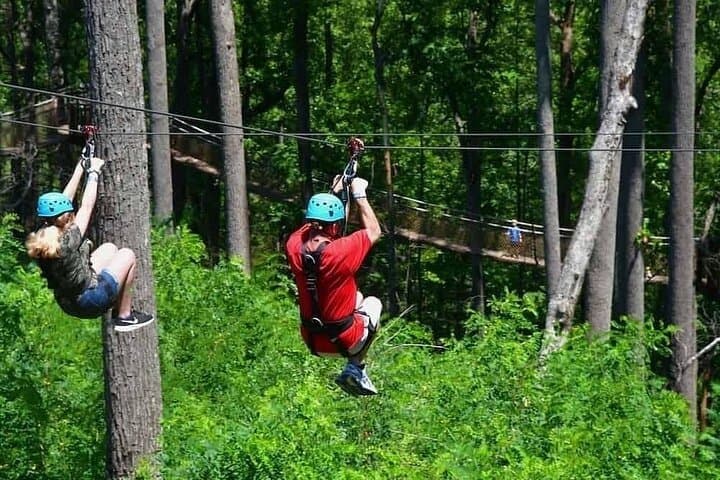
Less than two hours from Nairobi, Kereita Forest pairs hands-on canopy adventure with quiet montane trails and a sobering colonial history—perfect for families, teams, and curious travelers seeking a full-day pulse of nature.
Set out from Bass Harbor for a private, customizable day on Blue Hill Bay — lighthouses, puffins, seals, and the chance to feel Acadia from the water. Small groups, local captains, unforgettable views.
In four hours you can move from shaded canyon ferns to wind-scoured coastal ridgelines, guided by someone who knows where the light—and the hidden views—live. This private half-day hike on the Monterey Peninsula or Big Sur is compact, curated, and perfect for travelers who want depth without a multiday commitment.