
What the day feels like
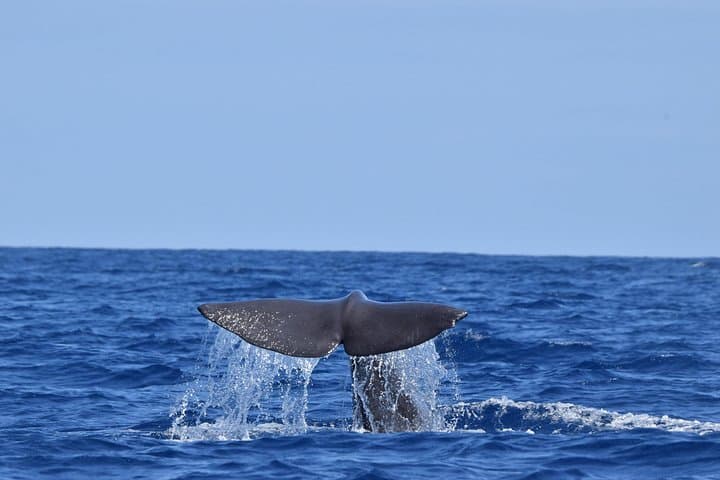
The bow parts the Atlantic like a page, white foam curling back as Velas drops from view. A brisk wind fills the canvas of the small open boat, carrying salt, diesel, and the unmistakable scent of a working island. Miguel, a São Jorge native, thumbs the engine and scans the horizon with the patient eye of someone who learned the sea before he learned city names. Rita, who grew up on the mainland and came to the islands chasing currents and research, passes around binoculars and a confidence that calms any passenger’s first fumble with seasickness tablets. For three hours, this duet of young biologists turns a short outing into a lesson in ocean life and local identity. The ocean doesn’t merely provide sights; it pushes dialogue. Dolphins dart ahead, as if to dare, and larger whales appear like slow exhalations—geologic time rendered in living muscle.
The Azores sit astride the Mid-Atlantic Ridge, a scatter of volcanic islands that rise from thousand-meter drop-offs. São Jorge, a slender island of steep cliffs and dramatic coastal plains known as fajãs, is a vertical story: farmland on terraces, volcanic basalt columns, and steep slopes that feed nutrients into deep water. Those nutrient-laden outflows attract squid and small fish, the baitfish that form the foundation of a food web leading to dolphins, pilot whales, and rarer beaked whales beyond the continental shelf. Historically these islands were stopovers for whalers; today the economy has pivoted to protection and science. That shift is clear aboard Miguel and Rita’s boat: National Park passion, not souvenir brochures.
What makes a three-hour trip here feel like an expedition is scale and solitude. Unlike mass-market whale-watching that crowds a few predictable hotspots, this team frequently explores lanes of ocean where other boats aren’t present, leaning on local knowledge and a field-science approach. Encounters are intimate—pods of common dolphins that slice through the wake, curious risso’s that hang in the swell, and, if the luck of the Azores is with you, a pair of sperm whales slipping up for air somewhere beyond sight. The guides explain behavior and anatomy between sightings: how dolphin echolocation reads the seabed, how pilot-whale social groups hold tight family bonds, and how changing ocean temperatures alter prey distribution. There’s a kind of humility to the experience; the sea keeps its own timetable, and the best you can do is be ready to listen.
For travelers, the appeal is straightforward: smart interpretation, small groups, and the thrill of real, unscripted wildlife viewing in crystalline blue water. For the more pragmatic, the trip is a tidy three-hour window—long enough to chase a worthwhile sighting, short enough to fit into a day of hiking São Jorge’s fajãs or sampling the legendary island cheese. Cost is modest relative to half-day charters elsewhere, and the guides’ background in marine biology turns a tour into a primer on conservation: why not to feed animals, how sound pollution affects marine life, and why local stewardship matters.
Practicalities are as important as poetry here. The boat is open and exposed; windproof layers and a good pair of shoes that grip wet decks matter more than fashion. Sea state decides the mood: glassy mornings favor surface activity and perfect reflections, while choppier conditions push dolphins to bow-riding and reduce the chance of seeing deeper-diving species. Book in the morning for the calmest waters, and bring motion-medicine if you suspect seasickness. Photography is rewarding—fast shutters and a long lens help—but the best shots often come after you lower expectations and watch behavior instead of framing it.
Beyond the waves, São Jorge rewards landward curiosity. On return, walk the harbor, try local lanches of freshly grilled fish, and seek out queijo de São Jorge in a family shop. The human story is woven into these marine encounters: generations who lived off the sea, the recent pivot to scientific monitoring, and a community that depends on clean waters to sustain both culture and income.
This three-hour whale and dolphin trip is not a guaranteed trophy sighting; that would be a lie. Instead it offers a different kind of certainty: time spent in an ocean environment managed with care, led by guides who read currents like maps, and punctuated by moments when wild animals choose to reveal themselves. For travelers who want a short, educational, and emotionally resonant encounter with Atlantic megafauna, it’s hard to imagine a better way to spend a morning on São Jorge.
Trail wisdom
Small choices, better day.
Go early for calm seas
Morning departures usually have smoother water and better light for photography and animal activity.
Pack seasickness remedies
Even short trips can be rough for sensitive travelers; take medication or wear pressure bands before boarding.
Layer for wind
An insulating mid-layer and a windproof shell make a big difference on the open deck.
Listen to the guides
Miguel and Rita are trained biologists—follow their instructions for safe approach and ethical viewing.
Local knowledge
Read the place, not just the route.
Watch for native species including Common dolphin, Sperm whale (seasonal).
Keep an eye out for wildlife during the transition between areas and habitats. Respect distance guidelines.
Operators on São Jorge emphasize responsible viewing distances, no feeding, and data collection to support regional cetacean research.
Follow the guide's instructions on size limits, ethical handling, and leave-no-trace practices.
Fajã dos Vimes coffee plantations for an island espresso. Quiet viewpoint at Miradouro da Fajã de São João for cliff-and-ocean panoramas
Locally recommended viewpoints and quiet spots known best to local operators.
São Jorge shifted from a subsistence whaling economy in the 19th and early 20th centuries to modern conservation and eco-tourism, with local knowledge now informing scientific monitoring.
Maritime roots and regional tradition shape the waterways and working coasts.
Seasonal guide
Four versions of the same landscape.
Spring
Best forMigratory species · Milder crowds
ChallengesUnpredictable weather · Cooler water temperatures
Spring brings migratory cetaceans and fewer boats, but expect variable weather and the occasional windy day.
Summer
Best forCalmer seas · Higher sighting rates
ChallengesMore tourists · Hot sun on deck
Summer yields the calmest seas and frequent sightings; book early and bring sun protection.
Fall
Best forStrong feeding activity · Fewer crowds
ChallengesIncreasing storms · Shorter days
Autumn can concentrate prey and attract larger species, though weather windows shorten.
Winter
Best forOff-season solitude · Storm-watching
ChallengesRougher seas · Fewer departures
Winter is quieter and wild, but trips are more dependent on weather and may be canceled.
Pack with intention
What to bring.
Good to know
Common questions.
The excursion is approximately three hours from departure to return.
Plan the edges
The details that make the day easier.
The Azores are one of the richest pelagic regions in Europe, hosting over 20 recorded species of cetaceans—an unusually high diversity for an island chain of its size.
After the boat, head to Velas for grilled limpets or fresh-caught fish, then sample queijo de São Jorge at a local tavern; for coffee, find a small café near Fajã dos Vimes.
- Closest airport
- São Jorge Airport (SJZ); Typical meeting point: Velas harbor; Driving from Velas center: 5–15 minutes to common departure points; Cell service: Generally available near towns but patchy at sea; Permits: None required for tourists—follow guide instructions for protected species.
Tours focus on non-invasive observation and local data collection; avoid single-use plastics, respect animal distance rules, and consider donating to local marine research programs.
Explore by topic
Follow the threads.
Keep exploring
Make the story part of the trip.
 Related story
Less than two hours from Nairobi, Kereita Forest pairs hands-on canopy adventure with quiet montane trails and a sobering colonial history—perfect for families, teams, and curious travelers seeking a full-day pulse of nature.
Set out from Bass Harbor for a private, customizable day on Blue Hill Bay — lighthouses, puffins, seals, and the chance to feel Acadia from the water. Small groups, local captains, unforgettable views.
In four hours you can move from shaded canyon ferns to wind-scoured coastal ridgelines, guided by someone who knows where the light—and the hidden views—live. This private half-day hike on the Monterey Peninsula or Big Sur is compact, curated, and perfect for travelers who want depth without a multiday commitment.