
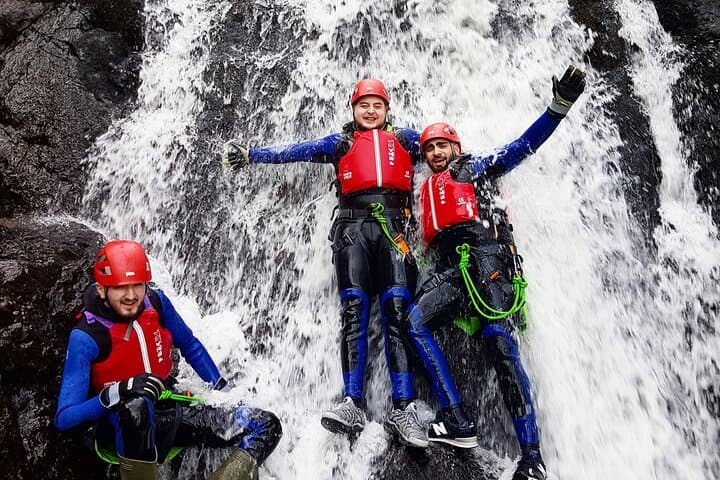
What the day feels like
The first step is a wet one. Cold water curls around your ankle and then your calf, and the gorge answers with a low, constant roar as it funnels sky into stone. Light filters down through a canopy of moss-draped branches; droplets hang like beads on ferns and cling to braided ropes as the guide checks knots. For three hours you’ll trade the tidy certainties of a trail for a route defined by boulders, pools and waterfalls — a temperate rainforest that dares you to keep moving.
This is gorge scrambling in Snowdonia: less about ticking a summit and more about negotiating the vertical currents of a place shaped by ice, rain and time. The activity on offer here is compact — a focused, guided introduction to canyoning and scrambling that will take you in and out of shallow plunge pools, under slabs of slate and over mossy steps carved by centuries of rushing water. It’s the kind of adventure that pulls you into the geology and history of a place: the gorges of Snowdonia were grottoes of glacial meltwater and later became conduits for mountain streams, their narrow walls smoothed and scored by movement. The result is a labyrinth of rock and vegetation that manages to feel both ancient and immediate.
Snowdonia — Eryri in Welsh — wears its weather openly. Rain is part of the terrain here rather than an inconvenience; the wet season turns cliffs fluorescent green and makes every cascade more musical. Locals will tell you the area’s microclimates create a patchwork of ecosystems — bracken and heather giving way to alder and moss in the gorge bottoms. Cultural ties run deep: these valleys were once worked by slate miners and shepherds, and you’ll sometimes see the roofline of a ruined quarry or the low walls of a centuries-old sheepfold, both reminders that people have long adapted to and relied on these landscapes.
Why book this trip? For one, it’s accessible. The published duration is three hours — long enough to feel like an outing but short enough to fit into a day that could also include a coastal detour or a pub supper in the nearest village. The flow of obstacles — jumps (optional), slides, scrambles and low crawls — gives a continuous, engaging sequence of physical problems to solve without requiring technical climbing qualifications. It’s family-friendly (under-18s must be accompanied), and the moderate pace makes it a strong introduction to canyoning for anyone curious about moving off trail and into water-carved terrain.
Practicalities matter here: the company lists instant confirmation and free cancellation, and the price sits in the moderate range for guided outdoor activities (from USD 108.88). Expect a small-group dynamic, instruction from guides who read both the water and the people, and an emphasis on safety. Most providers in Snowdonia will outfit you with wetsuits and helmets, but check your booking notes to confirm what’s included so you can bring the right footwear and a dry bag for your phone.
The route’s technical demands are intentionally limited — there are no long abseils in this standard offering and professional guides lead every section — but physical demands are real: the gorge asks for balance, a willingness to get wet, and the ability to pull yourself up and over slippery boulders. The reward is immediate: narrow slots where light breaks like a theatrical cue, natural slides that launch you into cold clear pools, and views up to the ridgelines that hold Snowdonia’s high summits.
For gear, think layers and rubber soles. Waterproof dry bags, an extra warm layer for post-gorge, and good river shoes will make the experience smoother. Timing can make or break it: aim for late spring through early autumn for the most reliable conditions, but be prepared for sudden weather shifts — Snowdonia’s climate moves fast.
Beyond the scramble, the area offers tidy cultural wrap-arounds. Betws-y-Coed and Llanberis make sensible bases — small towns with hearty pubs and cafes offering Welsh staples like cawl (a lamb and vegetable broth), bara brith (a speckled tea loaf), and local ales. These places give the activity its context: a mountain community shaped by weather, slate and river. Conservation-minded travelers will notice local efforts to manage footfall on fragile moss and lichen, and guides emphasize low-impact practices on every outing.
If you’re new to canyoning, this is a good first step: a safe, supervised taste of moving with water rather than around it. If you’re already experienced, it’s a reminder that the most memorable adventures are often intimate ones — compressed, technical and rich with geological personality.
Book with a bit of flexibility, pack for wet conditions, and leave a little extra time afterward for warming up with a hot meal in a nearby village. When you climb out of the gorge, dripping and grinning, the memory you’ll take home isn’t only of a cold pool or a tricky scramble — it’s of a landscape that compels you to move differently, to think in terms of currents and holds rather than distances and altitude. In Snowdonia, the land is an active partner, and on a gorge scramble it’s the kind of partner that will keep you honest — and exhilarated.
Trail wisdom
Small choices, better day.
Expect to Get Wet
Wetsuits are commonly provided but bring quick-dry base layers and a spare change of clothes for after the activity.
Footwear Matters
Use closed-toe river or approach shoes with good grip — thin-soled hiking boots hold less on wet rock.
Arrive Energized
The session is short but physically continuous; eat a light meal beforehand and carry a small water bottle.
Trust the Guide
Follow route choices and safety briefings — guides know where currents and hidden drops hide.
Local knowledge
Read the place, not just the route.
Watch for native species including Dipper (river bird), Red squirrel.
Keep an eye out for wildlife during the transition between areas and habitats. Respect distance guidelines.
Operators work within the national park’s guidelines to minimize erosion and disturbance — stick to guides’ routes and avoid trampling moss and lichens.
Follow the guide's instructions on size limits, ethical handling, and leave-no-trace practices.
Small, potholed pools upstream where light refracts like stained glass. A short post-activity walk to an old slate ruin that frames the valley
Locally recommended viewpoints and quiet spots known best to local operators.
Many Snowdonia gorges run through landscapes shaped by slate quarrying and pastoral farming, with stone walls and ruined mining buildings dotting valley sides.
Maritime roots and regional tradition shape the waterways and working coasts.
Seasonal guide
Four versions of the same landscape.
Spring
Best forLush greenery · Lower visitor numbers
ChallengesHigher water flows · Cooler temperatures
Spring brings vivid moss and stronger streams; expect colder water and potentially faster currents after rain or snowmelt.
Summer
Best forWarmer air · Stable conditions
ChallengesBusy weekends · Sunburn between gorges
Summer offers the gentlest temperatures and the most predictable weather windows, but book early for peak summer slots.
Fall
Best forAutumn colors · Fewer crowds
ChallengesRapid weather shifts · Shorter daylight
Fall can be spectacular as foliage darkens; be prepared for sudden showers and dress in insulating layers for post-activity comfort.
Winter
Best forDramatic waterfalls · Seasonal solitude
ChallengesVery cold water · Potential closures
Winter sessions are tougher and often limited; only experienced operators run trips and additional thermal protection is required.
Operator details
What the booking data adds.
Included
- ✓Activity Guide
- ✓5mm Wetsuits with Hood (optional), Wetsuit Socks, Wetsuit Vest (autumn, winter), Harness, Helmet, Buoyancy Aid (if required), Photos & Videos for FREE, Water/ Coca Cola/ Beer and Cake for afterwards
Not included
- —Private transportation
Good to know
- ✓Not recommended for pregnant travelers
- ✓Travelers should have at least a moderate level of physical fitness
Pack with intention
What to bring.
Good to know
Common questions.
The guided activity lasts approximately three hours from safety briefing to finish — plan for extra time to suit up and change.
Plan the edges
The details that make the day easier.
Snowdon (Yr Wyddfa) is the highest peak in Wales at 1,085 meters (3,560 feet), and Snowdonia National Park was designated in 1951.
After your scramble, head to Betws-y-Coed or Llanberis for hearty Welsh fare — cawl, local ales and bakeries selling bara brith — and warm up in rustic pubs where locals share mountain stories.
- Closest major airports
- Manchester (MAN) or Liverpool (LPL); meeting points typically near Betws-y-Coed or Llanberis with 15–45 minute drives to gorges; cell service can be patchy in gorge bottoms; no permits required for this guided commercial activity — operator provides booking confirmation and safety briefing.
This activity runs inside Snowdonia National Park — stick to guide-led lines, avoid disturbing riverbanks and pack out all trash to protect delicate moss and lichen communities.
Explore by topic
Follow the threads.
Keep exploring
Make the story part of the trip.
Set out from Bass Harbor for a private, customizable day on Blue Hill Bay — lighthouses, puffins, seals, and the chance to feel Acadia from the water. Small groups, local captains, unforgettable views.
In four hours you can move from shaded canyon ferns to wind-scoured coastal ridgelines, guided by someone who knows where the light—and the hidden views—live. This private half-day hike on the Monterey Peninsula or Big Sur is compact, curated, and perfect for travelers who want depth without a multiday commitment.
 Related story
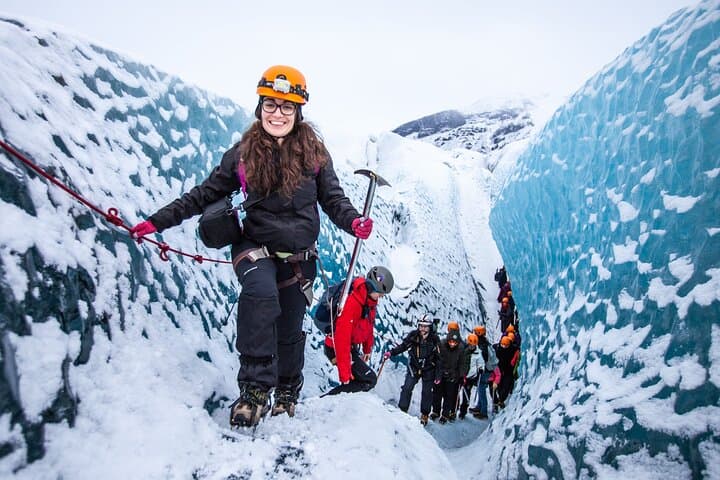
Beneath a sky of shifting light, Skaftafell’s ice reads like a map of time. This three-hour guided glacier hike mixes technical instruction with geology and culture: compact, safe, and unforgettable.