
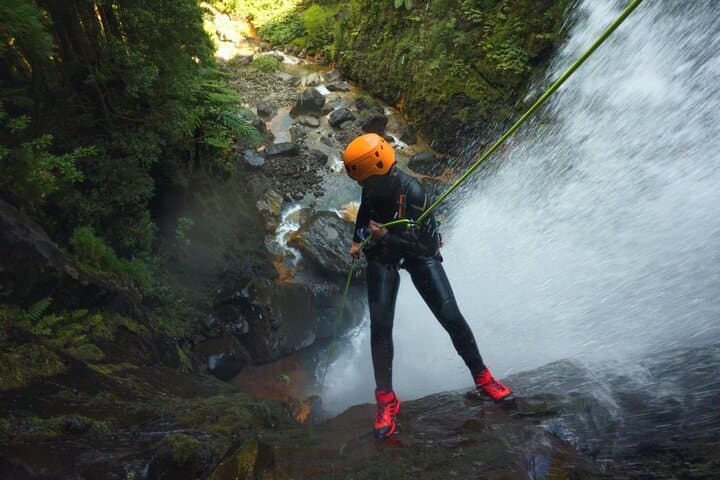
What the day feels like
You step off the basalt lip and the canyon immediately takes over. Cold Atlantic-fed water threads between stepped black rock, snags at your ankles, then pulls you into a plunge pool that seems to have been carved by an artist with a blunt chisel. The guide counts down, you push off, and for a handful of heartbeats the world narrows to wind in your ears and the slap of water around your legs. This is Lombadas: raw, compact, and mercilessly beautiful.
Lombadas sits on São Miguel, the largest of the Azores, where volcanic geology and Atlantic weather conspire to create steep ravines and sudden waterfalls. The canyon is a patched history of lava flows, lahar deposits, and persistent streams that have gnawed their way through basalt for millennia. That geological tension is the defining character of a Level 3 wild canyoning route: expect vertical drops, natural slides, deep pools, and technical sections that demand attention.
Culturally, the Azores have always been a place of small communities living with big nature. In the 19th and 20th centuries, islanders carved agricultural terraces, roads, and waterworks out of the same volcanic rock that now frames the canyon. Lombadas is not a manicured adventure park; it is a working landscape layered with human and geological history. Guides will often mention how locals used to cross these ravines to reach pastures and freshwater springs, and you can feel that continuity when you clip in and descend through the same features.
The itinerary here is compact and intense: roughly three hours on-route, with approach, safety briefing, and a series of abseils, jumps, and swims. It is designed for adventurers who want to feel the immediate payoff of adrenaline without a full-day commitment. You will move as a team under guide supervision, swapping between deliberate ropework and unconcerned floating as the canyon permits. The water is a daring element in its own right; currents and pools will push you forward and occasionally force a course correction. That interplay between control and surrender is the core pleasure of canyoning.
Why do this trip? Lombadas delivers verdant cliffs, clean plunge pools, and the sort of raw exposure that city life rarely offers. For three hours you are negotiating terrain that is both tactile and cinematic: slick rock, mossy ledges, and apertures where light finds the water. The route feels intimate—you are inside the land rather than looking at it—and the physicality of the descent makes triumph immediate and nonnegotiable.
Practical context: the experience is marketed as Level 3 wild canyoning, meaning operators expect participants to be comfortable with jumping heights of varied size, basic abseiling with a guide, and swimming in cold water. The tour typically starts near rural Lombadas and finishes back at the meeting point where drying clothes, hot drinks, and a debrief await. Operators provide technical gear and instruction, but personal preparation matters: footwear with good traction, a head for heights, and a baseline of fitness will let you focus on the fun.
Safety and sustainability are front and center. The Azores receive more than their share of Atlantic weather, so water levels can rise quickly. Guides monitor conditions closely, and itineraries are adjusted or canceled if needed. The land itself is fragile: mosses hold moisture on cliff faces and nesting birds use ledges. Good riders of wild space leave no trace—your presence should have as small a footprint as possible.
How to fit Lombadas into a São Miguel trip: base in Ponta Delgada for easy airport access and more dining options, or stay in the northeastern hamlets to wake near the canyon. A morning slot has several advantages: lower tourist traffic across the island, calmer conditions, and slanting light that softens the canyon interior for photos. After the run, indulge in island food—fresh fish, grilled limpets, and the volcanic coffee of small cafés—because the contrast between a wet harness and a warm plate is part of the story.
For travelers who want more than adrenaline, the canyon sits within a broader landscape of geothermal sites, crater lakes, and coastal lookouts. Pair your canyoning day with an easy coastal hike, a visit to tea and pineapple greenhouses, or a soak next to a volcanic hot spring. Lombadas is not an isolated thrill; it is a component in an island that rewards curiosity beyond a single descent.
If you decide to do it, come prepared and curious. Let the canyon demand your attention without losing the pleasure of it. Wear gear correctly, listen to your guide, and give yourself a little extra time afterward to bask in that post-adventure quiet. In Lombadas, the rock has patience—take a beat to return it.
Practical snapshot: the operator lists a three-hour duration with instant confirmation and free cancellation. Price reflects a guided, small-group experience with technical gear provided. This is the sort of half-day adventure you can wedge into a week of island exploration and still feel like you found the heart of São Miguel.
Trail wisdom
Small choices, better day.
Start Early
Morning departures often mean calmer water and softer light for photos; aim for the earliest slot if you can.
Footwear Matters
Wear grippy, closed-toe shoes with good tread; canyoning involves slick basalt and unpredictable footing.
Hydrate Beforehand
Cold water can mask exertion—drink a full bottle before you suit up to avoid fatigue during climbs.
Respect Guide Calls
Follow rope and jump instructions exactly; guides are reading current, water depth, and exit routes you cannot see.
Local knowledge
Read the place, not just the route.
Watch for native species including Common tern and other seabirds, European rabbit around pastureland.
Keep an eye out for wildlife during the transition between areas and habitats. Respect distance guidelines.
Stick to guide-designated paths and avoid trampling mosses and cliffside vegetation; pack out all waste and refrain from altering natural rock features.
Follow the guide's instructions on size limits, ethical handling, and leave-no-trace practices.
Small coastal lookouts near Nordeste for sunset views. Pineapple and tea greenhouses in the island interior
Locally recommended viewpoints and quiet spots known best to local operators.
São Miguel's canyons are carved through successive volcanic events and centuries of freshwater erosion, shaping routes that islanders historically used for travel between pastures and fields.
Maritime roots and regional tradition shape the waterways and working coasts.
Seasonal guide
Four versions of the same landscape.
Spring
Best forfewer crowds · lush canyon vegetation
Challengesvariable rainfall · cooler water temperatures
Spring brings bright green moss and active streams; be prepared for cool water and the chance of rain.
Summer
Best forwarmer waters · stable weather
Challengesmore visitors · higher demand for bookings
Summer is the most reliable season for calmer conditions and pleasant water temperatures, but book ahead.
Fall
Best fordramatic light · fewer tourists
Challengesincreased Atlantic storms · chilly evenings
Autumn offers moodier skies and quieter trails; operators may re-route depending on storms.
Winter
Best forlone-wild experience · robust guide protocols
Challengescold water · higher rainfall and runoff
Winter canyoning is possible with an experienced operator, but expect colder water and more rapidly changing conditions.
Operator details
What the booking data adds.
Included
- ✓Photos and videos of the activity included.
- ✓Certificate Canyoning Guide
- ✓All necessary equipment: Wetsuit, shoes, socks, harness and helmet.
- ✓Insurance.
Good to know
- ✓Infants are required to sit on an adult’s lap
- ✓Not recommended for travelers with spinal injuries
- ✓Not recommended for pregnant travelers
- ✓Not recommended for travelers with poor cardiovascular health
- ✓Travelers should have at least a moderate level of physical fitness
Pack with intention
What to bring.
Good to know
Common questions.
No previous canyoning experience is required for this guided Level 3 route, but you should be comfortable with heights, basic ropework instruction, and swimming in cold water.
Plan the edges
The details that make the day easier.
The Azores lie along the Mid-Atlantic Ridge, making São Miguel a landscape shaped by active volcanism and tectonic uplift.
After the descent, head back toward Ponta Delgada for grilled seafood and local cheeses; sample lapas (grilled limpets) or try a hearty cozido if you visit Furnas on the same trip to taste a stew cooked in volcanic heat.
- Closest airport
- João Paulo II (PDL) in Ponta Delgada; Driving time to Lombadas: ~50–70 minutes from Ponta Delgada depending on route; Cell service: spotty inside the canyon and along rural roads; Permits: none typically required — book with a licensed operator.
This canyon is part of a sensitive volcanic watershed; minimize impact by staying on designated routes, using established entry/exit points, and packing out all trash.
Explore by topic
Follow the threads.
Keep exploring
Make the story part of the trip.
In four hours you can move from shaded canyon ferns to wind-scoured coastal ridgelines, guided by someone who knows where the light—and the hidden views—live. This private half-day hike on the Monterey Peninsula or Big Sur is compact, curated, and perfect for travelers who want depth without a multiday commitment.
 Related story
Beneath a sky of shifting light, Skaftafell’s ice reads like a map of time. This three-hour guided glacier hike mixes technical instruction with geology and culture: compact, safe, and unforgettable.
 Related story
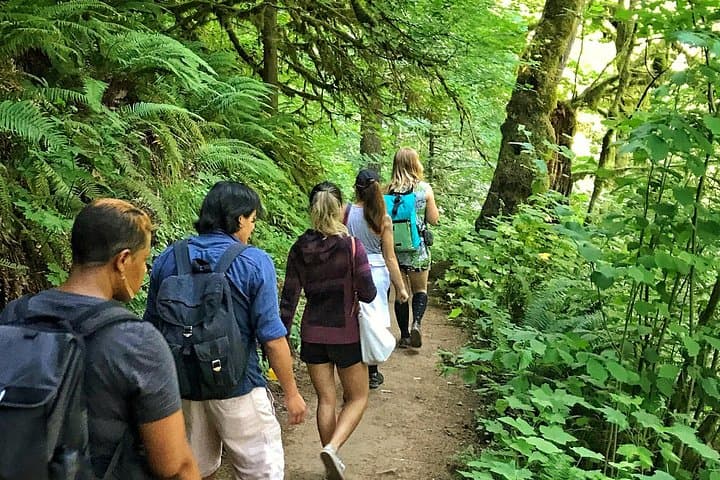
Lose the city for a few hours without leaving it: this 5-mile, 900-foot-gain Forest Park loop threads old-growth pockets, city viewpoints, and cultural landmarks for a compact taste of Portland’s wild side. Expect moss, roots, and stories.