
What the day feels like
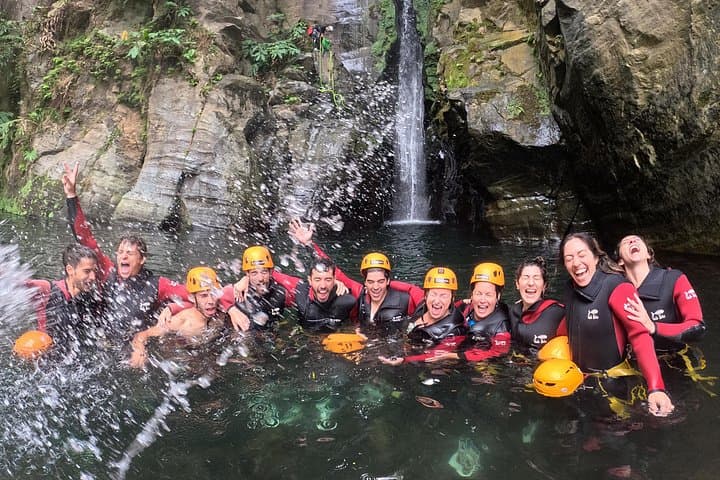
The canyon narrows before you expect it to. Granite walls, slick with mist and moss, draw closer until the sky is a strip of pale blue and the river roars like a story you’ve only half-remembered. When you step off the first ledge—the water daring you, the current waiting—you become part of that noise, a brief bright thing moving through a place that has, for centuries, been carved and kept by water.
Salto do Cabrito sits on São Miguel, the largest island in the Azores archipelago. The island’s volcanic bones—layers of ash, basalt, and pumice—frame every waterfall and ravine here, and Cabrito’s gorge is a concise lesson in that geology: lava flows channeled into river courses, cooled into cliffs, and then hollowed by centuries of rain and melt. The canyoning tour most operators offer is a four-hour, guided passage through that history. It’s part whitewater playground, part technical descent: rappels, natural slides, and jumps punctuate stretches of careful river scrambling and quiet pools where you can hear the island think.
Culturally, São Miguel is stitched with a pastoral rhythm—tea plantations, small farms, and seaside villages that stare down the Atlantic. Salto do Cabrito sits inland from Ponta Delgada and Ribeira Grande, in a landscape locals have long used for timber, spring harvesting, and hydropower. Today the gorge is a shared public geometry of river and rock, and a measured ecotourism draw that supports local guides who grew up reading these ravines like maps.
Why canyoning here? The Azores’ volcanic terrain produces canyons that feel intimate: steep, green, moss-laced. Water temperatures are brisk but manageable; flows are lively without being punishing outside of storm events. What you’ll remember afterward is the cadence—the nervous laugh before a jump, the silent squeeze of a rappel against a granite face, the cold slap of the river as it moves you forward. Guides thread the route: choosing lines, placing anchors, and pointing out the small things—barnacled rocks, fern colonies, a faint basalt band that marks an older eruption.
Practicalities are straightforward. Tours run about four hours door-to-door and typically include instruction, safety equipment, and a guide ratio that keeps groups small. Physically, expect a workout that mixes hiking fitness with short bursts of upper-body work—pulling yourself up, controlling a descent, or hauling across a current. Terrain shifts constantly: mossy riverbanks, slick boulders, and narrow ledges that demand careful footwork. This is not a scenic stroll; it is active, sometimes exposed, and deeply satisfying.
Timing matters. Spring runoff brings higher flows and a more dramatic canyon; summer delivers warmer air and calmer paddles between rappels. Autumn’s light is the most photographic, while winter can push conditions into a more technical realm and is best attempted only with experienced operators and steady weather.
If you’re planning this trip: book with a reputable outfitter that emphasizes safety and local knowledge. Confirm what’s included—wetsuit, helmet, harness, and transport—and pack light layers, a quick-dry base layer, and shoes that grip wet rock. Bring a small dry bag for essentials and a charged phone in a waterproof case for the ride back. Afterward, reward yourself with a meal of local cozido or a seafood plate in a nearby village, and a beer while you dry out and replay favorite falls.
For the practical traveler: expect a moderate technical experience. The route’s pitches are varied but approachable for anyone who can handle a four-hour window of activity, some exposure to heights, and cold water. Guides are there to coach rope technique and jump progressions; the stress resistance is more mental than purely physical. If you’re used to hiking over uneven alpine terrain, you’ll adapt quickly—if you’re newer to exposed heights, be honest with your guide so they can tailor the experience.
Beyond the adrenaline, Salto do Cabrito offers quieter rewards: rivulets of endemic plants clinging to basalt ledges, the way cloud and sea-spray combine to keep the canyon’s moss a brilliant jade, and the tiny communities around São Miguel who welcome visitors without the island feeling curated to tourism. A trip down Cabrito is as much a clean, wet lesson in geology as it is an afternoon of controlled risk and big smiles.
Whether you’re a canyoning regular or someone looking to trade a beach day for a wet, loud, and precise mountain experience, Salto do Cabrito delivers a compact, memorable version of what makes the Azores special: volcanic force made accessible, wrapped in green, and guided with local calm. Book a sensible morning slot, bring a sense of curiosity, and let the gorge do the rest.
Trail wisdom
Small choices, better day.
Confirm included gear
Most tours provide harnesses, helmets, and wetsuits—double-check so you can pack only what’s needed.
Choose morning departures
Flows are often calmer and visibility better earlier in the day; afternoons can bring more wind and clouds.
Wear grippy footwear
River shoes or sturdy trail shoes with good tread will keep you steady on slick basalt and mossy ledges.
Tell guides your experience level
Guides can scale challenges up or down—be upfront about comfort with heights and cold water.
Local knowledge
Read the place, not just the route.
Watch for native species including Common Kingfisher, Azores freshwater shrimp.
Keep an eye out for wildlife during the transition between areas and habitats. Respect distance guidelines.
Respect riparian vegetation and avoid trampling moss and ferns; local guides promote leave-no-trace principles and many operators contribute to reforestation and river clean-up efforts.
Follow the guide's instructions on size limits, ethical handling, and leave-no-trace practices.
Poça da Ferida—natural pools near the canyon worth a quiet dip. Tea plantations north of Ribeira Grande for a post-trip walk and local tea tasting
Locally recommended viewpoints and quiet spots known best to local operators.
The Azores formed through volcanic activity over millions of years; freshwater corridors like Cabrito helped shape early settlement patterns and powered small water mills.
Maritime roots and regional tradition shape the waterways and working coasts.
Seasonal guide
Four versions of the same landscape.
Spring
Best forHigh-flow scenery · Wildflowers and moss · Dramatic photos
ChallengesHigher water volumes · Cooler temperatures
Spring brings dramatic water flow and lush green canyon walls—expect colder water and more technical lines.
Summer
Best forWarmer air temperatures · Calmer water windows · Longer daylight
ChallengesOccasional low flows · More visitors
Summer offers the most comfortable temperatures and predictable conditions—ideal for first-timers.
Fall
Best forRich light for photography · Fewer crowds · Pleasant temperatures
ChallengesUnpredictable rain events · Variable flows
Autumn’s golden light and quieter trails make it a favorite season, though weather can change quickly.
Winter
Best forRaw, powerful water flows · Off-season solitude
ChallengesCold water and air · Potentially hazardous flows
Winter is for experienced adventurers and seasoned guides; expect the most technical and powerful water conditions.
Operator details
What the booking data adds.
Included
- ✓Acreddited guides;
- ✓Insurances;
- ✓All Canyoning equipment (fully equipped harness, wetsuits, socks, helmet and boots);
- ✓Photos / Videos;
Not included
- —Pick-up and Drop-off (unless respective option is chosen).
Good to know
- ✓Public transportation options are available nearby
- ✓Not recommended for travelers with spinal injuries
- ✓Not recommended for pregnant travelers
- ✓Not recommended for travelers with poor cardiovascular health
- ✓Travelers should have at least a moderate level of physical fitness
- ✓Children must be accompanied by an adult.
- ✓Remember to wear swimwear and comfortable clothes and shoes.
- ✓Bring your individual beach towel, water bottle, and hair elastic (if applicable).
- ✓Shoe size* (*please inform woman or man and US, UK or E.U size)- kindly indicate it under :"Special Requirements" on the checkout page
Pack with intention
What to bring.
Good to know
Common questions.
No—most tours are designed for beginners and include instruction, though you should be comfortable in water and with moderate exposure.
Plan the edges
The details that make the day easier.
São Miguel is home to fumaroles and thermal springs; the island’s geothermal activity also led to the development of unique tea plantations—the only ones in continental Europe—nearby.
After the canyon, head to Ribeira Grande or Ponta Delgada for freshly caught seafood and a glass of local Azorean wine; try a traditional cozido cooked in volcanic steam or visit a local tea plantation for a cool, green finish to the day.
- trailhead
- Ponta Delgada (PDL)
- short drive to meeting point; Driving distance from Ponta Delgada
- ~30–45 minutes depending on operator; Cell service: intermittent in the canyon—expect full service near towns; Permits: none usually required for guided canyoning, but check with your tour operator.
Support operators who follow leave-no-trace practices, avoid single-use plastics, and participate in river conservation; stay on established access routes to protect fragile riparian vegetation.
Explore by topic
Follow the threads.
Keep exploring
Make the story part of the trip.
In four hours you can move from shaded canyon ferns to wind-scoured coastal ridgelines, guided by someone who knows where the light—and the hidden views—live. This private half-day hike on the Monterey Peninsula or Big Sur is compact, curated, and perfect for travelers who want depth without a multiday commitment.
 Related story
Beneath a sky of shifting light, Skaftafell’s ice reads like a map of time. This three-hour guided glacier hike mixes technical instruction with geology and culture: compact, safe, and unforgettable.
 Related story
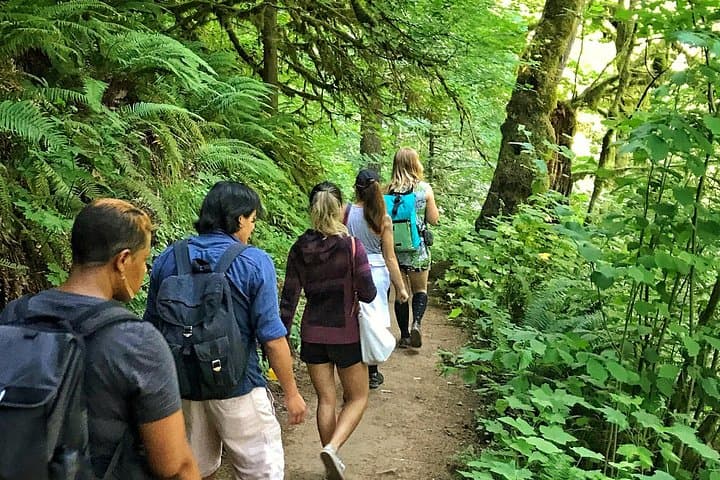
Lose the city for a few hours without leaving it: this 5-mile, 900-foot-gain Forest Park loop threads old-growth pockets, city viewpoints, and cultural landmarks for a compact taste of Portland’s wild side. Expect moss, roots, and stories.