
What the day feels like
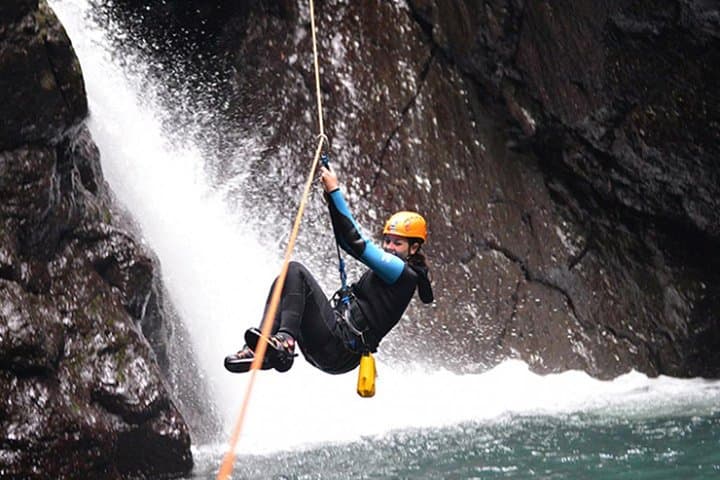
You step off a slippery basalt lip into a green pool and the canyon exhales. Water runs like a hidden current of the island, pulling you down a narrow corridor of volcanic rock while light strips itself through ferns and thin waterfalls. Above, the cliff narrows to a slit of sky; hundreds of bats wheel like punctuation marks, their wings casting a living shadow over your head. This is Aling Gorges, a place that asks for forward motion — you move because the canyon asks it of you, and because the only easy part is still ahead: the next jump.
Aling Gorges sits in Bali’s interior, a slot canyon formed by centuries of lava flow and the patient carving of mountain runoff. The gorge’s steep volcanic walls are raw and sharp, scalloped by erosion and slick with moss. Pools collect crystal-clear rainwater, and the canyon’s rhythm is a mix of swims, rappels and technical jumps that make the route feel more like an active expedition than a guided stroll. Local guides describe it as part exploration, part playground: plenty of adrenaline, but with a strong emphasis on technique and safety.
This canyon sits within a cultural landscape layered with rice terraces, roadside warungs and villages that still practice Balinese Hindu rites. The same volcanic forces that shaped the gorge created the island’s famous rice bowls and sacred mountains. For many local guides, canyoning is a way to share a private, wild corner of Bali with visitors while bringing steady income to families outside Ubud’s tourist center. Respect for land and water is woven into the experience: you’ll see small shrines at trailheads and hear stories about the spirits of river places.
The geology is straightforward to read on the skin of the canyon: flows of hardened basalt, interbedded with ash layers from repeated eruptions, create vertical faces perfect for rappels. Rain and small tributaries have cut the narrow channels over millennia, creating natural pools and leap points. From a practical perspective, that means sections can be technical — expect slippery, uneven rock and water-chilled pools especially in the wet season.
If you’re drawn to Aling Gorges, go for the combination of hands-on movement and wild scenery. This is not a passive waterfall viewing; it’s a five-hour, sporty descent that asks for stamina, swimming ability and a willingness to let the guides rig ropes through narrow walls. The famous "Bat Cave" section is a highlight: a cool, echoing chamber where bats hang like fringe and where your headlamp beam becomes part of the show. Guides use fixed anchors and modern canyoning gear, and routes vary by water level and group ability. Because the canyon is actively managed by local operators, it’s possible to book a guided, full-day descent with transfers from Ubud.
Practical notes: the activity usually runs about five hours, with an overall commitment of a half- to full-day when you include transfers. Wear a snug wetsuit or quick-drying layers, sturdy canyoning shoes (or old trail runners that can get wet) and a helmet; your guides will supply ropes, harnesses and a safety briefing. Timing matters—during Bali’s dry season (roughly April through October) water levels are lower and many jump options open up. During the monsoon, currents strengthen and guides often adapt the route. Hydration and sun protection for the transfers and trailhead approach are just as important as your swim comfort in the pools.
For photographers, the canyon rewards patience and preparation. Shoot wide to capture the scale of the cliffs, and keep settings fast to freeze splashes; a compact waterproof camera or action cam on a chest mount is often the most practical setup. Respect the guides’ safety briefings — the best photos come when you’re focused on moving cleanly through the route.
How to get there: most people base themselves in Ubud, where local operators will pick you up early and drive you into the hills. The nearest major airport is Ngurah Rai International (Denpasar), roughly a 1–1.5 hour drive to Ubud, then another 30–60 minutes into the canyon depending on traffic and the operator. Cell service is intermittent inside the gorge; treat it like a true backcountry day.
Why travelers keep returning: Aling Gorges condenses Bali’s contrasts into a compact adventure — volcanic stone and tropical water, quiet villages and heart-thumping exposure, the ritual calm of Balinese culture right beside a full-throttle outdoor pursuit. It’s one of the island’s more technical outdoor experiences, and for many visitors it becomes the defining active memory of their trip. If you want a guided, adrenaline-tinged way to move through Bali’s wild interior, this canyon delivers.
Book with a reputable local operator who uses modern ropes, anchors and helmets, communicates clearly in English, and prioritizes small groups. For operator details and to see route notes and photos, check this local guide listing: <a href="https://app.advcollective.com/local-experts/aling-gorges-canyoning-balis-wild-rappels-jumps-and-bat-cave-swim">Aling Gorges canyoning</a>. Whether you’re a first-time canyoneer or an experienced rigger, this gorge asks you to be present: the rock will test your shoes, the water will test your breath, and the bats will test your sense of wonder.
Trail wisdom
Small choices, better day.
Arrive hydrated
Drink water before you meet your guide—there’s little potable water in the canyon and the day is physically demanding.
Use a snug wetsuit
A close-fitting wetsuit keeps you warm in deep pools and protects against scrapes on basalt.
Trust the ropes
If a rappel feels intimidating, rely on your guide’s rigging and briefings rather than improvising.
Protect electronics
Bring a waterproof camera or sealed drybag—phones are vulnerable in jumps and swims.
Local knowledge
Read the place, not just the route.
Watch for native species including Fruit bats (especially near the Bat Cave), Kingfishers and jungle flycatchers around the river.
Keep an eye out for wildlife during the transition between areas and habitats. Respect distance guidelines.
Local guides and operators emphasize low-impact routes and community benefit—pack out trash, avoid disrupting shrine sites and follow guide instructions to minimize erosion.
Follow the guide's instructions on size limits, ethical handling, and leave-no-trace practices.
A quiet plunge pool above the main canyon where local families sometimes picnic. Nearby rice-terrace viewpoints that are less crowded than Tegallalang
Locally recommended viewpoints and quiet spots known best to local operators.
The gorge is carved from Holocene volcanic flows tied to Bali’s active volcanoes; local villages have used these rivers for irrigation and ritual for generations.
Maritime roots and regional tradition shape the waterways and working coasts.
Seasonal guide
Four versions of the same landscape.
Spring
Best forLower crowds · Stable dry-season water levels
ChallengesWarm midday sun on transfer roads · Occasional late showers
Spring (April–June) often has stable water levels and good weather—an ideal window for open jumps and crisp canyon light.
Summer
Best forDry-season conditions · Clear water and safer jumps
ChallengesHigher visitor numbers in Bali · Hotter transfers to the trailhead
Summer brings dry conditions that open up more jump options and easier route-finding; plan early pickups to avoid heat.
Fall
Best forQuiet trails · Lush post-monsoon vegetation
ChallengesVariable afternoon showers · Slicker rock after rain
Fall can be lush and beautiful, but watch for sporadic rain that can change pool levels and make rock surfaces slippery.
Winter
Best forDramatic water flow · Fewer tourists
ChallengesHigher currents in wet monsoon · Guides may alter or restrict jumps
Winter is Bali’s wet season—expect stronger currents and potentially revised routes; a proactive guide will prioritize safety.
Operator details
What the booking data adds.
Included
- ✓Unlimited mineral water
- ✓Full CE-standard canyoning equipment (helmets, shoes, socks, wetsuits, canyoning harness)
- ✓Round-trip transfer from your Bali accommodation
- ✓Breakfast / Lunch (Vegetarian/ vegan Lunch)
- ✓Personal Accident Insurance up to USD 6,000/pax
- ✓ICOpro Canyoneer Initiation certification
- ✓Shower facilities
Not included
- —Personal Expense
- —Tip
Good to know
- ✓Public transportation options are available nearby
- ✓Not recommended for travelers with spinal injuries
- ✓Not recommended for pregnant travelers
- ✓Not recommended for travelers with poor cardiovascular health
- ✓Travelers should have at least a moderate level of physical fitness
Pack with intention
What to bring.
Good to know
Common questions.
No previous canyoning experience is required, but you should be comfortable with swimming, rappelling basics and following guided safety instructions.
Plan the edges
The details that make the day easier.
Bali’s interior gorges, including Aling, were formed by successive volcanic eruptions from Mount Agung and Mount Batur—lava flows and stream erosion created the narrow slots you canyon today.
After the canyon, head back to Ubud for a cooling coconut at a roadside warung, try a plate of Babi Guling (suckling pig) at a local eatery, or sip a cold Bintang at a riverside cafe while you swap canyon stories.
- Closest airport
- Ngurah Rai Intl (Denpasar). Typical transfer: 1–1.5 hours to Ubud, then 30–60 minutes to trailhead. Cell service: intermittent in-gorge. Permits: None typically required; operated trips are guided and insured.
Operators work with local communities to reduce impact—pack out all trash, avoid leaving nylon or rope scraps, and follow guide directions to protect fragile canyon mosses and pools.
Explore by topic
Follow the threads.
Keep exploring
Make the story part of the trip.
Set out from Bass Harbor for a private, customizable day on Blue Hill Bay — lighthouses, puffins, seals, and the chance to feel Acadia from the water. Small groups, local captains, unforgettable views.
In four hours you can move from shaded canyon ferns to wind-scoured coastal ridgelines, guided by someone who knows where the light—and the hidden views—live. This private half-day hike on the Monterey Peninsula or Big Sur is compact, curated, and perfect for travelers who want depth without a multiday commitment.
 Related story
Beneath a sky of shifting light, Skaftafell’s ice reads like a map of time. This three-hour guided glacier hike mixes technical instruction with geology and culture: compact, safe, and unforgettable.