
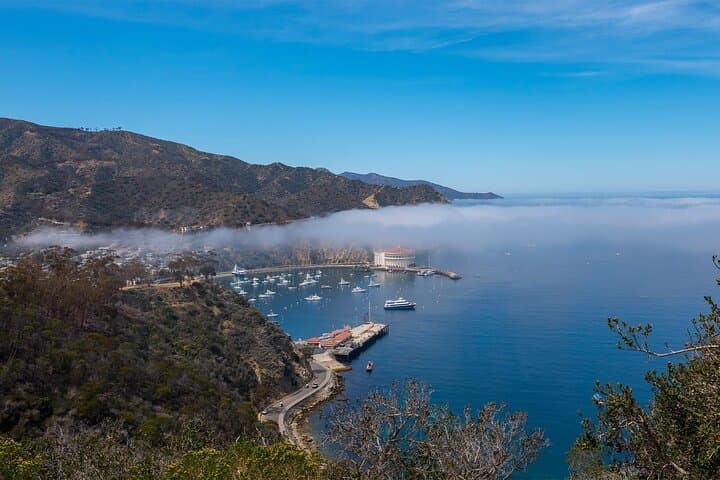
What the day feels like
You leave Avalon’s polished harbor—the gulls complaining, the ferries yawing—then the island’s spine rises up like a promise. In two hours you trade postcard beaches for a quieter, drier world: chaparral-slick canyons, wind-carved ridgelines, and a hush broken only by the soft rattle of scrub and the distant knock of a peregrine. The van climbs, the air changes, and the guide—usually a naturalist whose binoculars and cadence are equally practiced—begins to unpack stories: about water that once fed ranches, the unlikely arrival of buffalo, and foxes that live nowhere else on Earth.
This is not a theme-park loop. The 2 Hour Inside Adventure Tour on Catalina Island takes you roughly ten miles into the protected interior, where the landscape is more Channel Islands than Southern California suburb. The route is deliberately chosen to reveal a contrast: turquoise coastline on one side, oak-studded canyons on the other, and an interior that, by design, has been conserved and carefully managed. The pace is conversational—stops at viewpoints and brief nature hikes are long enough to breathe in the salt-and-sage scent and short enough to keep the day’s rhythm brisk.
Geology here is a readable page. Catalina is a tilted marine terrace—old seabeds raised and tilted by tectonic nudges—so you’ll see exposed sandstone ledges, rounded rock outcrops, and terraces that record ancient shorelines. The canyons collect fog and dew, feeding pockets of oak woodland and island scrub. That microclimate is what allowed a handful of endemic species to evolve, notably the Catalina Island fox, smaller than its mainland cousins and—until aggressive conservation—nearly vanished.
Culture and history are layered into the trip like fossils in a cliff. The island was home to the Tongva people for millennia; later came ranchos and, in the 20th century, an odd chapter of development when entrepreneurs and Hollywood types turned the island into both retreat and spectacle. Today much of Catalina is managed by the Catalina Island Conservancy, a nonprofit that protects roughly 88 percent of the land. You’ll often hear the word “conservancy” from guides—this tour is as much an interpretation of conservation choices as it is a scenic spin through canyon country.
Practicalities matter here, as the interior has a different temperament than Avalon’s waterfront. Terrain varies from packed dirt roads to short, uneven footpaths with loose rock. Expect modest elevation change—nothing mountaineering, but enough to make a pair of supportive hiking shoes a wise choice. The tour is two hours and designed to be accessible to a broad audience; most stops are short walks from the vehicle and the naturalist adjusts pace for the group.
Why take it? For the immediacy: in less than a morning you’ll go from ferry docks to a landscape that feels remote and deliberate. For the wildlife glimpses—a wary fox cresting a slope, bison tracks in a meadow, raptors quartering over a canyon—and for the context; you leave with a sharper sense of how islands demand different stewardship.
Tips that matter: travel light but smart. Bring water, layered sun protection, and a small camera with a tele lens if you have one. Timing is everything—mornings and late afternoons have softer light and more animal activity; midday can be hot and bright. And respect the boundaries: much of the interior is protected, which is why these guided tours exist—so visitors can enjoy the island without eroding what makes it special.
For travelers who want a concentrated taste of Catalina beyond the harbor, this is a high-return option. It’s not an all-day wilderness commitment, nor a surface-level bus tour. It’s an interpretive, immersive slice of island ecology and history that leaves you curious to come back for longer—ideally with a trail map, a night under the stars, and a deeper respect for the fragile species that call this place home.
Trail wisdom
Small choices, better day.
Bring at least 1 liter of water
Two hours can be deceptively dehydrating—island sun and wind dry you faster than you think.
Wear supportive shoes
Expect loose rock and short uphill walks; trail-running shoes or light hikers are best.
Protect against sun and wind
A wide-brim hat, sunscreen, and a lightweight windbreaker will cover changing conditions.
Listen to the naturalist
Guides know where wildlife is likely to appear and how to approach sensitive habitats—follow their instructions.
Local knowledge
Read the place, not just the route.
Watch for native species including Catalina Island fox, Peregrine falcon.
Keep an eye out for wildlife during the transition between areas and habitats. Respect distance guidelines.
The Catalina Island Conservancy manages most of the island—tours help fund stewardship and keep visitors on low-impact routes to protect endemic species.
Follow the guide's instructions on size limits, ethical handling, and leave-no-trace practices.
Interior viewpoints that frame both the North and South coastlines. Quiet oak groves that retain morning fog and bird activity
Locally recommended viewpoints and quiet spots known best to local operators.
The island’s interior has seen Tongva habitation, Spanish mission influence, ranching, and 20th-century conservation efforts by the Catalina Island Conservancy.
Maritime roots and regional tradition shape the waterways and working coasts.
Seasonal guide
Four versions of the same landscape.
Spring
Best forWildflower blooms · Mild temperatures · Active wildlife
ChallengesOccasional late-season rains · Mud on some trails
Spring brings temperate weather and wildflower displays, making short walks especially rewarding—pack layers for cool mornings.
Summer
Best forLong daylight · Clear coastal views · Warmer evenings in Avalon
ChallengesHigher visitor numbers · Hot midday sun
Summer offers bright, clear views but can be busy; start early to avoid crowds and the hottest hours.
Fall
Best forFewer crowds · Stable weather · Good wildlife viewing
ChallengesShortening days · Cooler nights
Fall is a sweet spot: calm seas and balanced temps make the interior comfortable for guided excursions.
Winter
Best forStormy coastal scenery · Migratory birds · Lower prices
ChallengesWind and rain on exposed ridges · Some stops may be curtailed
Winter can be dramatic with storm-swept light—expect wind and dress accordingly; the tour may alter stops for safety.
Operator details
What the booking data adds.
Included
- ✓Tour on custom built safari vehicle designed for amazing viewing in comfort.
- ✓Onboard naturalist providing wildlife and historic details throughout the tour.
Not included
- —Travel To Catalina Island is not included. Transportation needed by Ferry to Island.
- —Transportation needed by Ferry to Island -Catalina Express or Newport Flyer to get to Island.
Good to know
- ✓Suitable for all physical fitness levels
- ✓Please have your QR code ready for check-in. We leave promptly at the scheduled time and cannot wait. When booking travel to the island please make sure to give enough time from arrival to island to get to tour departure location.
- ✓We are located on Catalina Island, You must secure transportation to the island to take the tour. There are no refunds if you miss the tour.
- ✓TRAVEL TO CATALINA IS NOT INCLUDED. Transportation needed by Ferry to Island.
- ✓Children Under 5 will need a car seat to join tour. We do not provide car seats.
- ✓We cannot store or hold wheelchairs, strollers or luggage.
Pack with intention
What to bring.
Good to know
Common questions.
The tour is two hours and ventures roughly ten miles into Catalina’s interior, with several short interpretive stops.
Plan the edges
The details that make the day easier.
The Catalina Island Conservancy owns roughly 88% of the island and has been instrumental in restoring populations of the Catalina Island fox, an endemic species.
After the tour, return to Avalon for fresh seafood at waterfront eateries, sample local beers at a small pub, or visit the Catalina Island Conservancy campus to learn more about restoration work and see exhibits about island ecology.
- Closest major airports
- Long Beach (LGB) or Los Angeles (LAX); ferries depart Long Beach, San Pedro, and Dana Point to Avalon; meeting point is typically Avalon Harbor; driving to the ferry terminal from central Los Angeles is ~45–75 minutes depending on port; cell service in the interior is spotty; no permits required for guided tours, but respect Conservancy rules.
This tour operates on Conservancy-managed routes—stay on designated paths, pack out all trash, and avoid approaching or feeding wildlife to support ongoing restoration efforts.
Explore by topic
Follow the threads.
Keep exploring
Make the story part of the trip.
Set out from Bass Harbor for a private, customizable day on Blue Hill Bay — lighthouses, puffins, seals, and the chance to feel Acadia from the water. Small groups, local captains, unforgettable views.
In four hours you can move from shaded canyon ferns to wind-scoured coastal ridgelines, guided by someone who knows where the light—and the hidden views—live. This private half-day hike on the Monterey Peninsula or Big Sur is compact, curated, and perfect for travelers who want depth without a multiday commitment.
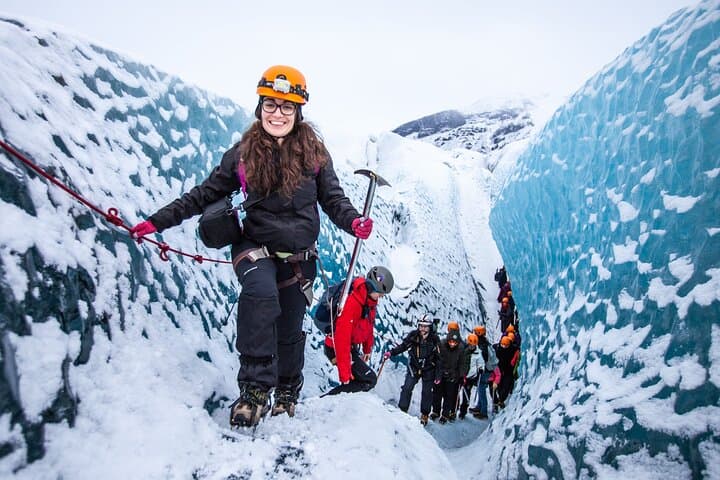 Related story
Beneath a sky of shifting light, Skaftafell’s ice reads like a map of time. This three-hour guided glacier hike mixes technical instruction with geology and culture: compact, safe, and unforgettable.