
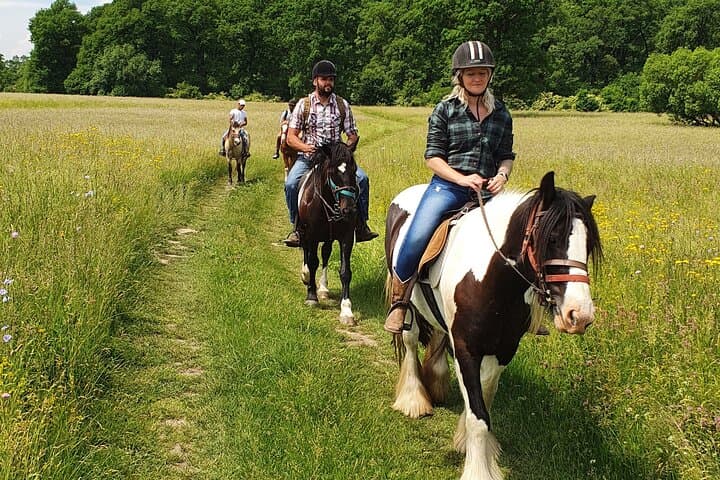
What the day feels like
The horse knows the contour of this country the way a reader knows a favorite paragraph. We set out from Brașov before high sun—picked up at our guesthouse and driven through sleepy suburbs into fields that seem to roll like a green sea. At the ranch, the animals are waiting with an easy intelligence: warm flanks, patient eyes, and a soft snort that seems to say come on. The instructor assigns mounts to match skill levels, checks stirrups with a practiced hand, and off we go—down a rutted track into oak and beech forest, across meadows where butterflies follow the horses like small satellites.
This is Transylvania up close, but without the gothic shorthand it gets in guidebooks. The landscape is a stitched tapestry of hill and hollow, pasture and plowed field, hedgerow and dark pocket forest. The horses pick their way along lanes that have seen shepherds’ boots and carriage wheels for generations. Deer freeze in the bracken and then melt back into trees; skylarks rise and scatter like thrown salt. The air smells of damp earth, cut hay, and wood smoke from distant homesteads. Nature here has a slow, confident tempo—rivers dare you with bright flashes of sound; the wind presses at your back as if urging you onward.
Geology and human history are folded together in these hills. Brașov sits at the foot of the Southern Carpathians; limestone ridges and karst plateaus in the nearby Piatra Craiului and Bucegi ranges carve dramatic skylines that frame the gentler countryside we ride through. Farmers and shepherds have shaped these fields for centuries; the traditional ranches that host riding tours are often family-run, following patterns of land use that predate modern tourism. After the ride, many operators serve a home-cooked Romanian meal—sarmale or vegetable stew made with organic ingredients—an authentic way to close the loop between landscape and local life.
This particular experience is practical as it is pleasurable. The tour runs roughly five hours door-to-door, including the transfer from Brașov to the ranch, mounting, a guided ride through fields, hills, and forests, and a hearty traditional meal at the end. Guides are certified instructors who tailor pace to riders’ skills—walks for beginners; more confident trotting and canters for experienced riders—so you feel challenged but never exposed. Wildlife is part of the program by design; expect to see deer, foxes, rabbits, and a range of birdlife if you keep quiet and look beyond the obvious.
If you’re deciding whether to book, think of this tour as a blend of light adventure and cultural exchange. It’s not a technical expedition: the trail is not extreme, but the terrain is varied—soft pasture, steep pitches on some hills, and narrow woodland trails—so balance and a basic fitness level help. What you get in exchange is a quieter, deeper way to travel through Transylvania: the rhythm of horse and rider, the hush of the forest, and that generous, slow meal at the ranch that tastes like place.
Practicalities to pack into your plan: the operator offers private pickups from Brașov and assigns horses by ability; rides are typically 3 hours in the saddle within a five-hour total. Bring layered clothing, sturdy closed-toe shoes or riding boots, sun protection, and a small water bottle. Helmets are usually provided, but check ahead if you prefer your own. In spring and autumn, mornings are cool and trails can be muddy; summer brings long, golden afternoons but also more insects.
Safety is straightforward. Certified instructors ride with the group and give a short briefing and mounting lesson. Keep your heels down, weight centered, and hands light; let the horse take the lead when it’s time. The pace is adapted to the group, and the private or small-group format means you won’t be pushed into a gait you aren’t ready for. After the ride, the shared meal is a good time to ask about local life—who runs the farm, where the vegetables come from, how the seasons shape work here.
Why travel for this instead of riding near home? Because the context changes the ride. The Carpathian foothills have a memory in their soil; hedgerows, ruined stone walls, and small chapels register human history in a way that flatland arenas cannot. The horses here carry stories—of local breeds, of working days, of routes mapped by shepherds—and you get to be part of the route for a few hours. It’s a memorable way to move through Romania: slow, tactile, and honest.
If you leave with anything, let it be a sense of proportion. These are landscapes that reward attention. Walk a horse into a sunlit break in the trees, and you’ll feel the whole valley shift in your chest. The ride ends with food—not a single-photo lunch, but a home-cooked meal that seals the experience, where the horse’s breath, the farmer’s laugh, and the warmth of the kitchen become part of the memory itself.
Trail wisdom
Small choices, better day.
Bring a small, secure daypack
Carry water, a light jacket, and snacks in a compact pack—leave large bags at the ranch to keep the saddle area uncluttered.
Use closed-toe footwear with a small heel
Sturdy riding boots or hiking boots protect your feet and help keep them correctly positioned in the stirrup.
Hydrate and pace yourself
Even on cool days, five hours of door-to-door activity requires steady hydration—sip often rather than gulp at stops.
Listen to your guide
Instructors adapt pace for safety; follow mounting, dismounting, and rein-handling cues to avoid spooking a horse.
Local knowledge
Read the place, not just the route.
Watch for native species including Red deer, Red fox.
Keep an eye out for wildlife during the transition between areas and habitats. Respect distance guidelines.
Many local ranches practice small-scale, organic farming; guests are encouraged to stay on trails, respect private land, and minimize waste.
Follow the guide's instructions on size limits, ethical handling, and leave-no-trace practices.
A quiet hilltop viewpoint above the ranch for sweeping valley views. Small mountain chapels and shepherd huts that mark traditional pastoral routes
Locally recommended viewpoints and quiet spots known best to local operators.
Brașov and the surrounding countryside have agricultural and shepherding traditions dating back centuries, with rural ranching practices still in use today.
Maritime roots and regional tradition shape the waterways and working coasts.
Seasonal guide
Four versions of the same landscape.
Spring
Best forWildflowers and newborn lambs · Cool riding temperatures
ChallengesMud on trails · Unpredictable rain
Spring brings green fields and active wildlife but expect softer, muddier trails after rains—waterproof layers are useful.
Summer
Best forLong daylight and warm weather · Full foliage and panoramic views
ChallengesHeat mid-day · Higher insect activity
Summer offers the most stable weather and long rides—start early to avoid the hottest hours and bring insect repellent.
Fall
Best forAutumn colors and crisp air · Harvest-season foods at the ranch
ChallengesCooler mornings · Shorter daylight hours
Fall is ideal for color and comfortable riding temperatures; layer for morning chills and enjoy seasonal meals afterward.
Winter
Best forQuiet, snowy landscapes (if accessible) · Short, crisp rides for experienced riders
ChallengesCold, icy trails · Limited ranch operations
Winter rides are occasional and dependent on conditions—confirm availability and be prepared for cold-weather gear.
Pack with intention
What to bring.
Good to know
Common questions.
No—this tour accommodates beginners through advanced riders; instructors match horses and pace to your skill level.
Plan the edges
The details that make the day easier.
Brașov sits at the foot of the Southern Carpathians and is near the Piatra Craiului National Park, a protected area known for diverse karst landscapes and wildlife.
After the ride, head back to Brașov’s Piata Sfatului for traditional sarmale and a craft beer at a local brewpub; try local cheeses and honey from nearby producers to taste the region’s seasonal flavors.
- Closest airport
- Brașov-Ghimbav (GHV) ~20 km; major international: Bucharest OTP ~170 km. Driving from Brașov center to ranch: 30–60 minutes. Cell service: good near towns, patchy in forests. Permits: none typically required.
Ranches often use organic produce and low-impact grazing; stick to designated trails, pack out waste, and support local food to keep economic benefits in the community.
Explore by topic
Follow the threads.
Keep exploring
Make the story part of the trip.
 Related story
Less than two hours from Nairobi, Kereita Forest pairs hands-on canopy adventure with quiet montane trails and a sobering colonial history—perfect for families, teams, and curious travelers seeking a full-day pulse of nature.
Set out from Bass Harbor for a private, customizable day on Blue Hill Bay — lighthouses, puffins, seals, and the chance to feel Acadia from the water. Small groups, local captains, unforgettable views.
In four hours you can move from shaded canyon ferns to wind-scoured coastal ridgelines, guided by someone who knows where the light—and the hidden views—live. This private half-day hike on the Monterey Peninsula or Big Sur is compact, curated, and perfect for travelers who want depth without a multiday commitment.