
What the day feels like
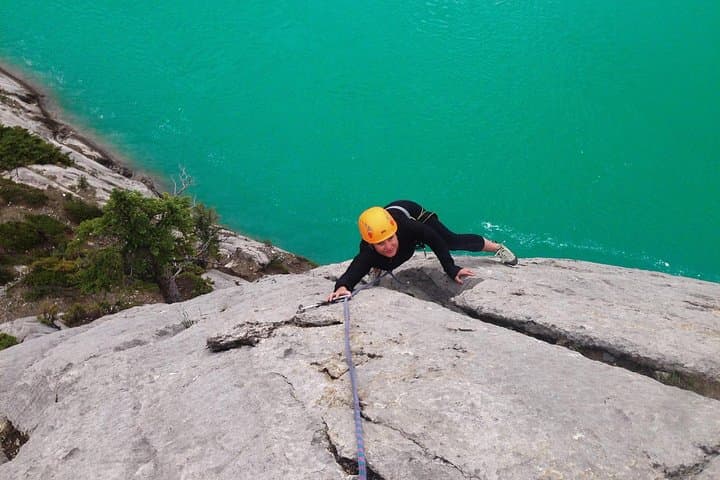
The limestone waits like a folded page beside the Athabasca River—flat, sun-washed, and improbably smooth. When you arrive at the Morro Slabs a short drive from Jasper, the mountain leans in close: the slabs angle gradually upward, interrupted by small cracks and pockets that invite exploration. The river, broad and glacial-fed, murmurs downstream and occasionally dares you into motion with the scent of cold water and spruce. For four hours, this is your classroom and playground.
Guided by a local operator, the Jasper Rock Climbing Experience condenses the essentials of alpine rock into a focused half-day: a short transfer from town, a hands-on primer on gear and safety, and a series of climbs on perfect limestone that are as satisfying for beginners as they are for those looking to refine technique. The tone of the day is practical—rope work, foot placement, and the quiet etiquette of sharing a route—yet it never loses the simple thrill of movement up rock with a view. Instructors set top-rope anchors on routes that range from straightforward slab climbing to steeper pocketed faces, tailoring the pitch selection to your comfort level and goals.
Jasper’s geology reads like a slow-motion collision: the Canadian Rockies were thrust skyward and then carved by ice, leaving behind stacked layers of limestone and shale. The Morro Slabs are a local expression of that process—polished faces with subtle features that reward patience over brute strength. That means this place is an excellent training ground: you’ll learn balance and precise footwork rather than how to power through an overhang. The proximity to the Athabasca River also adds a sensory layer—water-sound, shimmering light, and an ever-present reminder of the glacial systems that created this range.
The cultural frame around a day on these rocks matters. Jasper National Park, founded in 1907 and part of the UNESCO Canadian Rocky Mountain Parks World Heritage Site, is managed for both conservation and recreation. Guided tours like this one operate with a light footprint, using established routes and anchors and educating visitors on Leave No Trace principles. Your local guide will likely share touches of park history: the early railway exploration, Indigenous travel corridors long used by Cree and Métis peoples, and the gradual development of Jasper as an outpost for mountain lovers.
Practical nuts-and-bolts are refreshingly simple. The experience runs roughly four hours and operates daily from June 5 to September 15—prime summer weather in the Rockies. You meet at the operator’s office in Jasper, transfer a few minutes to the crag, and don helmets and harnesses provided by the outfitter. Instruction covers belaying, knots, and basic movement; then you climb. Expect guided top-rope routes that prioritize safety and skill-building. Price starts from USD 105.90, and with a high average rating from previous guests, this is a reliable way to get on rock with professional supervision.
For photographers, the afternoon light slanting across the slabs yields low-contrast textures that frame close-up movement—hands and shoes, rope curves, chalked finger tips—while wide-angle shots that include the Athabasca and tree-lined ridges take advantage of the site’s natural lines. Wildlife is never far off; stay alert for bighorn sheep on ridgelines and black bears in the surrounding forests, and always follow your guide’s instructions on wildlife encounters.
If you’re planning the trip, a few tactical points matter: arrive with layered clothing (mountain weather swings fast), a small daypack with water and snacks, and shoes with sticky rubber—you can rent gear through the outfitter, but if you climb regularly, bringing your own shoes makes a difference. The route choices and pace are inclusive: couples, families with older kids, and solo travelers who want to try climbing for the first time typically find this format approachable.
Beyond the harness, consider staying longer in Jasper to explore the surrounding terrain. Paddle Pyramid Lake at dawn, soak at Miette Hot Springs after a long day, or ride the Jasper SkyTram for aerial perspectives of the same peaks you just climbed. These activities create a fuller sense of place and a deeper appreciation for the geology and ecosystems that shape the experience.
The Jasper Rock Climbing Experience is not about summit glory; it’s about the precision of a step on limestone, the cadence of rope and call, and the small victories—an unclipped quickdraw, a controlled foot smear—that build confidence for future alpine travel. It’s ideal for people who want to learn technical basics without committing to a full multi-pitch expedition, and for those who simply want to feel rock under their hands in one of Canada’s most scenic national parks.
If you go: book early—this popular half-day runs through mid-September and tends to fill. Expect clear instruction, reliable gear, and an operator that knows how to wring the maximum skill-development out of a morning or afternoon on the slabs. Return to town with chalk on your fingers, a new set of movement cues in your head, and the kind of quiet satisfaction that only comes from climbing and then sitting beside a river, still feeling the grip of the rock under your palms.
Trail wisdom
Small choices, better day.
Book Morning or Late Afternoon
Climbing in the lower sun avoids peak heat and delivers the best light for photos and textured holds.
Layer for Variable Weather
Bring a lightweight wind shell—temperatures can drop rapidly even on summer afternoons.
Hydrate Beforehand
Carry at least 1–2 liters of water; exertion on exposed rock and sun-reflecting limestone dehydrates fast.
Leave Valuables in Town
Cell service is patchy at the crag and the site has limited secure storage—carry only essentials.
Local knowledge
Read the place, not just the route.
Watch for native species including Bighorn Sheep, Black Bear.
Keep an eye out for wildlife during the transition between areas and habitats. Respect distance guidelines.
Guided operators use established anchors and routes and emphasize Leave No Trace; visitors should stick to trails and carry out all trash.
Follow the guide's instructions on size limits, ethical handling, and leave-no-trace practices.
Pyramid Lake for a calm pre- or post-climb paddle. Miette Hot Springs for a restorative soak away from crowds
Locally recommended viewpoints and quiet spots known best to local operators.
Jasper National Park was established in 1907 and is part of the Canadian Rocky Mountain Parks UNESCO World Heritage Site.
Maritime roots and regional tradition shape the waterways and working coasts.
Seasonal guide
Four versions of the same landscape.
Spring
Best forquieter crowds · early-season skills practice
Challengesresidual snow · cooler temperatures
Early season (late May into June) can still have cool temps and wet rock—confirm opening dates with the operator.
Summer
Best forstable weather · full operating schedule · long daylight
Challengeshigher visitor numbers · sun exposure
Peak season (June–September) offers consistent operations and warm conditions—book slots in advance.
Fall
Best forcrisp air · autumn light
Challengesshorter days · early season closures after mid-September
Early fall can be ideal for color and cooler climbing, but operations end by September 15—check dates.
Winter
Best forsnow scenery · off-season quiet
Challengessite closed for climbing operations · cold and snow-covered rock
Rock climbing at Morro Slabs is not offered in winter; focus on snow sports in the Jasper area instead.
Pack with intention
What to bring.
Good to know
Common questions.
No—this guided experience is designed for beginners and those with limited experience; instructors cover basic techniques and safety.
Plan the edges
The details that make the day easier.
Jasper National Park is part of the Canadian Rocky Mountain Parks UNESCO World Heritage Site, recognized for its exceptional mountain landscapes and glacial geology.
After your climb, head into Jasper to sample local brews at Jasper Brewing Company and grab a hearty dinner at Evil Dave’s Grill; for a quieter evening, stop by the Jasper SkyTram viewpoint for sunset.
- Closest major airport
- Edmonton International Airport (YEG) ~4–5 hours drive; Driving distance from Jasper town: 10–15 minutes; Cell service: patchy at the crag; Permits: Parks Canada park pass required; Meeting point: operator’s office in Jasper.
This site sits within a national park—stick to existing trails, avoid fixed anchors outside established routes, and pack out all waste to protect fragile alpine flora.
Explore by topic
Follow the threads.
Keep exploring
Make the story part of the trip.
In four hours you can move from shaded canyon ferns to wind-scoured coastal ridgelines, guided by someone who knows where the light—and the hidden views—live. This private half-day hike on the Monterey Peninsula or Big Sur is compact, curated, and perfect for travelers who want depth without a multiday commitment.
 Related story
Beneath a sky of shifting light, Skaftafell’s ice reads like a map of time. This three-hour guided glacier hike mixes technical instruction with geology and culture: compact, safe, and unforgettable.
 Related story
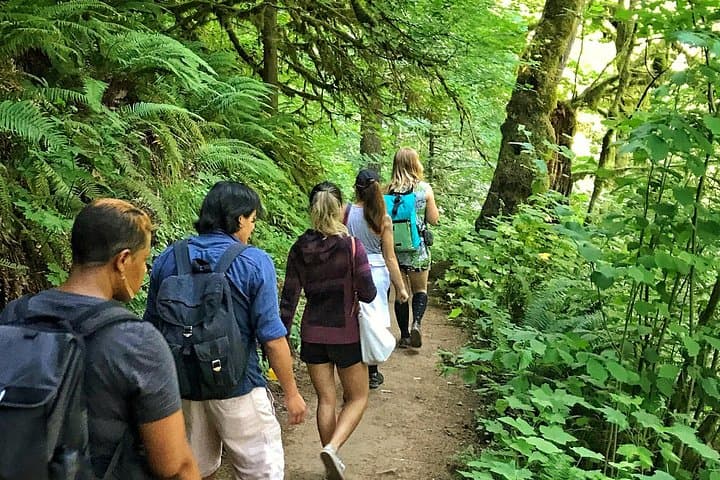
Lose the city for a few hours without leaving it: this 5-mile, 900-foot-gain Forest Park loop threads old-growth pockets, city viewpoints, and cultural landmarks for a compact taste of Portland’s wild side. Expect moss, roots, and stories.