
What the day feels like
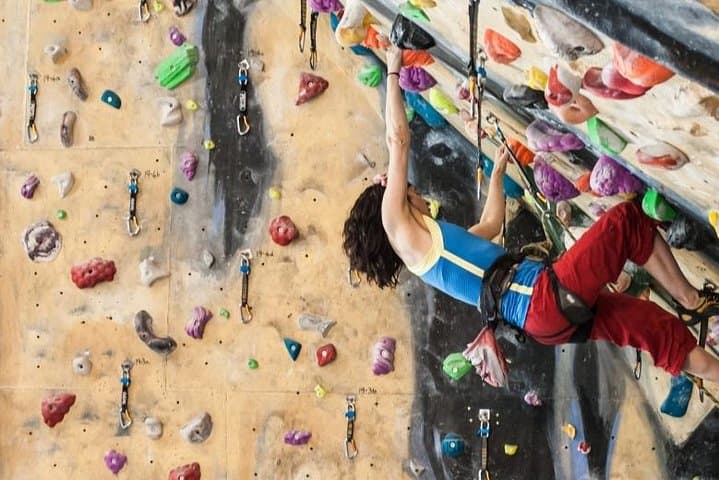
The first grip is always a little uncertain. You plant your palm on plastic that feels too warm for the Baltic air and look up: a patchwork of routes—bright tape, chalked holds, a promise of movement—the wall jagged like a city skyline. In Riga, where cobbled lanes and Art Nouveau facades command the daylight, this two-hour indoor climb is an unlikely way to understand a place. But by the time you clip the rope and shift your weight, you’re translating the city’s practical coolness into a rhythm of footholds and breath.
Riga Rock Climbing is compact and direct: equal parts skills session and friendly competition. It’s the kind of booking you treat like a sharpening stone—an easy, controlled place to learn footwork, test endurance, and banish the idea that rock is only for distant ranges. For travelers who want to stretch their legs before a Baltic night out—or who need to train between flights—this is a tidy, efficient dose of movement.
Latvia’s climbing story is modest but interesting. The country doesn’t bill itself as a climbing mecca, but the landscape—glaciated lowlands, river valleys, and patches of sandstone—has offered climbing opportunities for decades. Gauja National Park, an hour’s drive from Riga, is the region’s best-known outdoor climbing area: sandstone outcrops and forested ridgelines where the rock is softer and approaches short. Indoor gyms in Riga filled a gap after the Soviet era, when climbing equipment and structured instruction became more widely available; today they act as gateways, introducing locals and visitors to rope systems, belaying skills, and route-reading before people venture outdoors.
If you’re picturing sheer limestone faces and high alpine exposure, adjust your expectations: in and near Riga the climbing experience favors technique over brute height. Indoors you’ll find top-rope and lead instruction, bouldering walls for dynamic moves, and a progression that nudges you from easy slabs to steeper, pumpy problems. Outside, the sandstone of Gauja tempts with friction-based moves and careful footwork rather than towering pitches.
Why book a session like this? For starters, it’s accessible. The experience compresses coaching and practice into a manageable block: two hours to learn or refresh belaying, try a handful of routes, and get personalized feedback. It’s social—groups often form tight pairs—and it’s practical: the skills translate to rock, via ferrata, or alpine scrambling. For travelers, it’s also a weatherproof active option: when Riga’s drizzle arrives, the climbing wall remains an arena of controlled risk and accomplishment.
Practical realities matter. The session is typically private or semi-private, making it a good choice for small groups or a team-building pick. Expect rental gear—shoes, harness, helmet—if you’re flying light; many gyms provide these for a modest fee. The instruction is hands-on: coaches will walk you through knot-tying, belay device use, safe lowering, and fall mechanics. If you’re new to climbing, arrive 15 minutes early to fill out waivers and get fitted. If you’re experienced, tell your guide so they can push you toward lead practice or circuit training instead of basics.
Timing and pacing are underrated. Book a morning or late-afternoon slot to avoid the post-work crowd. Two hours is enough to warm up, learn, and attempt several routes without feeling rushed; it’s not a cram session for projecting your hardest moves. Hydrate, but keep bottles off the mats; chalk is standard—bring or borrow a chalk bag to keep your grip honest. Footwear matters: renting shoes is fine, but if you climb frequently, bring a snug pair that lets you sense edges and smears.
Beyond the gym, Riga rewards with urban culture and short escapes. After climbing, wander into the Old Town’s lanes for rye bread and grey peas with bacon, or find a local craft brewery to sample Latvian ales—Aldaris has a long history in the city and there are lively microbreweries downtown. If you have a day free, drive north to Gauja National Park for forested trails and sandstone crags where the rock asks for different skills: quieter footwork, patience on friable holds, and respect for seasonal closures.
Safety and etiquette: follow your guide and the gym’s rope protocols. Indoors you’ll be taught the basics, but climbers should always do a partner check on knots, harnesses, and belay settings. Outside, stay out of protected areas in national parks, avoid climbing wet sandstone, and use designated anchors when present.
This kind of urban-meets-outdoor outing sits at a sweet intersection: it is energetic without being extreme, social without being crowded, and instructional without being pedantic. For first-timers it’s empowering; for experienced climbers it’s a purposive training block and a fun way to connect with local movement culture. In a city where architecture and history invite wandering, the climbing wall offers a different kind of map: one read with fingers, feet, and the small, stubborn satisfaction of top-out.
Trail wisdom
Small choices, better day.
Partner Check Is Non-Negotiable
Always perform a mutual knot, harness, and belay check before you climb—even with an instructor present.
Rent Shoes If You Fly Light
Gym rental shoes work fine for a session; if you plan to climb more often, bring a snug pair for better edging.
Time Your Visit
Book morning or late-afternoon slots to avoid peak crowds and get more coach attention.
Transition to Outdoors Carefully
If heading to Gauja National Park after the gym, respect seasonal closures and avoid climbing wet sandstone.
Local knowledge
Read the place, not just the route.
Watch for native species including European roe deer, White-tailed eagle (occasionally seen along river valleys).
Keep an eye out for wildlife during the transition between areas and habitats. Respect distance guidelines.
Avoid climbing on wet sandstone in Gauja National Park and respect seasonal closures; indoors, recycle chalk waste where facilities provide disposal.
Follow the guide's instructions on size limits, ethical handling, and leave-no-trace practices.
Sandstone crags and trails around Gauja National Park (Sigulda/Cēsis areas) for summer outdoor practice. Riga’s network of bouldering walls and community training nights—ask local gyms for meetups
Locally recommended viewpoints and quiet spots known best to local operators.
Riga’s historic center is a UNESCO World Heritage Site; post-Soviet growth saw climbing gyms become popular community hubs for younger residents.
Maritime roots and regional tradition shape the waterways and working coasts.
Seasonal guide
Four versions of the same landscape.
Spring
Best forIndoor skills training · Transitioning to outdoor friction moves
ChallengesUnpredictable rain · Cooler temperatures on outdoor rock
Spring is great for gym sessions and short trips to nearby sandstone when weather permits; bring layers for changeable conditions.
Summer
Best forCombining indoor training with outdoor climbs · Long daylight exploration
ChallengesHigher visitor numbers · Warmer, sometimes humid conditions
Summer offers the best weather for pairing a gym session with a day trip to Gauja’s crags—expect busier gyms and popular trails.
Fall
Best forCrisp outdoor climbing days · Off-peak gym times
ChallengesShortening daylight · Early-season storms
Autumn brings cooler, stable rock conditions—ideal for outdoor friction climbing and focused gym work between trips.
Winter
Best forIndoor training and strength building · Technique refinement
ChallengesOutdoor routes often closed or unsafe · Short daylight and cold
Winter is prime time to use the gym for technical training, conditioning, and preparing for spring outdoor adventures.
Operator details
What the booking data adds.
Included
- ✓2 hour rock Climbing
- ✓English Speaking Guide
- ✓Saftey Equipment
- ✓Instructor
- ✓Return transfers
Good to know
- ✓Not recommended for pregnant travelers
- ✓Suitable for all physical fitness levels
Pack with intention
What to bring.
Good to know
Common questions.
No—sessions typically include basic instruction on knots, belaying, and safety; let the operator know your level so coaches tailor the lesson.
Plan the edges
The details that make the day easier.
Riga’s historic center is a UNESCO World Heritage Site, recognized for its extensive Art Nouveau architecture and medieval core.
After climbing, head to the Old Town for hearty Latvian dishes—rye bread, grey peas with bacon—and sample local craft beers at a downtown taproom; museums and riverside walks make for a mellow cooldown.
- Closest airport
- Riga International Airport (RIX); Typical driving time to city center: 10–20 minutes; Cell service: reliable in Riga, patchier in national parks; Permits: none for indoor gyms—check local regulations for outdoor climbing in Gauja.
Respect send-sensitive sandstone in Gauja National Park—avoid climbing wet rock, pack out chalk and trash, and follow established routes to limit erosion.
Explore by topic
Follow the threads.
Keep exploring
Make the story part of the trip.
In four hours you can move from shaded canyon ferns to wind-scoured coastal ridgelines, guided by someone who knows where the light—and the hidden views—live. This private half-day hike on the Monterey Peninsula or Big Sur is compact, curated, and perfect for travelers who want depth without a multiday commitment.
 Related story
Beneath a sky of shifting light, Skaftafell’s ice reads like a map of time. This three-hour guided glacier hike mixes technical instruction with geology and culture: compact, safe, and unforgettable.
 Related story
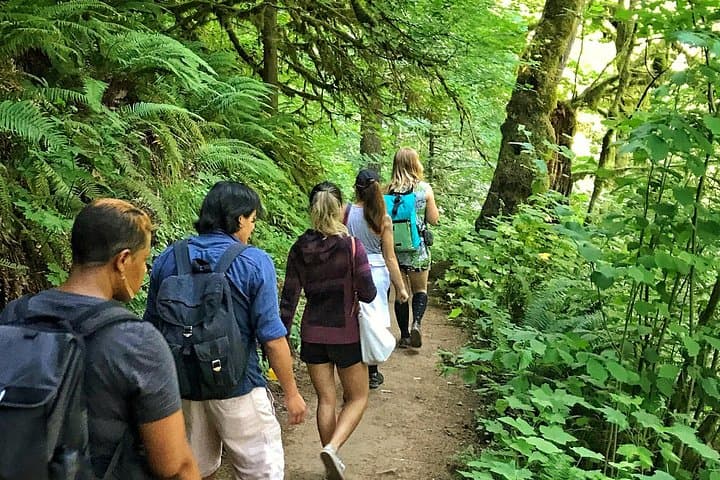
Lose the city for a few hours without leaving it: this 5-mile, 900-foot-gain Forest Park loop threads old-growth pockets, city viewpoints, and cultural landmarks for a compact taste of Portland’s wild side. Expect moss, roots, and stories.