
What the day feels like
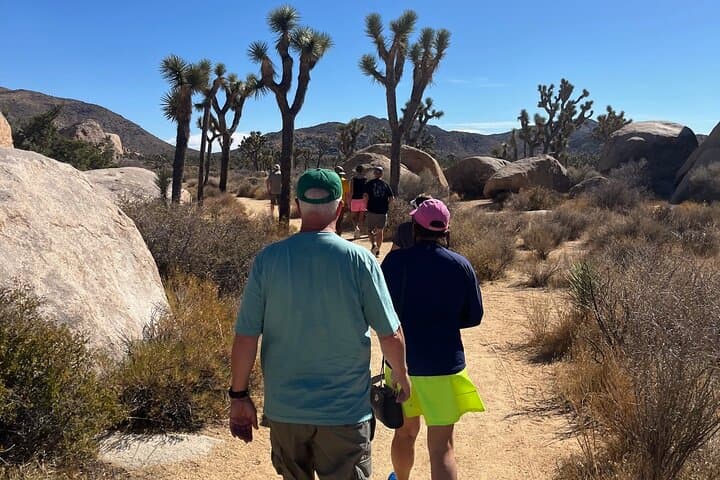
You step out of the van and the air is different—dry, a little electric, as if the light itself has edges. A skyline of sculpted boulders and the jagged silhouettes of Joshua trees spread out, cinematic and oddly familiar; these are not the tidy pines of postcard mountain ranges, but peculiar, arthritic sentinels that point at the sky. For four hours, a guided sightseeing tour is enough to change the way you look at a desert.
This is Joshua Tree in concentrated form: granite and gneiss worn into towers and balanced blocks, trails that are short but revealing, and panoramas that feel like somebody carved out a stage for the sky. A half-day tour is a practical way to see the park’s signature elements—Hidden Valley’s pocketed amphitheaters, Barker Dam’s reflective basin, Keys View’s sweep of the Coachella Valley—without committing to multi-day backcountry logistics. The rhythm of the day is measured in 10–20 minute walks between viewpoints, each stop a mini-adventure that asks less of your legs and more of your attention.
Geologically, Joshua Tree is ancient. The park sits where two distinct desert ecosystems—the higher Mojave and the lower Colorado—interlock. The big rocks you climb and pose on are metamorphic and igneous formations that have been exposed and sculpted over a billion years; the valleys hold the sands and washes of a younger desert. Culturally, the land is layered: Indigenous history runs deep here—Chemehuevi, Serrano, and other peoples have long-known routes and spring sites—and more recent Western narratives include miners, homesteaders, and bohemian communities that found creative refuge among the boulders.
What makes a guided half-day worthwhile is not only access to viewpoints but context. A good guide will point out plant adaptations—how the Joshua tree’s spiky leaves reduce moisture loss or how cryptobiotic soil crusts hold together fragile desert flats—and translate dry facts into sharper curiosities. They’ll tell you which rock faces were once riverbeds, where you can safely scramble 20 feet for a different angle on the valley, and where sunset light will turn the desert into warm, saturated color.
On the practical side: the tour is a concentrated affair. Most stops involve short, mostly flat walks—expect 0.2 to 1 mile at each pullout with minimal elevation gain—so it’s accessible to casual hikers and families. The physical demand is modest, but the desert’s exposure is not. Sun, wind, and temperature swings are the constant companions. Bring layered clothing for cool mornings and evenings, a sun hat, and two liters of water as standard. Footwear can be simple trail shoes; you won’t be doing long climbs, but the terrain is rocky and uneven.
Timing matters. Spring offers wildflower bursts and comfortable temps; fall has golden afternoon light and cooling evenings. Midday in summer brings brutal heat—plan early or late-day departures. If you want crisp photographs, aim for the golden hour an hour before sunset; for cooler walking, choose a morning start. The tour price—typically around $99—makes this a good fit for day-trippers based in Palm Springs or those staying in Joshua Tree Village who want a curated experience without a long self-guided itinerary.
How you move through the park during four hours is part choreography, part improvisation. The van drops you where a short loop will reveal something new—a tree with a sculpted trunk, an ancient damline that still holds water in wet seasons, a viewpoint where you can look out over the Coachella Valley and, on a clear day, see the Salton Sea’s sheen. Guides will often tailor stops to the light and group interest; photographers, geology buffs, and families all get slightly different emphases.
Local infrastructure is simple and service sparse. Cell reception is spotty; rely on your guide for navigation and safety. Park etiquette matters: stay on designated routes, don’t remove plants or rocks, and respect cultural sites. National Park fees apply (confirm whether they’re included in your tour price) and vehicles are funneled along the main roads—this isn’t a backcountry expedition, but a focused introduction to a landscape that rewards slower attention.
For planning: pack smart, think short, and expect big scenery. Bring a camera with a mid-range zoom for detail and wider lenses for the big rock faces. Carry sunscreen, a compact daypack, layers for sudden temperature drops, and sturdy shoes. If you’re sensitive to altitude, remember that some overlooks sit above the valley floor; the desert light and exertion still feel different than suburbia.
This kind of half-day tour is ideal for travelers who want a high-yield taste of Joshua Tree—an efficient, interpretive loop through several of the park’s signature sites. It’s equally suited to people who have limited time in the Coachella Valley and those who want orientation before committing to a longer hike or a climbing session. It’s not a replacement for overnight backpacking or technical climbs, but it often becomes the spark: people who spend four hours on a guided loop frequently return for longer stays.
If you go, treat the place with curiosity and restraint. The desert can be generous with its views but fragile underfoot. Walk lightly, ask questions of your guide, and save space on your memory card for the magic hour when boulders glow and the Joshua trees lean into the evening like markers pointing you home.
Trail wisdom
Small choices, better day.
Hydrate early and often
Carry at least 2 liters of water and sip regularly—the desert dehydrates faster than you think.
Layer for changing temps
Start with breathable sun protection and add a warm layer for cooler mornings or sunset; temperatures swing quickly.
Choose sturdy shoes
Wear closed-toe trail shoes with good tread—rocky scramble sections are short but sharp.
Respect fragile terrain
Stay on marked routes to protect cryptobiotic soils and cultural sites; don’t take plants or rocks.
Local knowledge
Read the place, not just the route.
Watch for native species including Coyotes, Desert Bighorn Sheep (rare).
Keep an eye out for wildlife during the transition between areas and habitats. Respect distance guidelines.
Stay on designated trails to protect fragile soils and native plants; pack out all trash and minimize night-time lights to preserve dark-sky conditions.
Follow the guide's instructions on size limits, ethical handling, and leave-no-trace practices.
Keys View at golden hour for expansive valley light. Hidden Valley loops for easy boulder scrambling and photo ops
Locally recommended viewpoints and quiet spots known best to local operators.
The park’s landscape has been inhabited for thousands of years by Indigenous peoples; modern protection began with the national monument era and culminated in national park status in 1994.
Maritime roots and regional tradition shape the waterways and working coasts.
Seasonal guide
Four versions of the same landscape.
Spring
Best forWildflower displays · Comfortable hiking · Photography
ChallengesVariable weather · Weekend crowds · Occasional muddy washes after storms
Spring brings mild temperatures and wildflowers—one of the most pleasant seasons for a half-day tour, with long daylight and vibrant colors.
Summer
Best forEarly-morning tours · Empty trails if you start early
ChallengesExtreme heat · Shorter comfortable daylight windows · Risk of heat-related illness
Summer can be harsh; schedule tours for early morning or late afternoon and carry extra water and sun protection.
Fall
Best forCrisp light for photos · Cooler hiking conditions · Fewer crowds than spring
ChallengesVariable evenings · Potential wind storms
Fall offers warm days and cool nights—great light for photography and comfortable walking conditions.
Winter
Best forClear air and long views · Cool-weather hikes · Stargazing after sunset
ChallengesCold mornings/evenings · Occasional rain or frost · Limited daylight
Winters are generally mild but can be cold at higher overlooks—bring warm layers and be prepared for shorter daylight hours.
Operator details
What the booking data adds.
Included
- ✓Private transportation
- ✓Air-conditioned vehicle
- ✓Tour Guide
- ✓We have bottled waters and protein bars in the vehicle
Not included
- —Tip for the tour guide is not included
- —National Park Pass gets 4 people in, otherwise it's 15 USD / person at the park entrance
Good to know
- ✓Not recommended for travelers with spinal injuries
- ✓Not recommended for pregnant travelers
- ✓Not recommended for travelers with poor cardiovascular health
- ✓Suitable for all physical fitness levels
- ✓No infants allowed, travelers must be age 5 or more.
- ✓The total duration includes the travel time
Pack with intention
What to bring.
Good to know
Common questions.
The sightseeing tour runs approximately 4–5 hours, with multiple short stops and brief walks at each site.
Plan the edges
The details that make the day easier.
Joshua Tree National Park was designated a national park in 1994 and protects two distinct desert ecosystems—the Mojave and the Colorado—home to the iconic Yucca brevifolia (Joshua tree).
After a tour, head to Joshua Tree Village or Pioneertown for a strong locally roasted coffee and hearty fare; for live music and a classic desert meal, Pappy & Harriet's in Pioneertown pairs well with an evening under the stars.
- Closest airport
- Palm Springs International (PSP); Drive time to main park entrances: ~45–60 minutes from Palm Springs; Cell service: patchy—rely on your guide; Permits
- fees
- National Park entrance fee applies—verify whether the tour includes it.
Protect cryptobiotic soils and native plants by staying on designated routes; pack out trash, avoid collecting natural objects, and minimize light pollution when visiting at dusk.
Explore by topic
Follow the threads.
Keep exploring
Make the story part of the trip.
Set out from Bass Harbor for a private, customizable day on Blue Hill Bay — lighthouses, puffins, seals, and the chance to feel Acadia from the water. Small groups, local captains, unforgettable views.
In four hours you can move from shaded canyon ferns to wind-scoured coastal ridgelines, guided by someone who knows where the light—and the hidden views—live. This private half-day hike on the Monterey Peninsula or Big Sur is compact, curated, and perfect for travelers who want depth without a multiday commitment.
 Related story
Beneath a sky of shifting light, Skaftafell’s ice reads like a map of time. This three-hour guided glacier hike mixes technical instruction with geology and culture: compact, safe, and unforgettable.