
What the day feels like
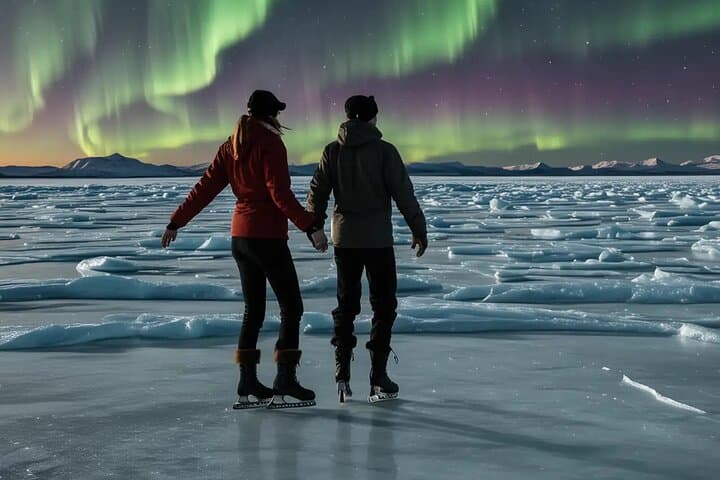
The first time you slide out onto the forest ribbon of ice outside Rovaniemi, the air grabs at your cheeks with a crispness that makes you breathe with intention. Pines stand like ordered crowds, their branches dusted in sugar—each tree a patient witness as blades whisper across a track that Anastasia, our guide, calls the trail’s heartbeat. Ahead, a sky that sometimes shimmers green and purple waits in silence; the Northern Lights are never guaranteed, but the forest itself is a reason to lace up.
This is not a manicured rink but a trail hewn from frozen waterways and groomed lake edges, a quiet corridor carved through snowfields where the light of a headlamp catches in the ice and turns every stride into a small, private performance. The tour runs roughly three hours, long enough to learn the rhythm of the blades and short enough that the cold never ossifies the fun. Along the way, you stop for a hot drink and a snack beside a small fire—hot berry juice steamed in tin cups that taste of pine and company. Guides talk about the local night sky in a way that balances myth and meteorology; Sámi stories about the lights sit comfortably next to explanations of solar particles and geomagnetic storms.
Rovaniemi sits on the Arctic Circle and functions as both a gateway and a classroom for winter travel. Geologically, the landscape is shaped by glacial legacies—rounded hills and countless lakes that freeze solid every winter, creating the natural surfaces that turn into skating ribbons. Culturally, you move through land that has been home to the Sámi people for millennia; their reindeer herding traditions are visible even from the skating trail when a small herd silhouettes against the horizon or when your guide references old migration routes. Human history here is recent in settler terms but ancient in indigenous continuity, and contemporary tourism in Rovaniemi threads both strands: you’ll find modern visitor centers like Arktikum across town and small, local enterprises that keep Sámi crafts, food, and knowledge in circulation.
The practical facts matter as much as the poetry. The Viator experience runs about three hours and usually includes skates and safety gear, making it approachable for people who are comfortable on two blades. Cost starts at roughly $185 per person, often with hotel pickup in Rovaniemi. The optimal window for consistent ice and a clean, dark sky is mid-winter: late January through March, when nights are long and temperatures stabilize below freezing, firming the ice and keeping snow from slurping up blades. But nature negotiates on its own timetable; guides read the weather as part of the service and can adjust routes to find the best conditions.
For travelers, preparation is straightforward but essential. Dress in layers, with a warm base and a windproof shell; gloves that let you grip a pole or sip a hot drink without fumbling are a small luxury. Bring a headlamp with fresh batteries if you want to photograph or scan the trees between skates—the guides bring communal lights, but individual illumination avoids collisions. If you’re new to outdoor winter skating, plan for a slow warm-up; the trail’s first kilometer is teaching terrain, not racing terrain. For the aurora chasers, the tour offers a split function: skating as exercise and presence, with stops calibrated to give you eyes on the sky if auroral activity spikes.
Safety is non-negotiable: wear a helmet if you have one or take a rental, check that your skates are sharpened before departure (staff usually manage this), and listen to guides about thin ice warnings. While the trail is prepared, conditions can change, and frost heave or wind-sculpted snow can alter traction instantly. Hydration matters in the cold—your metabolic rate rises even if sweating is invisible—so sip often and balance warm beverages with water.
Beyond logistics, the reason to try this is simple: it reframes the Arctic night. Instead of watching the sky from a static viewpoint, you make a moving relationship with it. The forest has personality here—pines that lean in like attentive listeners, rivers and lakes that dare you to trust their frozen skins, winds that test your balance and then, briefly, set the tempo. If the lights appear, the effect is cinematic: green ribbons folding and unfolding above a lone skater moving through a hush of white. If they don’t, the moonlight and the smell of spruce are rewards unto themselves.
Local operators emphasize low-impact travel. Groups are typically small by design to limit trail erosion and noise, and guides brief visitors on respecting wildlife and local land use, including reindeer grazing areas. After the tour, the city of Rovaniemi is close enough for a hot meal—poronkäristys (sautéed reindeer) and a smoky Lappish salmon are fitting post-skate repairs—and for an evening sauna to thaw the muscles.
If you’re deciding whether to book: pick a clear night, expect three hours of paced activity, bring layered clothing and good socks, and trust that the experience is part sporting lesson, part cultural primer, and part small, moving communion with the Arctic. The forest does its work—patient, demanding a measure of humility—and the ice, once you learn its language, replies with speed and quiet joy.
Trail wisdom
Small choices, better day.
Layer for changeable cold
Start with a moisture-wicking base, insulating mid-layer, and a windproof outer; pockets for snacks and hand warmers matter.
Rent or sharpen skates
Most operators provide rentals, but if you own skates, bring them and ensure blades are sharpened for outdoor ice.
Protect electronics
Cold drains batteries fast—carry battery warmers or keep spares near your body and use protective cases for cameras.
Pace for the group
Follow the guide’s speed—forest ice can change suddenly and sticking with the group keeps everyone safe.
Local knowledge
Read the place, not just the route.
Watch for native species including Reindeer, Moose (elk).
Keep an eye out for wildlife during the transition between areas and habitats. Respect distance guidelines.
Groups are kept intentionally small and guided to reduce trail wear; visitors are asked to avoid disturbing lichens and reindeer grazing grounds and to pack out all waste.
Follow the guide's instructions on size limits, ethical handling, and leave-no-trace practices.
Ounasvaara forest loops—quiet trails with views over Rovaniemi. Small lakeside kota (hut) stops where guides serve hot berry juice and snacks
Locally recommended viewpoints and quiet spots known best to local operators.
Rovaniemi sits on the Arctic Circle and is a hub for Sámi culture and Arctic research; the town rebuilt after WWII and evolved into a center for northern tourism.
Maritime roots and regional tradition shape the waterways and working coasts.
Seasonal guide
Four versions of the same landscape.
Spring
Best forLonger daylight skating · Firmer spring ice in some years
ChallengesThawing ice patches · Variable snow cover
Late winter into early spring can offer longer daylight hours and variable ice; choose dates carefully and expect slushy edges on warmer days.
Summer
Best forNot applicable for ice skating · Alternative winter training off-season
ChallengesNo frozen surfaces · Seasonal closure
Summer is off for ice skating—look to hiking or paddling options instead; operators typically run other seasonal experiences.
Fall
Best forTransition training sessions · Early-season aurora scouting
ChallengesUnstable early freeze · Shorter daylight
Autumn brings short nights and unpredictable ice; tours are less common until a solid freeze sets in.
Winter
Best forIce skating trails · Northern Lights viewing · Snowy forest immersion
ChallengesExtreme cold spells · Polar night conditions in December
Winter is prime time: stable ice, long nights for aurora potential, and classic Arctic conditions—dress and plan for very cold weather.
Pack with intention
What to bring.
Good to know
Common questions.
Most tours include skate and helmet rentals—confirm at booking, and note that specialty blade fittings may be limited.
Plan the edges
The details that make the day easier.
Rovaniemi lies on the Arctic Circle and officially markets itself as the 'official hometown of Santa Claus'—it experiences polar night in winter when the sun does not rise for part of the season.
After a skate, warm up with traditional poronkäristys (sautéed reindeer) and rye bread at a local tavern, visit Arktikum for regional history and science exhibits, and finish the night with a public sauna or a craft beer from a nearby brewery.
- Closest airport
- Rovaniemi Airport (RVN); Driving from city center to trailhead: 10–30 minutes; Cell service: generally reliable near trailheads, patchy deeper in forests; Permits: none required for most tours; Meeting point: often central hotel pickup—confirm with operator.
This tour operates in fragile Arctic ecosystems—stay on marked trails, avoid off-trail walking that damages lichens, pack out trash, and support local Sámi- or family-run guides when possible.
Explore by topic
Follow the threads.
Keep exploring
Make the story part of the trip.
Set out from Bass Harbor for a private, customizable day on Blue Hill Bay — lighthouses, puffins, seals, and the chance to feel Acadia from the water. Small groups, local captains, unforgettable views.
In four hours you can move from shaded canyon ferns to wind-scoured coastal ridgelines, guided by someone who knows where the light—and the hidden views—live. This private half-day hike on the Monterey Peninsula or Big Sur is compact, curated, and perfect for travelers who want depth without a multiday commitment.
 Related story
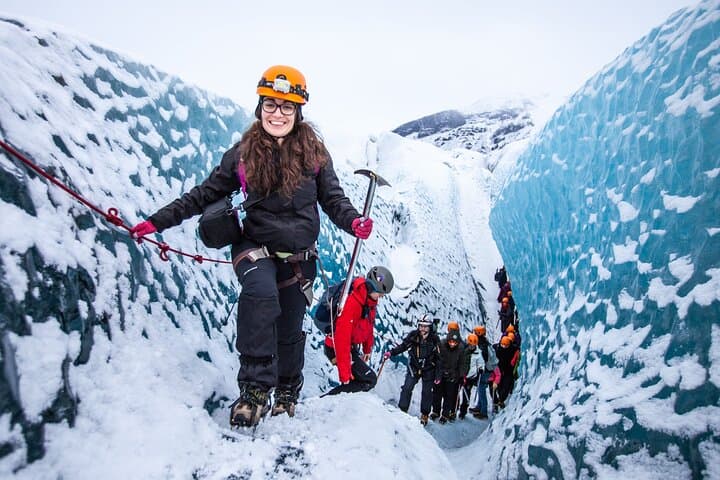
Beneath a sky of shifting light, Skaftafell’s ice reads like a map of time. This three-hour guided glacier hike mixes technical instruction with geology and culture: compact, safe, and unforgettable.