
What the day feels like
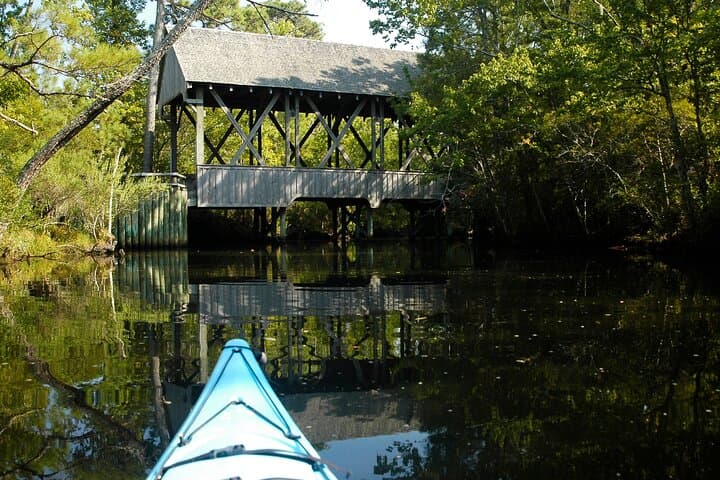
The morning air in Kitty Hawk feels like an invitation. Salt and pine, tide and soil—everything slows at the edge of the marsh as the sun strips color from the horizon. On the water the creek looks like a sheet of pewter, broken only where reeds part or a heron takes off with a slow, patient wingbeat. You push off from shore and the world narrows to the bow, the whisper of paddle blades, and the tidal creek daring you to discover the quieter side of the Outer Banks.
This is not ocean kayaking in the surf; it’s more intimate. The <a href='https://app.advcollective.com/local-experts/kayak-rental-on-the-outer-banks-paddle-kitty-hawk-woods'>Kayak Rental on the Outer Banks</a> drops you into one of the largest remaining tracts of deciduous maritime forest on the barrier islands—a place where black gum and live oak shade a braided ribbon of water and fiddler crabs mark the mud with their tiny moons. In two hours you’ll float through a landscape shaped by wind, salt, and history. You’ll pass under low-hanging branches, eyes level with oyster-laced banks, and you may glance up to see an osprey tilt like punctuation against the sky.
The marshes and creeks around Kitty Hawk are living geology. Barrier islands are restless—sediment drifts with storms, and creeks migrate. The maritime forest here clings to slightly higher ground, creating the canopy that shelters interior waterways from wind and open ocean swell. That shelter makes the creek glassy, slow-moving, and ideal for beginners, families, and anyone who wants to trade adrenaline for observation. It’s also why this rental operation sits right beside the Kitty Hawk Woods Coastal Reserve: the experience is as much about quiet ecology as it is about paddling.
Culturally, the Outer Banks is stitched from maritime lifeways—fishing, boatbuilding, and a lilt of seafaring lore. The islands have been home to Native communities, European settlers, and generations of fishermen who read weather in cloud and current. Along the creek, you’ll see clues of human history too: narrow dikes where early settlers tried to tame saltwater, and the occasional pilings of old docks now soft and tilted by tides.
Practical context: this is a two-hour, beginner-friendly paddling loop. The outfitter provides both sit-in and sit-on-top kayaks, plus specialty fishing kayaks and sea kayaks for more confident paddlers. Rentals start from $35, reservations confirm instantly, and free cancellation gives you flexibility when summer storms or travel plans change. Expect a calm, unstructured paddle—no guided narration is required, but the ecosystem will narrate itself if you listen.
What you’ll notice first is the soundscape. The rhythm of paddling is a metronome for other noises: a kingfisher’s rat-tat, a soft splash where a mullet breaks the surface, the rustle of leaves. Nature here has agency; the creek pushes you, the marsh funnels you, and the currents correct your course. On an ebb tide, the water seems to pull the world toward the sound of the ocean. On a flood, it carries salt and the smell of surf deeper into the woods. Timing your outing with the tide makes a difference—plan to launch either near high slack or the beginning of the ebb for the easiest return.
For families, this trip is forgiving: the creek is sheltered and shallow in many places, and the paddling distances are short enough to hold the attention of younger adventurers. For anglers, the outfitter’s fishing kayaks offer an accessible way to try saltwater angling in quiet backwaters where redfish and spotted seatrout cruise. For photographers, every bend is a potential composition—silhouettes of branches, mirror reflections, and the sudden shine of a bird taking flight.
How to plan it: book your slot online for the time you want; arrive 15–30 minutes early to fit life jackets and receive a quick orientation. Wear quick-dry layers, reef shoes or sandals with straps, and sunscreen—shaded stretches can still reflect light off water. Bring a small dry bag for phone and keys. Expect to be on the water roughly two hours; the route is unstructured, so you can turn early if you find a favorite cove.
Sensible safety notes: tides matter. If you’re venturing toward open inlet connections or unfamiliar creeks, check local tide tables and let someone know your plan. If wind picks up, sheltered channels can chop quickly; opt to paddle with the wind at your back for the return. The outfitter supplies PFDs and basic instruction—take a moment to practice a low brace in shallow water if you feel nervous.
Why book this trip? It’s the kind of adventure that teaches you to see: not the dramatic cliff-top vista, but the patient, layered story of a coastal ecosystem. It’s accessible for novices yet rewarding for anyone who likes wildlife, slow movement, and the tactile knowledge that hands-on travel gives—the kind you get when you push through marsh grass and discover a half-hidden channel. For two hours, the Outer Banks reveals itself in small, earnest ways.
If you’re planning a longer stay, combine this paddle with a sunset beach walk, a stop at a local seafood spot in Kitty Hawk or Kill Devil Hills, and a visit to nearby educational centers that explain barrier island dynamics. On land or water, the islands ask you to move a little slower—listen, look, and you’ll leave knowing the margins of the ocean a little better.
Trail wisdom
Small choices, better day.
Time it with the tide
Plan launches near high slack or early ebb for an easier return and gentler currents.
Bring a dry bag
Protect your phone, keys, and snacks—water is calm but splashes and brief rains happen.
Dress for sun and spray
Quick-dry layers, a hat, and reef shoes keep you comfortable in changing conditions.
Respect wildlife and shoreline
Keep a respectful distance from nesting birds and avoid dragging kayaks over fragile marsh banks.
Local knowledge
Read the place, not just the route.
Watch for native species including Osprey, Great blue heron.
Keep an eye out for wildlife during the transition between areas and habitats. Respect distance guidelines.
Kitty Hawk Woods is protected to preserve maritime forest habitat—stay on water channels and avoid trampling understory to minimize impact.
Follow the guide's instructions on size limits, ethical handling, and leave-no-trace practices.
Narrow back channels that show off mirrored reflections at low wind. Small oyster beds along the creek edges visible at low tide
Locally recommended viewpoints and quiet spots known best to local operators.
The maritime forests and creeks of the Outer Banks supported fishing and small-scale settlement patterns for centuries; these pockets of higher ground were critical to island life.
Maritime roots and regional tradition shape the waterways and working coasts.
Seasonal guide
Four versions of the same landscape.
Spring
Best forMigratory birdwatching · Mild temperatures
ChallengesUnpredictable weather · Higher insect activity
Spring brings migrating birds and comfortable paddling temperatures, but pack layers and bug repellent.
Summer
Best forWarm water paddling · Family outings
ChallengesHeat and sun exposure · Higher chance of afternoon storms
Summer offers warm water and long days—launch early to avoid heat and storms.
Fall
Best forFewer crowds · Pleasant water temperatures
ChallengesCooling nights · Potential tropical storm activity early/late season
Fall is ideal: quieter creeks, comfortable air, and clear wildlife viewing.
Winter
Best forQuiet solitude · Sharp light for photography
ChallengesCold water and air · Limited services on some days
Winter paddles are crisp and solitary—dress warmly and confirm rental hours ahead of time.
Operator details
What the booking data adds.
Included
- ✓Kayak, Paddle, and Life Jacket
Not included
- —Gratuity
Good to know
- ✓Infants and small children can ride in a pram or stroller
- ✓Service animals allowed
- ✓Public transportation options are available nearby
- ✓Not recommended for travelers with poor cardiovascular health
- ✓Suitable for all physical fitness levels
Pack with intention
What to bring.
Good to know
Common questions.
No—this rental is beginner-friendly and the creek is sheltered; staff will give a safety briefing and basic paddling tips.
Plan the edges
The details that make the day easier.
The Kitty Hawk Woods Coastal Reserve protects one of the largest tracts of maritime deciduous forest on the Outer Banks, an ecosystem increasingly rare along developed barrier islands.
After your paddle, grab fresh seafood or a casual plate at a local Kitty Hawk or Kill Devil Hills spot—look for waterfront fish shacks and small cafes to taste the region’s shrimp and local catch, or seek out a local brewery for a relaxed pint.
- Closest airport
- Norfolk International (ORF); Driving distance from Kitty Hawk town center: under 10 minutes; Cell service: reliable in town but patchy in sheltered creeks; Permits: none for rentals—just the reservation and safety briefing.
This area’s maritime forest and creeks are sensitive—pack out all trash, avoid disturbing wildlife, and stick to water channels to protect marsh roots and nesting birds.
Explore by topic
Follow the threads.
Keep exploring
Make the story part of the trip.
Set out from Bass Harbor for a private, customizable day on Blue Hill Bay — lighthouses, puffins, seals, and the chance to feel Acadia from the water. Small groups, local captains, unforgettable views.
In four hours you can move from shaded canyon ferns to wind-scoured coastal ridgelines, guided by someone who knows where the light—and the hidden views—live. This private half-day hike on the Monterey Peninsula or Big Sur is compact, curated, and perfect for travelers who want depth without a multiday commitment.
 Related story
Beneath a sky of shifting light, Skaftafell’s ice reads like a map of time. This three-hour guided glacier hike mixes technical instruction with geology and culture: compact, safe, and unforgettable.