
What the day feels like
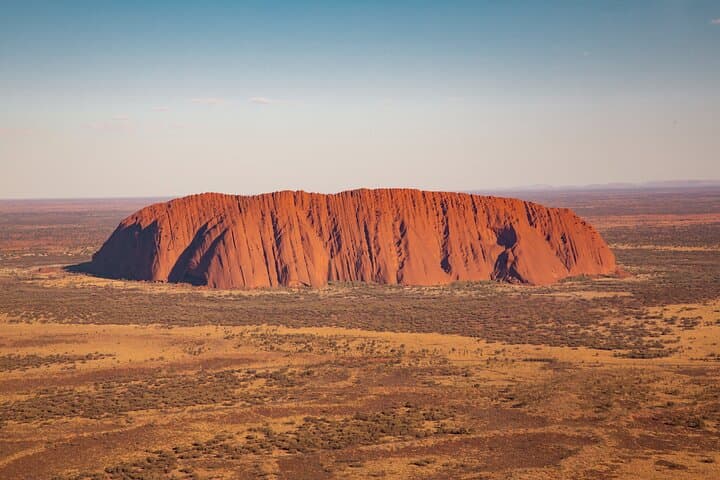
The bus eases away from the last ribbon of tarmac and the world becomes a study in ochre. Dust rises in lazy plumes, and Uluru, at first a brooding silhouette, swells into the horizon—its skin sunburnt and rippled with millions of years of wind and water. By night, the outback turns its lights off and hands you the sky: constellations you never knew had names, a soundless dome that seems to press you closer to the land. This is a tour that asks you to slow down; to trade speed for perspective; to let the desert set the pace.
Over seven days, the route threads between two types of Australian myth: the living cultural landscape of the Red Centre, and the resilient, sometimes uncanny settlements of South Australia—Coober Pedy’s subterranean homes and the folded spines of the Flinders Ranges. The itinerary is a deliberate contrast. Morning finds you in the soft hush beneath Uluru’s shadow, the guide translating Dreaming stories that tether rock to law. Afternoon has you learning to read tracks in claypan dust or leaning over a camp toilet under a sky so broad it makes your plans feel small and sensible.
Geology here is the patient kind: Uluru’s iron-rich sandstone, tilted and hardened 600 million years ago, gleams with an almost metallic red at sunrise and an icy purple by sunset. Further south, the Flinders Ranges are older still—metamorphic and folded, their serrated ridges born of plate collisions and epochs of erosion. Coober Pedy sits on a different kind of value: opal-bearing seams that have launched a century of single-minded digging. You’ll see the scars and the small triumphs—the white mounds of spoil, the squat dugouts that cut summer heat like a cold stone.
But this is more than a geological field trip. Indigenous culture is central to the experience: Anangu custodians at Uluru share songlines and prohibitions, and the walking pace of cultural transfer teaches more than a classroom. The tour’s evenings are intentionally simple: shared meals, a smoldering campfire, and the kind of conversation that swaps facts for feeling. That intimacy—between strangers, and between visitor and Country—feels like the tour’s true currency.
Practicalities don’t get lost in the romance. Expect long drives cushioned by the kind of breaks that matter: a lookout that rewards a short scramble, a snack stop where the breeze finds salt in our sweat. Nights range from camping beneath canvas to the novelty of an underground dugout in Coober Pedy, where staying below grade is both cool comfort and a cultural snapshot of resourcefulness.
Why go? Because the outback resists inattentiveness. It rewards those who arrive curious and prepared. You’ll leave with a more nuanced sense of Australia: how a single rock can be a map, how a desert will teach thirst and patience, and how communities have carved livable spaces from arid places.
If you’re planning this trip, manage expectations: this is not a luxury highway tour. It’s an immersive, multi-day journey that favors low-impact travel, cultural humility, and a tolerance for dust. Bring layers, respect sacred sites—Uluru is owned and managed in partnership with its traditional owners—and be prepared for sand in unlikely places. Hydration, sunscreen, and good footwear aren’t optional; they’re the same currency you’ll use to buy comfort and mobility.
On a practical level: pack for temperature swings—the desert can be freezing before dawn and hot by midafternoon—carry cash for small town curios and perhaps a cold beer at a pub, and keep a notebook. The outback is a place where small observations stack into lasting impressions: the way a gull’s shadow skims a roadside salt pan, the fresh geometry of a tire track, the sudden, private brilliance of an opal under a miner’s torch.
For travelers of varied experience—families, solo adventurers, and seasoned hikers—this tour offers layered rewards. Novices get a safe, structured entry into outback travel; experienced travelers will appreciate the cultural briefings and the off-beat stops. Most of all, it’s a week that insists you tune to a larger scale, where time is measured in sunrises over stone and the slow, steady work of listening.
If you go, come ready to leave something behind: assumptions, the need for constant convenience, and the hurry of the city. In return, you’ll gain a sense of how landscapes can be teachers, and how travel, at its best, aligns pace with place.
Trail wisdom
Small choices, better day.
Respect Sacred Sites
Uluru is a living cultural landscape—follow signage, attend guided talks, and do not climb the rock (climbing is permanently closed).
Hydrate Proactively
Carry at least 2–3 liters of water per day and sip regularly—outback heat and wind dehydrate faster than you think.
Layer for Temperature Swings
Mornings can be near-freezing and afternoons hot—pack a warm midlayer plus sun protection.
Protect Against Sun and Dust
Bring a wide-brim hat, high-SPF sunscreen, and a lightweight neck buff to shield against sun and grit.
Local knowledge
Read the place, not just the route.
Watch for native species including Red kangaroo, Wedge-tailed eagle.
Keep an eye out for wildlife during the transition between areas and habitats. Respect distance guidelines.
This is fragile desert country—stay on designated routes, minimize water use, and follow guidelines set by Indigenous custodians to reduce impacts.
Follow the guide's instructions on size limits, ethical handling, and leave-no-trace practices.
Coober Pedy dugout homes and small underground galleries. Brachina and Bunyeroo Gorges in the Flinders Ranges for geology and quiet walks
Locally recommended viewpoints and quiet spots known best to local operators.
Uluru-Kata Tjuta has been home to the Anangu people for tens of thousands of years; the park was returned to Anangu ownership in 1985 and jointly managed with Parks Australia.
Maritime roots and regional tradition shape the waterways and working coasts.
Seasonal guide
Four versions of the same landscape.
Spring
Best forWildflower displays in parts of the Flinders Ranges · Mild daytime temps for walking
ChallengesVariable weather, occasional rain · Dusty tracks after dry spells
Spring brings wildflowers and comfortable hiking temperatures, but expect sporadic weather and dusty roads in dry conditions.
Summer
Best forLong daylight hours · Less crowded tourist sites in some stretches
ChallengesHigh heat, risk of dehydration · Some remote services may reduce hours
Summer brings intense heat; plan early starts, avoid midday exertion, and verify services before arrival.
Fall
Best forCooler days ideal for exploration · Clear, crisp skies for photography
ChallengesCool nights can be chilly · Strong sun still a factor midday
Autumn offers stable, pleasant weather—great for long drives and morning walks—while nights can be cool.
Winter
Best forCool, comfortable hiking conditions · Excellent stargazing after cold, clear nights
ChallengesCold mornings and nights · Some remote camping spots may be less insulated
Winter is the most comfortable season for outback travel—crisp days and spectacular skies—bring warm sleep layers.
Operator details
What the booking data adds.
Included
- ✓All national park and entrance fees
- ✓All activities and experiences
- ✓Air-conditioned vehicle
- ✓Dinner
- ✓Breakfast
- ✓Storyteller Guide
Not included
- —Transfer Bus Ticket - Alice Springs to Yulara -- Inquiry directly
- —Field of lights Admission
Good to know
- ✓Not recommended for travelers with spinal injuries
- ✓Not recommended for travelers with poor cardiovascular health
- ✓Public transportation options are available nearby
- ✓Travelers should have at least a moderate level of physical fitness
- ✓This is an active tour and a reasonable level of fitness is required.
Pack with intention
What to bring.
Good to know
Common questions.
Yes—Uluru-Kata Tjuta National Park requires a park entry pass, which is usually arranged by tour operators for multi-day tours.
Plan the edges
The details that make the day easier.
Uluru-Kata Tjuta National Park was handed back to its traditional owners, the Anangu, in 1985 and is jointly managed—climbing Uluru is permanently prohibited to respect cultural wishes.
End your week in Adelaide with a visit to the Central Market for regional lamb and seafood, grab a craft beer in the East End, and in Coober Pedy try a miner’s pie—underground cafés offer a uniquely local atmosphere.
- Closest airports
- Ayers Rock (Connellan) Airport (start) and Adelaide Airport (finish); Typical driving legs are long—expect several 4–8 hour stretches; Cell service is limited across the route; Park pass required for Uluru-Kata Tjuta National Park; check operator details for dugout stays and local permits.
This tour travels through sensitive desert ecosystems and culturally significant sites—pack out all waste, conserve water, and follow Indigenous custodians’ guidance to minimize impact.
Explore by topic
Follow the threads.
Keep exploring
Make the story part of the trip.
Set out from Bass Harbor for a private, customizable day on Blue Hill Bay — lighthouses, puffins, seals, and the chance to feel Acadia from the water. Small groups, local captains, unforgettable views.
In four hours you can move from shaded canyon ferns to wind-scoured coastal ridgelines, guided by someone who knows where the light—and the hidden views—live. This private half-day hike on the Monterey Peninsula or Big Sur is compact, curated, and perfect for travelers who want depth without a multiday commitment.
 Related story
Beneath a sky of shifting light, Skaftafell’s ice reads like a map of time. This three-hour guided glacier hike mixes technical instruction with geology and culture: compact, safe, and unforgettable.