
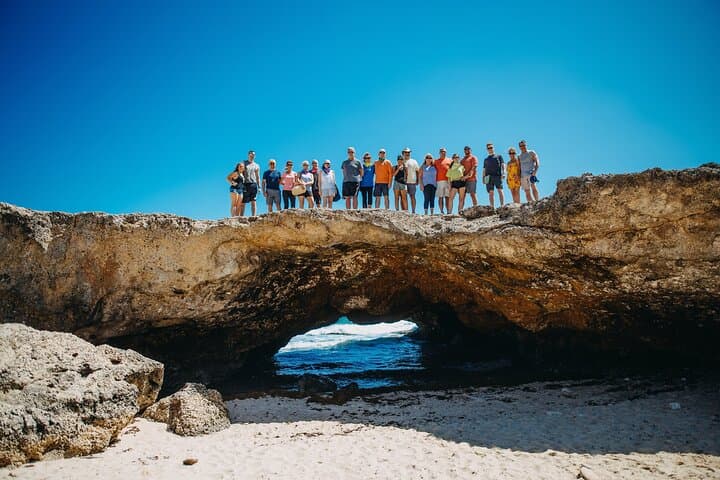
What the day feels like
The first taste of Aruba is wind—constant and unapologetic—pulling salt and sun across your skin as the coastline unspools like a film strip. You move with it in a rented 4x4, windows down, tires chewing on a mix of reef-strewn sand and compacted dirt. Headlands jut into the Caribbean, painted in iron reds and desert golds; the ocean to your left, a confident turquoise that dares you to linger. This is no passive sightseeing trip. The island answers when you press the throttle: a shock of spray at the Natural Pool, a sudden hush inside a mangrove, the way an abandoned limestone quarry looks like it was carved for a movie set. On a four-hour self-guided Jeep Tour Adventure, Aruba hands you its rougher edges and lets you make the call.
Aruba is geologically small but variegated. The island’s eastern third is an exposed limestone and quartz field—rugged, wind-sculpted, and semi-arid—while the western shore holds calmer bays and pale sand beaches. The arid landscape is not barren; divi-divi trees bend like outstretched arms, cacti stand guard, and the island’s scrublands host hidden springs and coastal pools. Historically, Aruba’s identity has been shaped by trade and migration. Indigenous Arawak history threads through the island, while Dutch colonial ties added ports, plantations, and the enduring practice of mixing flavors—resulting in local dishes like keshi yena and seafood stews that feel at once Caribbean and Dutch-influenced.
A self-guided 4x4 is the kind of trip that blends freedom with responsibility. The Viator product—bookable with instant confirmation—advertises a local pickup, a customizable route and drivers must be 25 or older with a valid license. The cost is on the higher side (from about $500 USD for this four-hour window), but what you’re paying for is access to terrain and moments most day-trippers miss: a private pivot into Arikok National Park’s outback, a stop to climb a ridge above the Natural Pool (‘Conchi’) where the surf organizes itself into an indifferent orchestra, and a quick drive-by of the California Lighthouse at sunset. Guides can tailor the route to your interests—beaches and swims, geological stops, or a culture-and-food loop through local fishing villages.
What makes the Jeep experience feel genuine is that the island demands participation. The natural pool, for instance, won’t come to you; the Jeep deposits you near a rock-carved entrance, and the water’s stillness pulls you into a small, protected swim where reef walls blot out the Atlantic’s fury. It is a moment of deliberate intimacy with the sea, and you’ll want a mask to see the small life that lurks in the clear cool. On inland tracks, the 4x4 becomes more than convenience; it’s a buffer against the rough ground—axles, tires, and ground clearance all matter when tracks narrow and rocks appear unannounced.
Practicalities keep this from being a romantic daydream. Pack water—lots of it—for the island is dry and the sun is honest. Wear sturdy shoes; flip-flops belong on the beach, not on scrubby, rocky trails. Fuel policy and insurance vary by operator, so confirm what’s included at booking. Cell coverage on Aruba is generally reliable near towns and main roads, but pockets of no-service are common in Arikok and eastern tracks. Bring a paper map or offline GPS route if you want to explore away from guided checkpoints.
Sustainability should be part of your itinerary. Stick to marked tracks, avoid driving through fragile coastal vegetation, and keep a respectful distance from wildlife. Aruba’s scrublands and coastal ecosystems are resilient but finite; a parked tire off the track can crush decades of slow‑growing flora.
At the end of your four hours, you’ll have images that don’t look like postcards because they’re not posed: a jagged shoreline frame, a washed-out quarry pool, a small lunch on the hood while a pair of frigatebirds evaluates your sandwich. That’s the point. The Jeep Tour Adventure isn’t about ticking every attraction off a list; it’s about choosing which parts of Aruba you want to know intimately, then driving them hard until the land tells you where to stop.
Who should book this? Travelers who value agency—those who want to design their own loop, swim in out-of-the-way coves, and spend time photographing ephemera rather than queuing for attractions. Families with older kids (and drivers 25+) will appreciate the private control; seasoned travelers who prefer moving at their own pace will relish the ability to linger. For a first-time visitor with limited time, a four-hour loop can be a high-value sampler; pair it with a follow-up day in Oranjestad for food and culture.
The logistics are simple: plan your route with your guide or rental company in advance, load up on water and reef-safe sunscreen, and give yourself a buffer for unscheduled stops. Let the island surprise you—Aruba will, in ways that feel deliberate and unforced.
By the time the Jeep turns back toward town, you’ll have more than photos: you’ll have earned a map of memory—salt on your skin, a handful of stories, and a clearer sense of why this small island rewards those who come prepared to explore.
Trail wisdom
Small choices, better day.
Pre-check your rental
Confirm insurance, fuel policy, and a spare tire with the operator before departure.
Hydrate and shade up
Bring at least 1.5 liters per person for a four-hour tour and a wide-brim hat; the sun is intense and wind dries you quickly.
Respect fragile habitats
Stay on established tracks, especially inside Arikok National Park, to protect slow-growing coastal plants.
Bring reef-safe sunscreen and a mask
If you plan to swim at the Natural Pool or nearby coves, these two items will improve your experience and protect marine life.
Local knowledge
Read the place, not just the route.
Watch for native species including Aruban whiptail lizards, Brown pelicans and frigatebirds along the coast.
Keep an eye out for wildlife during the transition between areas and habitats. Respect distance guidelines.
Parts of the island, especially Arikok National Park, are protected—stay on designated trails and avoid disturbing vegetation to reduce erosion and habitat loss.
Follow the guide's instructions on size limits, ethical handling, and leave-no-trace practices.
Conchi (the Natural Pool) accessed via rugged east-side tracks. Seroe Colorado cliffs and remnants of 19th-century phosphate quarries
Locally recommended viewpoints and quiet spots known best to local operators.
Aruba’s history blends indigenous Arawak roots with Dutch colonial influence; its strategic location made it a Caribbean hub for trade.
Maritime roots and regional tradition shape the waterways and working coasts.
Seasonal guide
Four versions of the same landscape.
Spring
Best forDry weather drives · Wildflower spotting · Calm seas for snorkeling
ChallengesOccasional trade winds · More visitors during spring break
Spring offers stable, sun-filled days—ideal for open-top drives and clear-water swims; expect breezy afternoons.
Summer
Best forLess crowded beaches · Long daylight hours · Warm water snorkeling
ChallengesHotter midday temperatures · Occasional short rain showers
Summer is hot and bright; mornings are best for bolder inland tracks when temperatures are cooler.
Fall
Best forQuieter trails · Reduced tourist volume · Soft evening light for photos
ChallengesHumidity increases · Higher chance of passing storms offshore
Fall brings fewer crowds and great light for photography—plan morning or late-afternoon drives to avoid heat.
Winter
Best forPeak dry-season conditions · Ideal for beach stops · Holiday travel
ChallengesBusiest travel season · Higher prices for rentals
Winter offers the most reliable dry weather and comfortable sea temps, but expect more visitors and book early.
Operator details
What the booking data adds.
Included
- ✓4 hour Jeep Tour
- ✓Pick-up/Drop-off
- ✓Local Guide
Not included
- —Deposit which requires a credit card
- —No Snorkeling, swimming equipment are included
Good to know
- ✓Infants and small children can ride in a pram or stroller
- ✓Service animals allowed
- ✓Public transportation options are available nearby
- ✓Specialized infant seats are available
- ✓Not recommended for travelers with spinal injuries
- ✓Not recommended for pregnant travelers
- ✓Not recommended for travelers with poor cardiovascular health
- ✓Travelers should have at least a moderate level of physical fitness
Pack with intention
What to bring.
Good to know
Common questions.
No special permit is required, but some areas like Arikok National Park have entry fees and rules—confirm with your operator if the planned route enters protected areas.
Plan the edges
The details that make the day easier.
Aruba lies outside the main Atlantic hurricane belt, which contributes to its reliably dry, sunny climate year-round—one reason it’s a popular winter escape.
After the drive, head to Oranjestad or Savaneta for fresh seafood and local favorites like keshi yena; try Balashi beer at a seaside kiosk or a casual restaurant—small fishing villages offer grilled snapper and a chance to trade stories with locals.
- Closest airport
- Queen Beatrix International Airport (AUA); Typical driving distance from Oranjestad: 15–45 minutes depending on route; Cell service: Good near towns, spotty in Arikok
- passes
- Arikok National Park charges entry—check operator route details.
Stick to established tracks, avoid driving over vegetation, and use reef-safe sunscreen to protect coastal and marine ecosystems.
Explore by topic
Follow the threads.
Keep exploring
Make the story part of the trip.
Set out from Bass Harbor for a private, customizable day on Blue Hill Bay — lighthouses, puffins, seals, and the chance to feel Acadia from the water. Small groups, local captains, unforgettable views.
In four hours you can move from shaded canyon ferns to wind-scoured coastal ridgelines, guided by someone who knows where the light—and the hidden views—live. This private half-day hike on the Monterey Peninsula or Big Sur is compact, curated, and perfect for travelers who want depth without a multiday commitment.
 Related story
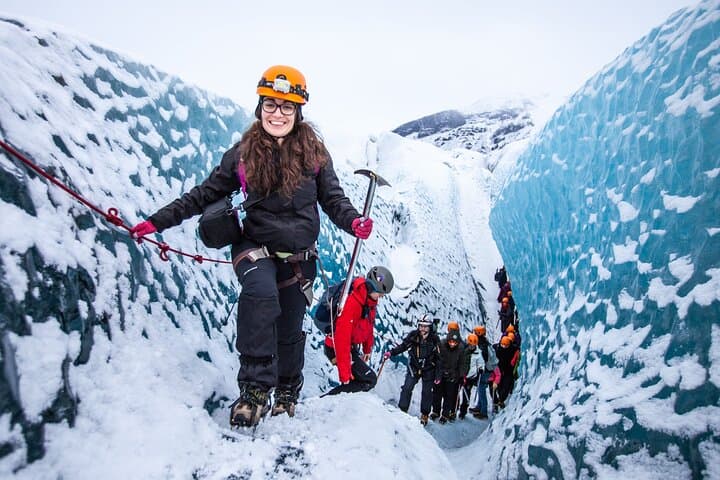
Beneath a sky of shifting light, Skaftafell’s ice reads like a map of time. This three-hour guided glacier hike mixes technical instruction with geology and culture: compact, safe, and unforgettable.