
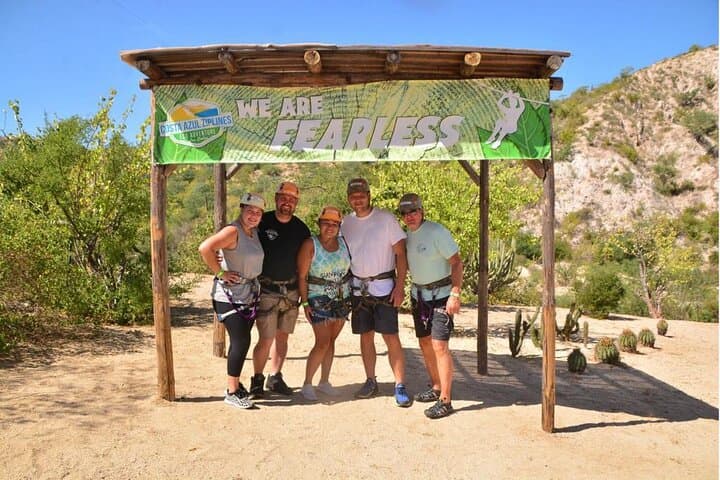
What the day feels like
The first moment you step off the platform, the world rearranges itself: wind threads under your jacket, the valley opens like a palm of scorched earth and green, and the canopy seems to lean in to watch. You don’t have to be an adrenaline addict to notice the difference—this is careful, engineered flight, a sequence of zips and rappels stitched together in a way that keeps the momentum honest and the smile steady. For three hours you trade a town’s hush for the sanctuary’s chorus: birds that punctuate silence, leaves rubbing like whispered advice, and the occasional rock that dares you to pay attention.
This experience, offered outside San José del Cabo on a protected ecological property, is best thought of as an introduction to vertical landscapes rather than a stunt show. The operators emphasize safety and efficiency: the braking is handled by pulleys rather than forcing participants to modulate speed with their hands, which keeps the experience accessible to first‑timers and easier on your palms. Certified guides—members of national climbing federations and experienced rescue professionals—run you through harness checks, clipping sequences, and the rhythm of moving from zip to zip, then to a rappel or across a suspension bridge that makes elevation feel usable instead of frightening.
The region’s geology explains the scene: low, craggy ranges of volcanic and sedimentary rock tumble toward the sea in folded ridges that fracture into gullies and arroyos. Over millennia water—often coy and seasonal—has carved channels where vegetation clings and birds congregate. The sanctuary itself sits at a crossroads of habitats: dry scrub, riparian pockets, and rocky outcrops. That mix is what makes this more than a thrill line; it’s a living classroom where the guide can point out how a cliff face records tectonic impatience or where a seasonal stream gathers stubborn green like jewelry.
Culturally, you’re in the broader Los Cabos corridor—an area shaped by a fishing tradition and, increasingly, tourism. San José del Cabo retains an artful, quieter personality compared with its flashier neighbor, Cabo San Lucas: galleries, a small historic center, and local seafood stands that reward you after a morning in the air. The tour’s staff often draw on local knowledge—what bird is on the wire, where the native fig tree drops the sweetest fruit—to color the technical instruction with human stories.
Practically speaking: the full itinerary runs about three hours from check‑in to return, with hands‑on time on the zips and rappels making up roughly half that window. The course mixes zip lines of varying lengths and angles, at least one controlled rappel, and a suspension bridge segment that provides a slower, scenic counterpoint. Terrain underfoot on approach trails is typically packed dirt with rocky stretches—good hiking shoes and a steady step go a long way. Expect modest elevation changes on the approaches and a few short climbs; nothing requires advanced technical climbing skill, but basic mobility matters.
Safety is central. The company advertises high‑grade gear—the same types used by rescue teams and elite climbers—and instructors who are certified by national bodies. Group sizes are kept manageable; guides personally check each harness and explain the pulley braking system before you push off. For parents, families, and mixed‑ability groups, the pulley braking design is a practical benefit: it reduces the learning curve for braking and lets you enjoy the sensation without the stress of mastering a new motor skill.
If you go: aim for morning slots when temperatures are cooler and the light slices into the ravines. Bring a small daypack, hydration, and a locked phone or camera you can secure to your harness. Budget about three hours for the activity itself and factor in 30–60 minutes on either end for travel and check‑in. The tour is priced from roughly $100 USD per person; there are often seasonal offers and free cancellation windows, so book early but keep an eye on deals.
Why it matters beyond the adrenaline: these canopy systems create access to landscapes many travelers would otherwise only glimpse from a road. They also put a premium on the caretaker ethic—guides are often local, the site is part ecological sanctuary, and part of the experience is learning to move through a place without leaving a mark. For anyone with a decent sense of balance and curiosity about the vertical world, it’s an efficient, memorable way to spend a morning in Los Cabos.
Trail wisdom
Small choices, better day.
Secure Small Gear
Use a strap or small carabiner to secure cameras and sunglasses to your harness—loose items can be lost on a zip line.
Hydrate Early
Drink water before you arrive and carry a small bottle; the desert sun dehydrates more quickly than you think.
Wear Closed‑Toe Shoes
Sturdy hiking shoes or trail runners protect your feet on approach trails and during landings.
Listen First, Ask Questions
Guides will brief safety sequences; ask about braking and clipping until you’re comfortable—there’s no dumb question here.
Local knowledge
Read the place, not just the route.
Watch for native species including Great blue heron, Southern lapwing (and other migratory shorebirds).
Keep an eye out for wildlife during the transition between areas and habitats. Respect distance guidelines.
The site operates on a protected ecological property—guides emphasize leave‑no‑trace practices and minimizing trail erosion during approaches.
Follow the guide's instructions on size limits, ethical handling, and leave-no-trace practices.
Early morning visit to the nearby estuary for birdlife before the tour. Small local seafood stands in San José del Cabo’s art district for post‑activity ceviche
Locally recommended viewpoints and quiet spots known best to local operators.
San José del Cabo grew as a mission and fishing town; the region’s coastline and estuaries have long been important for local communities and migratory birds.
Maritime roots and regional tradition shape the waterways and working coasts.
Seasonal guide
Four versions of the same landscape.
Spring
Best forMild temperatures · Birdwatching · Blooming desert flora
ChallengesOccasional windy days · Early season heat spikes
Spring brings stable weather and blooming scrub; mornings are ideal for zips before winds pick up in the afternoon.
Summer
Best forLonger daylight · Lush riparian spots after rains
ChallengesHigh heat and humidity · Seasonal thunderstorms
Summer can be hot—choose early slots and watch for afternoon storms that can close sections for safety.
Fall
Best forClear skies · Comfortable temperatures · Less crowding
ChallengesVariable winds · Transitioning vegetation
Fall is often the sweet spot: cooler days, excellent visibility, and fewer tourists compared with winter high season.
Winter
Best forDry, cool weather · Migration birdwatching · Holiday travel
ChallengesHigher demand and bookings · Cool morning temperatures
Winter is dry and pleasant, making for crisp views; book early, as this season sees the most visitors.
Operator details
What the booking data adds.
Included
- ✓Equipment (including safety equipment)
- ✓Round trip transportation
- ✓3 hours of adventure
Not included
- —Land restoration fee
Good to know
- ✓Suitable for all physical fitness levels
Pack with intention
What to bring.
Good to know
Common questions.
No prior experience is required; guides provide safety instruction and use pulley braking systems to make zips accessible for first‑timers.
Plan the edges
The details that make the day easier.
The San José del Cabo estuary is a protected stopover on the Pacific Flyway and supports numerous migratory bird species each year.
After the tour head to San José del Cabo’s Art District for seafood tacos or a cold cerveza; consider Flora Farms or a small local palapa for farm‑to‑table plates and community‑run eateries that showcase Baja ingredients.
- Closest airport
- Los Cabos International Airport (SJD). Driving to San José del Cabo: ~15–30 minutes. Trailhead: operator provides directions
- transfer. Cell service
- intermittent in the sanctuary. Permits: none beyond booking the tour.
This sanctuary emphasizes low‑impact access—pack out trash, stay on marked trails, and follow guide instructions to protect nesting birds and fragile vegetation.
Explore by topic
Follow the threads.
Keep exploring
Make the story part of the trip.
In four hours you can move from shaded canyon ferns to wind-scoured coastal ridgelines, guided by someone who knows where the light—and the hidden views—live. This private half-day hike on the Monterey Peninsula or Big Sur is compact, curated, and perfect for travelers who want depth without a multiday commitment.
 Related story
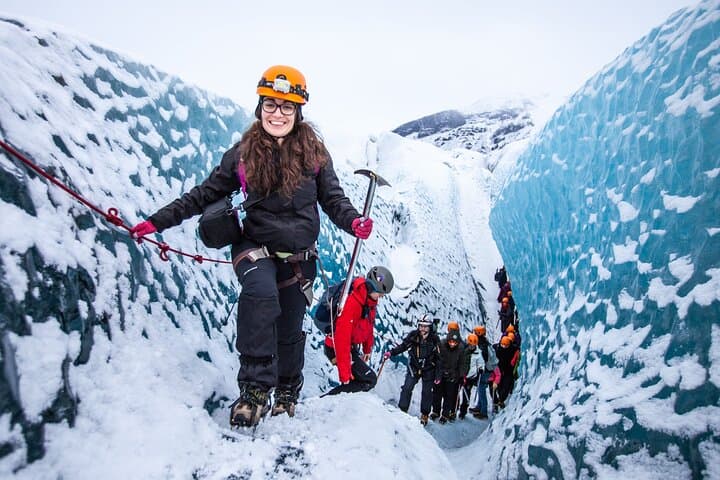
Beneath a sky of shifting light, Skaftafell’s ice reads like a map of time. This three-hour guided glacier hike mixes technical instruction with geology and culture: compact, safe, and unforgettable.
 Related story
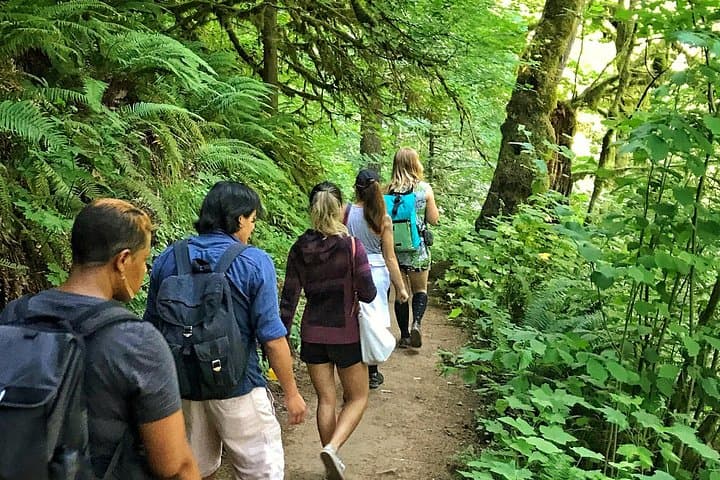
Lose the city for a few hours without leaving it: this 5-mile, 900-foot-gain Forest Park loop threads old-growth pockets, city viewpoints, and cultural landmarks for a compact taste of Portland’s wild side. Expect moss, roots, and stories.