
What the day feels like
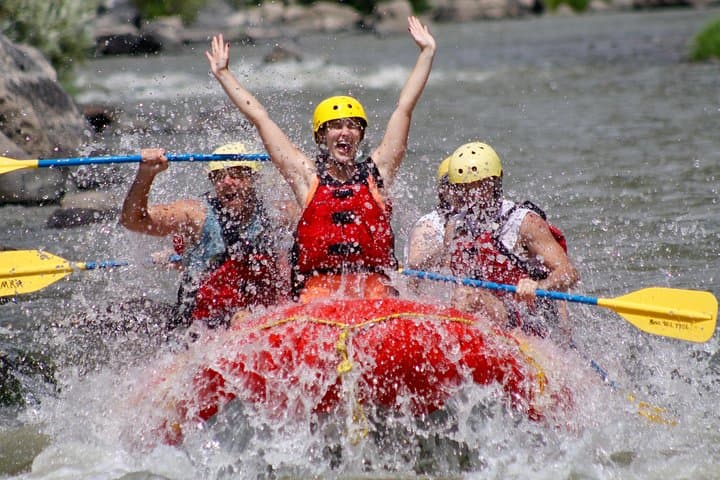
You push off from a quiet stretch of river and the world narrows to the sound of water and the scrubby sagebrush of mesa walls. For the first hour the boat drifts through the Orilla Verde section, a ribbon of green where cottonwoods lean like spectators and the current keeps time. Children lean over the gunwale looking for fish. An outfitter keeps rhythm with his paddle; his voice is low and steady, teaching everyone how to brace and read the water. Later, after a riverside lunch under an open sky, the tone changes: the channel steepens, waves and holes appear, and the afternoon itinerary promises a punchy run through the Racecourse, a stretch of reliable Class III rapids that wakes even experienced paddlers.
This is the cadence of the Rio Grande Gorge Full Day, a six-and-a-half-hour outing that mixes easy floating and instruction with real whitewater. It’s designed for families and first-time rafters—minimum age is usually five—yet it still delivers the visceral pull of the Gorge. Travelers meet at the operator’s Santa Fe headquarters at 8:30 a.m.; from there the trip moves to the river where the geology of northern New Mexico does much of the storytelling. The gorge itself is a deep incision carved as the Rio Grande tracked through a landscape of basalt flows and uplifted rift valley, producing 100- to 600-foot cliffs that frame long, quiet pools and sudden, teethy class III rapids.
This stretch of river runs through the Rio Grande del Norte National Monument, protected for its cultural and ecological value. The canyon’s walls hold stories—Pueblo communities and nomadic hunters navigated these corridors long before commercial rafting existed—and the modern trip reads like a condensed chapter of that history: petroglyphs and historic homesteads appear along the cliffs; seasonal flows reinvigorate cottonwood groves and draw raptors and river otters; volcanic geology forms the black-rock backbone of the canyon.
What makes the full-day trip appealing is its balance. The morning is deliberately gentle—good for families to settle into paddling, to practice strokes and learn how to ride eddies. There are scenic riverside lunch stops where guides grill and share local lore. The afternoon introduces the Racecourse, a concentrated, fun stretch of rapids that’s classically New Mexico: not terrifying, but technical enough to require teamwork and quick paddling. The day finishes with a mellow float back to the takeout, sun-on-skin and the satisfaction of having moved through such a dramatic landscape.
Practical details matter here. The operator runs a manual confirmation process; plan to secure your booking early in warmer months when tours are likely to sell out. The trip lasts roughly 6–7 hours and runs for a competitive price (from $165), making it a full-day activity that pairs well with overnight stays in Santa Fe or Taos. Safety gear—PFDs, helmets during rapids, and briefings—are standard; the guides are experienced and accustomed to mixed-ability groups.
If you’re plotting this into a New Mexico itinerary, think about timing and conditions. Spring runoff can mean higher flows and a more powerful Racecourse; summer offers warm weather and stable conditions; fall can bring cooler mornings and clearer light that makes the cliffs glow. Footwear that can get wet, layered clothing, and a sun hat turn an average raft day into a comfortable, memorable one. For booking and to check specific departure logistics, look for the Rio Grande Gorge full day trip with reputable outfitters online—this trip’s details and booking link with local operators are available here: <a href='https://app.advcollective.com/local-experts/rio-grande-gorge-full-day-rafting-scenic-float-lunch-class-iii-rapids-near-santa-fe'>Rio Grande Gorge Full Day rafting and scenic float</a>.
Why come? Because this run is simultaneously approachable and undeniably wild. It’s accessible to families and beginners yet provides technical water that keeps even repeat paddlers engaged. The canyon is scenically dramatic without the commitment of overnight wilderness trips; you can leave in the late afternoon and be back in Santa Fe for dinner. It’s a great single-day way to sample the geological theater of northern New Mexico, to see raptors on cliff ledges and cottonwoods in full leaf, and to feel the river’s push where it matters.
If you’re planning, choose a date when flows are comfortable for your group’s experience level and reserve spots early: this tour carries a high rating from several hundred reviewers and tends to fill during summer. Pack sun protection, a change of clothes, and a sense of curiosity. The Gorge will do the rest—pulling you through a day that’s equal parts instruction, excitement, and place-based scenery. For bookings, local info, and to secure a spot, see the operator’s full offering here: <a href='https://app.advcollective.com/local-experts/rio-grande-gorge-full-day-rafting-scenic-float-lunch-class-iii-rapids-near-santa-fe'>Rio Grande Gorge Full Day</a>.
Trail wisdom
Small choices, better day.
Wear Secure Footwear
Choose closed-toe water shoes or sandals with straps—rocky takeouts and quick portages are common.
Protect From the Sun
High desert sun is strong; use SPF 30+ sunscreen and bring a brimmed hat and sunglasses with a retainer.
Hydrate Early
Bring at least 1–2 liters of water and drink before you feel thirsty—river time and sun add up fast.
Listen to Your Guide
Briefings are short but essential—follow instructions for paddling and safety through the Racecourse.
Local knowledge
Read the place, not just the route.
Watch for native species including River otter, Golden eagle.
Keep an eye out for wildlife during the transition between areas and habitats. Respect distance guidelines.
This section of the Rio Grande is managed for both recreation and habitat—pack out all trash, respect riparian vegetation, and use biodegradable sunscreen to protect river ecosystems.
Follow the guide's instructions on size limits, ethical handling, and leave-no-trace practices.
Orilla Verde picnic beaches—quiet sandbars for lunch and short swims. Scenic overlooks along the northern rim near Pilar for late-afternoon light
Locally recommended viewpoints and quiet spots known best to local operators.
The Rio Grande Gorge sits within the Rio Grande del Norte National Monument and has long been a travel corridor for Indigenous communities; the canyon’s volcanic geology tells a story of rifting and lava flows.
Maritime roots and regional tradition shape the waterways and working coasts.
Seasonal guide
Four versions of the same landscape.
Spring
Best forHigher flows · Wildflowers · Learning strokes in moving water
ChallengesCooler mornings · Variable flows during runoff
Spring can mean stronger flows from snowmelt—great for a livelier Racecourse but bring warmer layers for chilly starts.
Summer
Best forWarm weather · Family bookings · Stable river conditions
ChallengesHigher demand and crowds · Strong sun exposure
Summer is ideal for families and warm floats; book early and plan sun protection and hydration.
Fall
Best forCrisp air and clear light · Fewer crowds · Scenic foliage along the banks
ChallengesCooler water temps · Shorter daylight
Autumn offers striking light on the canyon walls and quieter runs—layers and a quick-dry base layer are useful.
Winter
Best forOff-season solitude · Lower traffic on river · Clear, crisp panoramas
ChallengesCold temperatures · Limited run availability
Winter trips are less common; expect cold mornings and check operator schedules and minimums.
Operator details
What the booking data adds.
Included
- ✓World Class Guides
- ✓Safe, Secure Parking,
- ✓Full Service Headquarters
- ✓All rafting Equipment
- ✓Lunch
- ✓Signature, Hot Chicken Fajita Lunch
Not included
- —Gratuities
Good to know
- ✓Wheelchair accessible
- ✓Infants and small children can ride in a pram or stroller
- ✓Transportation options are wheelchair accessible
- ✓Suitable for all physical fitness levels
- ✓Children must be accompanied by an adult
Pack with intention
What to bring.
Good to know
Common questions.
The minimum age is typically 5 years old for most of the year, but confirm with the operator for specific dates and group makeup.
Plan the edges
The details that make the day easier.
The Rio Grande Gorge Bridge, a short drive from many river put-ins, spans roughly 565 feet above the river—one of the highest bridge decks in the United States.
After the river, head back to Santa Fe for green-chile dishes and craft beer—local spots like The Shed and Santa Fe Brewing Company offer hearty meals and local flavor; downtown Plaza galleries showcase regional artists and Pueblo cultural influences.
- Closest major airport
- Albuquerque (ABQ) ~1 hour drive to Santa Fe; Meeting point: Santa Fe operator HQ (confirm location when booking); Typical drive to river: ~60–90 minutes from Santa Fe; Cell service: Spotty in the gorge; Permits: No special permits—operator runs the trip and provides safety gear.
This trip travels through the Rio Grande del Norte National Monument—minimize impact by packing out all trash, avoiding trampling riparian plants, and using reef-safe or biodegradable sunscreen.
Explore by topic
Follow the threads.
Keep exploring
Make the story part of the trip.
Set out from Bass Harbor for a private, customizable day on Blue Hill Bay — lighthouses, puffins, seals, and the chance to feel Acadia from the water. Small groups, local captains, unforgettable views.
In four hours you can move from shaded canyon ferns to wind-scoured coastal ridgelines, guided by someone who knows where the light—and the hidden views—live. This private half-day hike on the Monterey Peninsula or Big Sur is compact, curated, and perfect for travelers who want depth without a multiday commitment.
 Related story
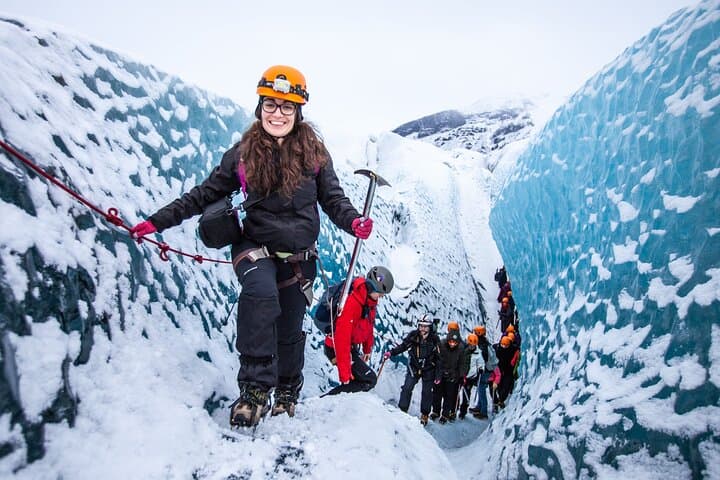
Beneath a sky of shifting light, Skaftafell’s ice reads like a map of time. This three-hour guided glacier hike mixes technical instruction with geology and culture: compact, safe, and unforgettable.