
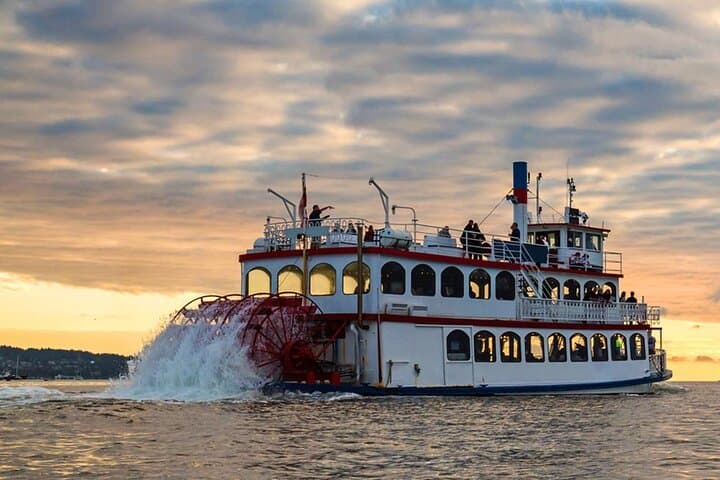
What the day feels like
The fog lifts off the Strait like a curtain and reveals a stitched edge of dark fir and rock. You stand on a suspension bridge that hums with the stories of a thousand footsteps, the planks swinging in time with the wind. Down below, a river cuts clean through old stone, daring you to look over the rails. This is the kind of entry point Vancouver’s wild fringe offers—an immediate recalibration from glass towers and ferry schedules to tree canopies and tide-sloping shores.
Over five days, this multiactivity tour stitches together those contrasts: suspension-bridge jitters and cathedral-like groves, the salt spray of whale country and the warm splash of BC’s best waterpark. It’s an itinerary designed for motion—walks, boat decks, waterfalls, and dinner cruises—each day calibrated to reveal a different mood of the Pacific Northwest.
Geology here reads like a field journal. Vancouver Island and the surrounding Gulf archipelago are a folded, faulted coastline—ancient bedrock rimmed by glacial till and shaped by sea-level change. Old-growth pockets—Cathedral Grove and the moss-draped stands that give the island its mythic reputation—are living archives: Douglas firs and western red cedars that have stood for centuries. Their trunks hold time in the same way the sea holds stories of salmon runs and whales.
Culturally, this place is first and always Indigenous territory. The Coast Salish, Nuu-chah-nulth and Kwakwakaʼwakw peoples have fished and navigated these waters for millennia. In many tours, local Indigenous guides and interpretive centers provide context—an important reminder that any adventure here is layered with deep human histories, ongoing cultures and contemporary stewardship.
Practicality anchors the romance. Days are active: expect three- to five-hour blocks of movement broken by ferry rides or scenic drives. The bridge walk (think Capilano-class suspension bridges) is a short, vertiginous loop — roughly 0.8–1.5 km of boardwalks and viewpoints, with your stomach doing as much work as your legs. Old-growth hikes range from gentle 2–5 km loops on packed forest trails, with minimal elevation gain but the occasional root-and-rock scramble. Whale-watching excursions tend to be 3–4 hours on the water; trips go farther when marine life activity demands it, so be prepared for a day that stretches and contracts with the tides.
Wildlife is a constant variable. Orcas and humpbacks patrol the Salish Sea; bald eagles quarter the shorelines; black bears root the underbrush in summer months. Operators who run whale watches on this route follow strict distance and noise regulations—part of an increasing move toward “whale-smart” tourism—and many will brief passengers about how to behave around marine mammals. Your best sightings often arrive early in the morning or late in the afternoon, when the light sharpens and the ocean’s rhythm changes.
For planners: timing matters. Summer is predictably the busiest and most forgiving weather-wise; late spring and fall offer fewer crowds and rich migratory life but more variable seas. Bring layers. Bring patience. And bring curiosity—some of the best moments happen off-itinerary, the way a sunset cruise slows and allows a pod of orcas to glide alongside the boat.
The logistics are forgiving for mixed-ability travelers. The days are active but not technical: you won’t need ropes, but you will want good hiking shoes for muddy trails and a waterproof shell for a surprise shower. Hydration and sun protection are deceptively important here—the air can be cool while the sun still burns your neck on exposed viewpoints. Sea-sickness meds are worth their weight if you’re prone to rolling decks.
This tour’s payoff is in the variety: a suspension-bridge thrill, the hushed awe of old-growth forests, the salty drama of whale country, and a celebratory dinner cruise that slides into sunset. It’s a reminder that the Pacific Northwest is not one scene but a sequence—shoreline to peak to rainforest—and that the best multi-day trips let you feel that transition under your feet and behind your eyes.
Who it’s for: travelers who like their adventure with a pragmatic edge. You’ll want some baseline fitness—short hikes and multi-hour days—but you don’t need mountaineering experience. Families, solo travelers and small groups all find something here: parents trade slides at Cultus Lake Waterpark, couples book the sunset cruise, and photographers stake out eagles at dawn.
How to make the most of it: travel light but smart. Start early on whale-watch days. Let the local interpretive talks guide your expectations about wildlife behavior. Use downtime on ferries to read up on First Nations histories for context that will deepen your walk through forest and shore.
At the end of five days, you’ll find the city’s skyline feels different—smaller, slower—because you’ve met the coastline on its own terms. The suspension bridge that once made your knees tight will now be a reference point, a little test you passed. That’s the quiet virtue of a well-balanced multiactivity tour: it doesn’t just show you a place, it teaches you how to move through it.
If you’re booking this trip, bring an appetite for motion, a respect for space (animal and human), and a pair of binoculars that can resolve the silver flash of a humpback’s tail offshore. The rest is strategy: good boots, a dry bag, and the willingness to let the weather decide the route.
Because nature here has personality—rivers that rush like they mean it, forests that hush the loudest voices, and a sea that nudges your boat when the whales come by. And if you listen closely, you’ll hear the island answering back.
Trail wisdom
Small choices, better day.
Layer for the microclimates
Expect cool mornings and sudden sun; pack a breathable waterproof jacket and a warm midlayer to adapt quickly between forest shade and exposed viewpoints.
Bring sea-sickness protection
Whale-watching trips are 3–4 hours and can get choppy; take non-drowsy medication or use acupressure bands if you’re prone to motion sickness.
Respect marine wildlife
Stay quiet on approach, follow guides’ distance rules, and avoid using flash photography near cetaceans to minimize disturbance.
Footwear matters
Trails can be muddy with roots and rock; wear sturdy hiking shoes with good traction rather than casual sneakers.
Local knowledge
Read the place, not just the route.
Watch for native species including Orca (Southern Resident and transient populations), Bald eagle.
Keep an eye out for wildlife during the transition between areas and habitats. Respect distance guidelines.
Operators increasingly follow 'whale-smart' guidelines and local parks enforce trail protections—pack out waste, stay on trails, and follow wildlife viewing codes.
Follow the guide's instructions on size limits, ethical handling, and leave-no-trace practices.
Cathedral Grove (MacMillan Provincial Park) for ancient Douglas firs. Fisherman’s Wharf in Victoria for casual seafood and colorful houseboats
Locally recommended viewpoints and quiet spots known best to local operators.
Vancouver Island is traditional territory of several First Nations, including Coast Salish and Nuu-chah-nulth peoples—many cultural centers and guided experiences on tours emphasize Indigenous stewardship.
Maritime roots and regional tradition shape the waterways and working coasts.
Seasonal guide
Four versions of the same landscape.
Spring
Best forWhale migrations · Fewer crowds · Wildflower blooms
ChallengesUnpredictable weather · Cool sea temperatures
Spring brings migrating whales and early blooms; expect cool, changeable weather and fewer tourists than summer.
Summer
Best forStable weather · Warm water activities · Long daylight hours
ChallengesHigher crowds · Booked-out tours
Summer is the easiest season for clear days, calm seas and maximum access—book admissions and whale watches in advance.
Fall
Best forAutumn colors in forests · Safer wildlife viewing · Lower prices
ChallengesRainier days · Shorter daylight hours
Fall offers dramatic color and quieter trails but more rain and earlier sunsets—layers and waterproof gear are essential.
Winter
Best forMoody coastal photography · Storm-watching · Off-season solitude
ChallengesRough seas · Trail closures or limited services
Winter is dramatic but raw; expect frequent storms and some tour cancellations due to marine or road conditions.
Operator details
What the booking data adds.
Included
- ✓Tickets Vancouver Harbour Cruise Ride+ Sunset Dinner
- ✓Air-conditioned vehicle
- ✓Admisssion Tickets Capilano Suspension,Grouse Mountain,Whale watching tickets,
- ✓Transport by AC Vehicle
Not included
- —Additional Stopping Charges
- —Gratuities
Good to know
- ✓Specialized infant seats are available
- ✓Public transportation options are available nearby
- ✓Suitable for all physical fitness levels
Pack with intention
What to bring.
Good to know
Common questions.
Moderate—expect multiple half-day hikes (2–5 km) and 3–4 hour boat trips; no technical climbing skills required but good mobility helps.
Plan the edges
The details that make the day easier.
Cathedral Grove in MacMillan Provincial Park on Vancouver Island contains Douglas firs and red cedars that are up to 800 years old, representing one of the largest remaining stands of old-growth temperate rainforest in the region.
After a day on the trails, head to Victoria’s Fisherman’s Wharf for fresh spot prawns or a casual seafood plate; sample local craft beers in Victoria or Nanaimo—try a cedar-plank salmon at a waterfront pub to tie the day together.
- Closest airport
- Vancouver International Airport (YVR). Typical meeting point: downtown Vancouver. Driving
- ferry time to Victoria
- ~3.5–4 hours including Tsawwassen–Swartz Bay ferry. Cell service: reliable near cities and major parks, patchy in remote coves. Permits: provincial park day fees possible; no special permits for whale watches but operators follow federal wildlife regulations.
Choose operators that follow 'whale-smart' guidelines, remain on marked trails, pack out all trash, and avoid feeding wildlife to minimize human impact on fragile coastal and marine ecosystems.
Explore by topic
Follow the threads.
Keep exploring
Make the story part of the trip.
In four hours you can move from shaded canyon ferns to wind-scoured coastal ridgelines, guided by someone who knows where the light—and the hidden views—live. This private half-day hike on the Monterey Peninsula or Big Sur is compact, curated, and perfect for travelers who want depth without a multiday commitment.
 Related story
Beneath a sky of shifting light, Skaftafell’s ice reads like a map of time. This three-hour guided glacier hike mixes technical instruction with geology and culture: compact, safe, and unforgettable.
 Related story
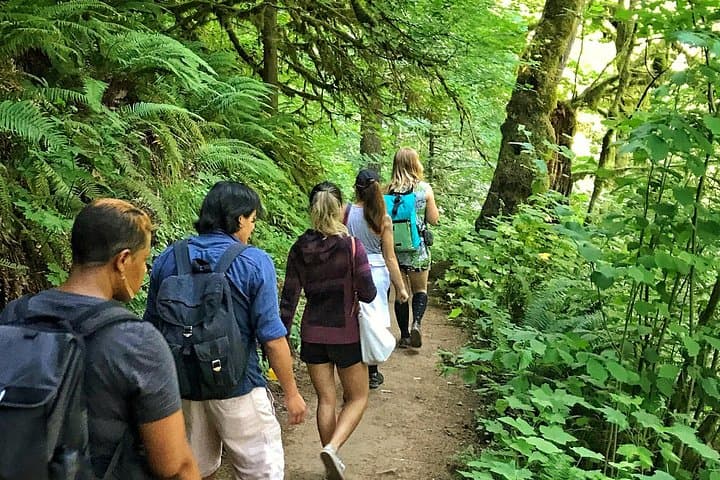
Lose the city for a few hours without leaving it: this 5-mile, 900-foot-gain Forest Park loop threads old-growth pockets, city viewpoints, and cultural landmarks for a compact taste of Portland’s wild side. Expect moss, roots, and stories.