
What the day feels like
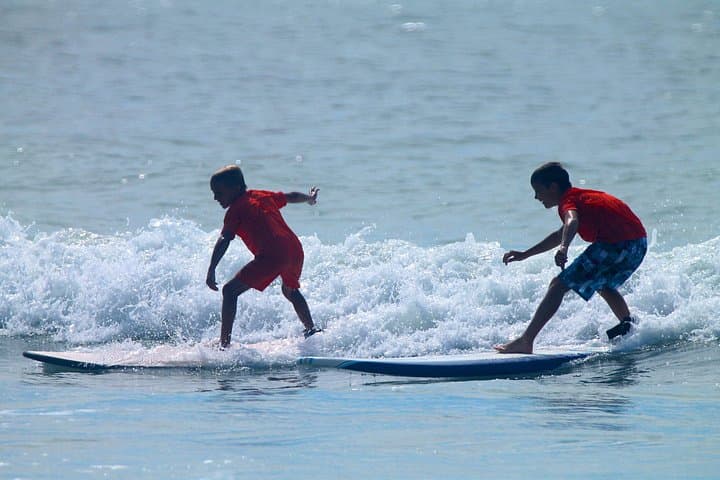
The ocean in North Myrtle Beach does not wait for permission; it shapes the morning. On a pre-dawn stretch of sand, the Atlantic paces itself in metronomic sets, each swell rolling in like a new invitation. Your instructor stands waist-deep, board under one arm, scanning the horizon with the casual focus of someone who reads surf the way others read weather. The water pulls your attention, daring you to step beyond the safe, flat world of the shoreline. That tug — curious, insistent, alive — is the first thing you learn to answer.
A private surf lesson here is a short education in how to belong to the sea for 90 minutes. Kokopelli Surf Camp supplies foam learning boards and an instructor whose job is partly safety, partly coaching, and largely encouragement. For true beginners, the experience reduces the ocean to manageable steps: timing, paddle strength, pop-up technique, and where to plant your feet so the board becomes an ally instead of a hurdle. For nervous parents and adventurous retirees, this combination of individual attention and well-designed equipment accelerates progress. The instructors are CPR- and First-Aid-certified, but more importantly they understand the small, joyful math of catching your first shoulder-high wave.
This part of the Grand Strand has a low, honey-colored beach and a long, shallow shelf that builds forgiving, rideable waves on many days of the year. Geologically, the Grand Strand is a passive margin coastline; sand migrates with currents and storms, creating the wide beaches and occasional sandbars that make surf lessons feasible for learners. Culturally, Myrtle Beach and its sister city North Myrtle Beach have been shaped by tourism since the mid-20th century, evolving from quiet seaside settlements into a regional playground. Surf culture here is practical and communal: local shops, poured-sand parking lots, and small surf schools coexist with the piers, family arcades, and seafood shacks that define the area.
The lesson itself is simple in structure and precise in effect. On sand you learn the pop-up: forehand flat, hips centered, eyes forward. Then into the water for paddling and positioning. Your instructor watches how you paddle and stands nearby as you catch your first wave, sometimes pushing the board to give it the right angle. There is a small, sharp thrill when everything aligns — the timing, the push, the feel of the board tracking down the face of a wave. The ocean seems to pull a little harder right then, as if approving your attempt.
Expect the sensory details: the grainy hiss of sand underfoot, salt on your lips, the warm pressure of a neoprene rashguard, the distant cry of gulls rehearsing lines. Dolphins are common offshore; seeing one glide parallel to a learner is both a humbling and exhilarant moment. Respecting the coastline is part of the lesson, too: instructors will brief you on local hazards, rip currents, and the area’s protected wildlife, including sea turtle nesting season that runs roughly from May through October.
Why take a private lesson instead of a group class? Privacy speeds learning. Instructors tailor drills to your body mechanics and confidence, and the one-on-one dynamic reduces anxiety for first-timers. For travelers looking to maximize a short visit — a single morning between flights or a break from boardwalk attractions — a 90-minute private session delivers measurable progress and a memory that often defines the trip.
Practicalities matter as much as romance. The lesson lasts about 90 minutes, and pricing starts from around USD 80 per person. Most tours provide boards designed for learners, flotation support, and instruction, so you only need to arrive in a swimsuit and comfortable clothes to change into. Sunscreen is essential; the sun off the water is brighter and more corrosive than midday shade. If you are traveling with children, check the minimum age and swimming requirements — instructors will assess water confidence before entering.
Safety and timing are straightforward: morning sessions offer cleaner waves and fewer crowds, while late afternoon can offer softer light and slightly warmer water. The season affects conditions; summer brings warmer water and steady beach break surf, while fall can offer more powerful, longer-period swells. This is a beginner-friendly stretch of coastline most of the year, but instructors will postpone sessions in high surf or dangerous currents.
After the lesson, the Grand Strand embraces you with options. Walk the boardwalk for a cold beer and fried shrimp, catch a sunset over the pier, or simply sit on the sand and replay the moment you stood up and rode a wave. For many travelers, a private surf lesson becomes the hinge of their trip — the thing they tell friends about, the small triumph they carry home.
If you go, plan smart: hydrate the day before, protect exposed skin with reef-safe sunscreen, and come with reasonable expectations. Surfing is an accumulation of small skills. A single lesson will get you standing and smiling; more time in the water will turn that smile into muscle memory. And the ocean, which dared you the first time, will be waiting when you return.
Trail wisdom
Small choices, better day.
Arrive Early for Softer Waves
Morning sessions often have smaller, cleaner waves and fewer beachgoers, which makes learning easier.
Use Reef‑Safe Sunscreen
Apply water-resistant, reef-safe sunscreen before entering the water to protect skin and local marine life.
Tell Your Instructor About Swim Comfort
Be honest about your swimming ability so the instructor can adjust drills and safety measures accordingly.
Stay Hydrated and Light
Drink water before the lesson and avoid heavy meals right before heading into the surf.
Local knowledge
Read the place, not just the route.
Watch for native species including Bottlenose dolphins, Shorebirds including sandpipers and plovers.
Keep an eye out for wildlife during the transition between areas and habitats. Respect distance guidelines.
Sea turtle nesting occurs locally from May through October, so avoid marked nesting areas and use red lights at night to protect hatchlings.
Follow the guide's instructions on size limits, ethical handling, and leave-no-trace practices.
Cherry Grove Fishing Pier for dolphin sightings and sunset views. Quiet public-access points north of Main Street for fewer crowds
Locally recommended viewpoints and quiet spots known best to local operators.
The Grand Strand developed into a major tourist destination during the mid-20th century; surfing became part of the coastal recreational fabric alongside fishing and beachfront entertainment.
Maritime roots and regional tradition shape the waterways and working coasts.
Seasonal guide
Four versions of the same landscape.
Spring
Best forFewer crowds · Mild air temperatures
ChallengesCooler water · Occasional windy days
Spring brings milder crowds and improving conditions; a thin wetsuit or rashguard may be needed on cooler mornings.
Summer
Best forWarm water · Consistent beach breaks
ChallengesStrong sun · Bigger crowds on weekends
Summer offers the gentlest learning conditions and warm water, but go early to avoid peak crowds and sun exposure.
Fall
Best forStronger swells · Longer rides
ChallengesVariable weather · Occasional storms
Fall can bring more powerful surf and longer rides that accelerate skill development, but instructors will monitor storm systems closely.
Winter
Best forQuieter beaches · Fitter local surfers to watch
ChallengesCooler water temperatures · Less predictable swells
Winter lessons are possible with proper wetsuits; water is colder and conditions can be choppier.
Pack with intention
What to bring.
Good to know
Common questions.
Yes—you should be comfortable in the water and able to tread or float; instructors will assess your comfort and modify the session if needed.
Plan the edges
The details that make the day easier.
The Grand Strand is about a 60-mile stretch of continuous beach along South Carolina’s coast, making it one of the longest developed beachfronts in the United States.
After a lesson, head to a nearby seafood shack for locally caught shrimp or a cold craft beer at a coastal brewery; Main Street and the Cherry Grove area offer casual restaurants, family-run cafés, and beachfront bars popular with surfers.
- Closest airport
- Myrtle Beach International Airport (MYR). Typical drive to North Myrtle Beach: ~15–25 minutes (10–12 miles). Meeting point: public beach access in North Myrtle Beach (operator confirms exact spot). Cell service: generally good along the Strand. Permits: none required for private lessons.
Use reef-safe sunscreen, avoid walking on dunes, and respect marked sea turtle nesting areas; pack out all trash to protect fragile coastal habitats.
Explore by topic
Follow the threads.
Keep exploring
Make the story part of the trip.
Set out from Bass Harbor for a private, customizable day on Blue Hill Bay — lighthouses, puffins, seals, and the chance to feel Acadia from the water. Small groups, local captains, unforgettable views.
In four hours you can move from shaded canyon ferns to wind-scoured coastal ridgelines, guided by someone who knows where the light—and the hidden views—live. This private half-day hike on the Monterey Peninsula or Big Sur is compact, curated, and perfect for travelers who want depth without a multiday commitment.
 Related story
Beneath a sky of shifting light, Skaftafell’s ice reads like a map of time. This three-hour guided glacier hike mixes technical instruction with geology and culture: compact, safe, and unforgettable.