
What the day feels like
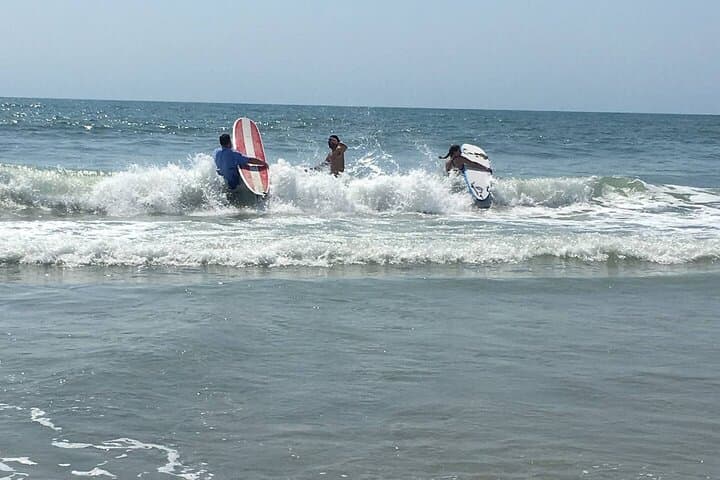
Morning salt and a thin band of offshore wind lift the Atlantic into a glassy promise. An instructor clips a leash to a foam board, offers a quick nod and the group steps through shallow breakers toward a shoulder of white water that looks less like an obstacle and more like an invitation. This is Wrightsville Beach: a short bridge from Wilmington and, for a 90-minute slice of your day, a place to learn the looping rhythm of surfing without pretense. The lessons here aren’t about conquering the ocean; they’re about finding a reliable way to move with it.
Wrightsville Beach’s shoreline is the kind of barrier-island geography that teaches respect. It’s a narrow strip of sand born from longshore drift and seasonal storms; its breaks range from soft, forgiving beach peaks to punchier end-breaks on certain sandbars. That variety makes the stretch ideal for instruction—beginners get predictable, smaller waves in the protected inside peaks while slightly experienced paddlers can edge out toward faster shoulders.
The local surf culture wears its hospitality lightly. Wilmington’s surf community is small but seasoned: lifeguards with a decade of jet-ski rescues, shop owners who wax boards and offer tide charts, and instructors who learned to read the inlet as a living map. When you book surf lessons at Wrightsville Beach, expect a mix of practical coaching—how to pop to your feet, how to angle off a wave—and local briefing: where the rips live on a given day, which peak is crowded, and the etiquette that keeps surfers sharing space.
There’s history in the sand, too. Wrightsville Beach evolved in the 20th century as a seaside escape for Wilmington, its wooden piers and beachfront cottages giving way to modern tourism while retaining the island’s maritime character. Geologically, the beach cycles; storm seasons reshape it, and sandbars migrate. That’s why lessons focus on fundamentals that transfer: board position, paddling efficiency, and an awareness of tides and current—skills that survive a shifting shoreline.
A practical edge is part of the lesson plan. Instructors tailor the session to the tide and swell, and high-quality beginner boards and leashes are provided, so you don’t need to haul gear from home. Expect a 90-minute lesson that begins on sand—safety talk, a quick pop-up drill, then into the water for guided, hands-on runs. For first-timers, the objective isn’t a dramatic ride down a face; it’s a controlled pop-up and a few seconds upright so you learn the timing and balance that lead to real confidence.
Safety is emphasized without being preachy: respect the lifeguards, watch the rip currents, and learn when to bail. Instructors teach surf etiquette—don’t drop in on someone’s wave, communicate your line, and yield to the surfer closest to the peak. Environmental awareness is part of the package as well; the local guides promote reef-safe sunscreen and a low-impact attitude toward dunes and shorebird habitat.
Practical planning matters. Morning sessions often offer the most consistent conditions—less wind, smaller crowds, and warmer sunlight to heat a wet suit quickly. September and early fall bring cleaner swell and fewer summer crowds, but warm summer water makes the experience forgiving for those who prefer just trunks and rashguards. For anyone traveling to Wilmington, lessons like these are an efficient way to connect with the coast: you leave with a new skill, local knowledge, and a list of after-surf recommendations from people who surf every week.
If you want a short, measured immersion into North Carolina surf culture, sign up for a <a href="https://app.advcollective.com/local-experts/learn-to-surf-at-wrightsville-beach-wilmington-nc-surf-lessons-for-beginners">surf lesson at Wrightsville Beach</a>. The format suits travelers who want to try something active without committing to a multi-day surf camp. After your lesson, you’ll be pointed to local spots where small crowds and forgiving sandbars make regular practice realistic; instructors also share tide windows and the quieter weekdays to return on your own.
This is not a dramatic, cinematic transformation—rarely is learning to surf. It’s incremental: the handful of small successes on modest waves that add up to a broader understanding of ocean behavior and a new way to spend an hour in the water. For casual travelers, it’s a memorable story and a sun-soaked physical challenge. For the adventurous, it’s a practical primer that sets you up to scout new breaks along the North Carolina coast.
Whether you’re chasing the neat thrill of standing for the first time or you’re looking to refine a pop-up, Wrightsville Beach’s lessons marry local expertise with the island’s accessible surf. The ocean keeps its edge—rips form, sandbars shift—but with a good instructor and a 90-minute window, you leave better equipped to read the water and keep returning for more, one taught session at a time. Book a spot, bring reef-safe sunscreen and a willingness to fall, and let a local guide show you how the Atlantic asks you—gently—to play on its terms. For booking and specifics, visit the local experts page for <a href="https://app.advcollective.com/local-experts/learn-to-surf-at-wrightsville-beach-wilmington-nc-surf-lessons-for-beginners">Learn to Surf at Wrightsville Beach</a>.
Trail wisdom
Small choices, better day.
Hydrate Before You Paddle
Drink 16–20 oz of water before your lesson; paddling is deceptively aerobic and you'll lose fluids quickly in sun and salt.
Wear a Rashguard or Wetsuit
Water temps vary—bring layers to avoid chafing and stay comfortable; instructors typically provide boards and leashes.
Learn Rip-Read Basics
Ask your instructor to point out rip currents and safe exit points during the beach briefing so you can spot them independently.
Use Reef-Safe Sunscreen
Apply at least SPF 30 and reapply after the session; reef-safe options protect both you and local marine life.
Local knowledge
Read the place, not just the route.
Watch for native species including Brown pelican, Dolphin pods commonly seen nearshore.
Keep an eye out for wildlife during the transition between areas and habitats. Respect distance guidelines.
Use reef-safe sunscreen, avoid trampling dunes, and follow local guidelines to protect critical shorebird nesting areas.
Follow the guide's instructions on size limits, ethical handling, and leave-no-trace practices.
The end of the south pier at sunrise for glassy conditions and shoreline birdlife. Nearby Masonboro Island (boat access) for quieter paddling and shelling excursions
Locally recommended viewpoints and quiet spots known best to local operators.
Wrightsville Beach developed as a seaside destination in the early 20th century and remains a small barrier island shaped continually by storms and longshore processes.
Maritime roots and regional tradition shape the waterways and working coasts.
Seasonal guide
Four versions of the same landscape.
Spring
Best forMild crowd levels · Warmer spring swells · Surf technique practice
ChallengesCooler water temps · Unstable spring storms
Spring offers manageable swells and fewer crowds, though water can be cool—wear a thin wetsuit on chillier days.
Summer
Best forWarmer water · Family-friendly lessons · Consistent gentle waves
ChallengesBigger crowds · Onshore afternoon winds
Summer is ideal for comfort and predictable small waves, but arrive early to beat the crowds and wind.
Fall
Best forCleaner swells · Smaller crowds · Comfortable air temps
ChallengesOccasional hurricane swell windows · Variable sandbars
Fall often brings some of the best surf conditions—cleaner lines and fewer tourists—making it the optimal season to learn.
Winter
Best forBigger swells for advanced practice · Fewer beachgoers · Clearer skies
ChallengesCold water · Stronger winds and rougher seas
Winter can produce stronger waves and colder water—best for experienced surfers or those prepared with thicker wetsuits.
Operator details
What the booking data adds.
Included
- ✓Surf Boards
Not included
- —Meals
Good to know
- ✓Not recommended for travelers with spinal injuries
- ✓Not recommended for pregnant travelers
- ✓Not recommended for travelers with poor cardiovascular health
- ✓Travelers should have at least a moderate level of physical fitness
Pack with intention
What to bring.
Good to know
Common questions.
No—these sessions are designed for beginners; instructors start with land drills and progress into small, manageable waves.
Plan the edges
The details that make the day easier.
Wrightsville Beach is a barrier island east of Wilmington, separated from the mainland by the Intracoastal Waterway.
After a lesson, head into Wilmington’s Riverwalk area for seafood and craft beer or pick a beachside fish shack near Wrightsville Beach for fried shrimp and cold drinks; local surf shops often double as cafés and info hubs for tide-friendly spots.
- Closest airport
- Wilmington International Airport (ILM) ~15–20 minutes drive; Driving from downtown Wilmington: ~10–15 minutes; Cell service: generally reliable onshore, limited once offshore; Permits: none required for recreational surfing.
Choose reef-safe sunscreen, stay off dunes, and pack out all trash—shorebirds and nearshore habitats are sensitive to foot traffic and pollutants.
Explore by topic
Follow the threads.
Keep exploring
Make the story part of the trip.
Set out from Bass Harbor for a private, customizable day on Blue Hill Bay — lighthouses, puffins, seals, and the chance to feel Acadia from the water. Small groups, local captains, unforgettable views.
In four hours you can move from shaded canyon ferns to wind-scoured coastal ridgelines, guided by someone who knows where the light—and the hidden views—live. This private half-day hike on the Monterey Peninsula or Big Sur is compact, curated, and perfect for travelers who want depth without a multiday commitment.
 Related story
Beneath a sky of shifting light, Skaftafell’s ice reads like a map of time. This three-hour guided glacier hike mixes technical instruction with geology and culture: compact, safe, and unforgettable.