
What the day feels like
By mid-morning the city feels like a single organism—business districts breathing steam, tuk-tuks spitting through clogged arteries, and the Chao Phraya river daring you to cross it. The Leam Chabang Bangkok Urban Adventure Tour collects those moments into an 11-hour loop that reads like a short novel of the city: a vertiginous skyline, a market where bargaining is a form of conversation, and a Chinatown that only reveals its appetite once the sun slips toward the horizon.
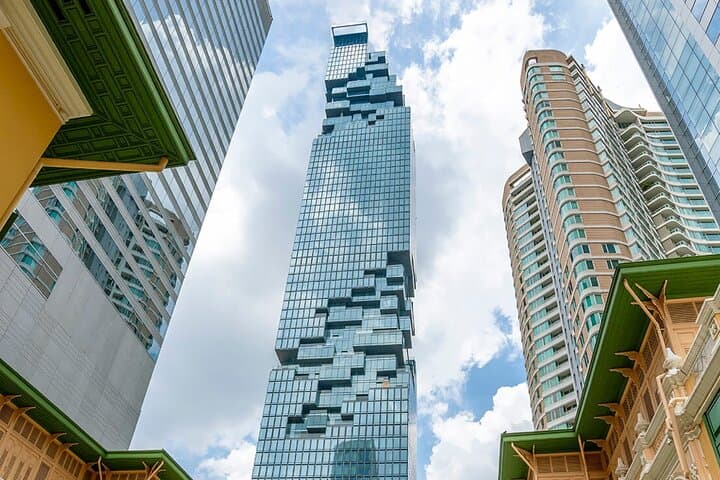
You begin high. King Power Mahanakhon—one of Bangkok’s most arresting modern faces—pries open the skyline. The observation deck frames the city as a geometric puzzle: strips of canal, glass facades, pockets of green. The building’s angled glass tray is not a stunt so much as a reminder of Bangkok’s pace; you step out and the city seems both impossibly large and intimately accessible. From here, the smallness of your day’s worries is measured against a map of possibilities.
Descending into street level is the real transition—air thicker, sounds closer. Sampeng Market in the heart of Chinatown doesn’t behave like a tourist tableau; it operates like a living wholesale district. Stalls are stacked with bolts of fabric, neon trinkets, and an economy of voices. Alleys unfold like chapters: vendors layer their goods over decades of trade, and the smell of fried garlic punctuates the air like a chorus. It’s a place to let your senses govern your movements—watch hands negotiating prices, feel cardboard crates underfoot, and let the organized chaos guide you toward a bowl of something hot and salty.
The tuk-tuk ride that follows is not only efficient; it’s cinematic. You feel the city’s momentum: scooters weaving, buses grumbling, and market stalls flashing in peripheral vision. Tuk-tuk drivers here are quasi-navigators of the urban maze—ask for a recommended street food stop and you’ll get a local’s shortlist. The vehicle itself seems to thrum with purpose, pushing you into the city’s living room.
Bangkok’s true personality is at its edges and intersections: where the modern glass towers butt up against colonial buildings, and where Buddhist temples tuck quietly between snack carts. The tour stitches these contrasts together, so a single day offers modern architecture, bustling commerce, and an old neighborhood’s stubborn, flavor-forward lane. By evening, Yaowarat Road—the artery of Chinatown—glows under strings of lights as food carts stake their territory. It’s here that the city rewards curiosity; dishes arrive with spare ceremony and maximum flavor.
This is not an adrenaline trek across remote terrain. It’s urban endurance: eleven hours on foot, in and out of transport, through heat and crowds. The practical delight is that every stop is a doorway to something more—asking the right question at a stall can lead to a recipe, a vendor’s recommendation, or a shortcut to a quieter sois (side-street). This tour is private, new on Viator, and promises instant booking. The cost reflects a full-day, curated experience with local insight baked in—an efficient way to see multiple layers of Bangkok in a single day without the usual planning friction.
Why would travelers pick this over wandering alone? Two reasons: context and cadence. The guide threads history into the route—why Sampeng exists where it does, how Bangkok’s skyline rose so quickly, and which alleys hide the best late-night bowls. And cadence: without a local’s sense of timing you’ll either miss cooler light or spend midday hours in the hottest markets. A guided day keeps you moving at a sustainable pace and gives you access to local shortcuts, introductions, and interpretations that turn scenes into stories.
Practical edge: wear shoes that can breathe and tolerate grit; pack a water bottle you can refill; keep small bills for street vendors; and pick times carefully—mornings and evenings make the markets and Chinatown shine, while midday is better for the tower’s views when the air is clear. Bring a portable charger—the camera work is non-stop—and be ready to step into small, intense moments. Respect vendors’ space when photographing; a smile and a simple question often earns permission.
For anyone who likes to mix food, architecture, and neighborhood immersion, this tour is a smart lens onto Bangkok’s multiplicity. It won’t give you the slow unravel of living in the city, nor the quiet of a temple at dawn, but it will pack a day with memorable contrasts and reliable logistics—a condensed, generous introduction to a city that rewards attention.
If you go: be curious, be patient, and let the city’s rhythms pull you along. The day is long enough to be exhaustive but short enough to leave you wanting more—a perfect appetite for returning.
Trail wisdom
Small choices, better day.
Start Early or Finish Late
Avoid the midday heat by catching the city from the Mahanakhon observation deck in the morning or enjoying Chinatown's street food as the sun sets.
Carry Small Bills
Most market and street-food vendors operate on cash—have small denomination Thai baht ready for quick purchases and tips.
Hydration & Shade
An 11-hour day in Bangkok can be dehydrating—bring a refillable water bottle and a lightweight hat.
Tuk-Tuk Etiquette
Agree on a route and price before hopping in and be prepared for lively, quick drives through traffic.
Local knowledge
Read the place, not just the route.
Watch for native species including Monitor lizards along canals and rivers, Kingfishers and egrets at the Chao Phraya’s edges.
Keep an eye out for wildlife during the transition between areas and habitats. Respect distance guidelines.
Support local vendors and minimize single-use plastics; Bangkok’s canals and green pockets are sensitive to litter and pollution.
Follow the guide's instructions on size limits, ethical handling, and leave-no-trace practices.
Soi small-plate stalls off Yaowarat that specialize in seafood. A quiet riverside temple near Chinatown for a calm pause
Locally recommended viewpoints and quiet spots known best to local operators.
Bangkok’s Chinatown (Yaowarat) dates to the late 18th century as a trading enclave; King Power Mahanakhon opened in 2016 as a symbol of modern Bangkok.
Maritime roots and regional tradition shape the waterways and working coasts.
Seasonal guide
Four versions of the same landscape.
Spring
Best forLower crowds than peak winter · Flowering city parks · Comfortable early mornings
ChallengesRising temperatures late spring · Occasional haze
Spring brings warming days and manageable crowds—early starts are rewarding before the heat builds.
Summer
Best forNight market energy · Cheaper travel rates · Lush green parks after rains
ChallengesHot, humid afternoons · Frequent short rainstorms
Expect heat and pop-up showers; schedule indoor elements like the observation deck midday.
Fall
Best forCooling temperatures · Clearer skyline views · Festivals and markets
ChallengesOccasional rains early in season · Variable humidity
Fall’s milder weather helps with long days walking between neighborhoods, and views are often clearer.
Winter
Best forCooler, pleasant days · Peak visibility from sky decks · Bustling street food at night
ChallengesHigher tourist numbers · Advance bookings recommended
Thailand’s cool season is ideal for a long urban day—comfortable walking and spectacular city vistas.
Operator details
What the booking data adds.
Included
- ✓Boat Fee
- ✓Air-conditioned vehicle
- ✓Entrance Fee
Not included
- —Lunch
- —Shopping is on your own expense
Good to know
- ✓Infants and small children can ride in a pram or stroller
- ✓Infants are required to sit on an adult’s lap
- ✓Travelers should have at least a moderate level of physical fitness
Pack with intention
What to bring.
Good to know
Common questions.
The experience lasts approximately 11 hours—typically a full-day itinerary from morning through evening.
Plan the edges
The details that make the day easier.
King Power Mahanakhon was the tallest building in Thailand when it opened in 2016, and its pixelated design was intended to create a new urban landmark.
After the tour, head to Yaowarat Street for seafood stalls, try boat noodles near the river, or sip a craft beer at a riverside bar—Chinatown’s late-night scene pairs perfectly with an elevated rooftop view.
- Closest airport
- Suvarnabhumi (BKK)
- Don Mueang (DMK). Typical pickup
- central Bangkok hotels. Driving distance: short urban transfers between sites (3–10 km segments). Cell service: generally good. Permits: none required for tourists.
Bring a reusable bottle, say no to plastic utensils when possible, and support local vendors—small purchases directly benefit neighborhood economies and reduce waste.
Explore by topic
Follow the threads.
Keep exploring
Make the story part of the trip.
In four hours you can move from shaded canyon ferns to wind-scoured coastal ridgelines, guided by someone who knows where the light—and the hidden views—live. This private half-day hike on the Monterey Peninsula or Big Sur is compact, curated, and perfect for travelers who want depth without a multiday commitment.
 Related story
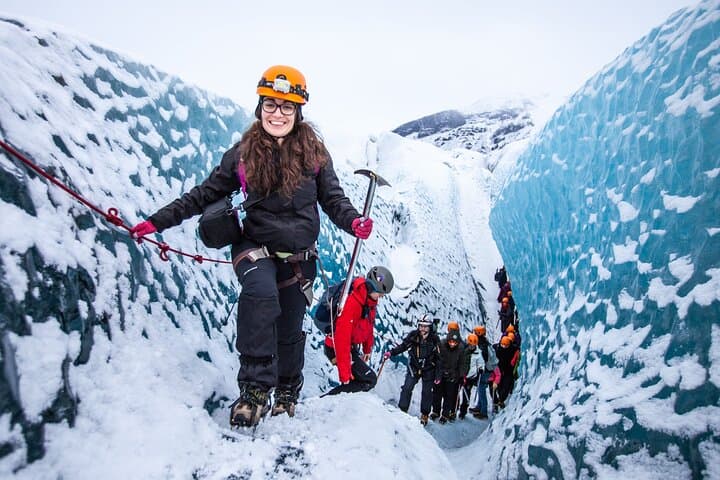
Beneath a sky of shifting light, Skaftafell’s ice reads like a map of time. This three-hour guided glacier hike mixes technical instruction with geology and culture: compact, safe, and unforgettable.
 Related story
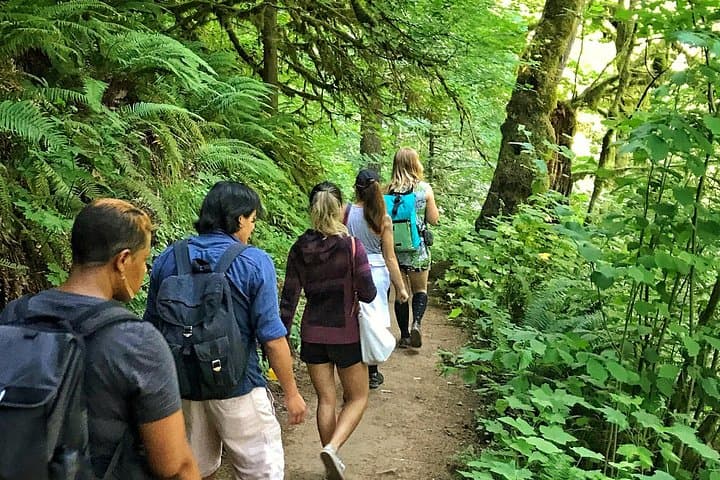
Lose the city for a few hours without leaving it: this 5-mile, 900-foot-gain Forest Park loop threads old-growth pockets, city viewpoints, and cultural landmarks for a compact taste of Portland’s wild side. Expect moss, roots, and stories.