
What the day feels like
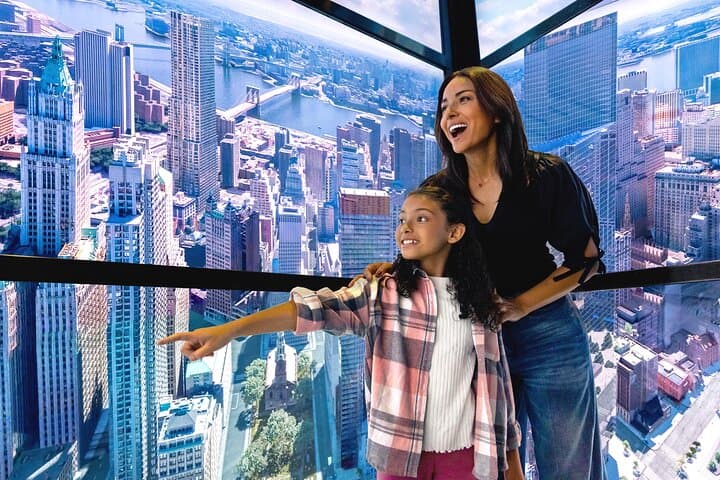
You step into a dim, theater-like chamber and the city squeezes itself into a single breath. A soft hum begins beneath your feet, lights spiral up around the walls and, in 47 seconds, the SkyPod™ elevator has pulled you 102 stories from the street. New York, which from the sidewalk can feel like a tangle of horns, scaffolding and hurried conversations, reorganizes into planes: the Hudson river folding toward Jersey, the East River reaching like a bright seam to Queens, the Statue of Liberty crouched and patient on her island. The observatory doesn’t just show you the city; it translates it.
The One World Observatory is a compact, controlled dose of vertigo and history. It sits in the crown of One World Trade Center—the tower that replaced the Twin Towers—and its multimedia offerings turn a skyline into a storybook. SEE FOREVER™ Theater stitches decades of film and photography into a cinematic aerial portrait; the City Pulse lets you zoom into neighborhoods with a touchscreen; and the One World Explorer offers a digital guide to the icons beneath you. For travelers who love perspective—literal and narrative—this is a trip that rewards both time and imagination.
There’s history pressed into the glass. This is the same footprint where, three decades ago, the first forest of Manhattan’s skyscrapers defined modern commerce and architecture. After the attacks of 2001, the rebuilding of this site became a civic choreography—design, politics and memory in equal measure. The observatory is both a vantage point and a civic room; below you are memorial pools, museum galleries and a neighborhood reborn with parks and transit hubs.
Geology plays a quiet supporting role. Those towers stand because Manhattan sits on schist—hard bedrock found in the island’s core that allowed architects to bolt steel giants deep into the earth. On windier days you feel that geology as the tower flexes imperceptibly; the city that seems so immovable is, in fact, tuned to weather and tide.
Culturally, the building is an intersection: financial institutions to the north, immigrant neighborhoods that fed the city’s labor to the south, and a Hudson shoreline that has always been porous to ideas and goods. From the observatory you’ll watch the city’s layers—industrial piers, luxury towers, public plazas—play out like geography and biography at once. And while the skyline is the marquee, the people down below give it pulse—runners in Battery Park, ferry commuters, and the tourists who, like you, have come for a view that makes the map feel tactile.
Practicalities make or break this kind of visit: you’ll want to treat the trip as part stand-up sighting, part practical errand. The Skip-the-Line Combo Ticket buys you priority lane access and the multimedia experiences, and includes a $5 voucher toward food or retail—small, but appreciated after two floors of film and a long look at the harbor. The full visit generally takes 90–120 minutes; arrive early in the morning for crisp light and thinner crowds, or late afternoon for the slow, patient glow of sunset. Security screening is mandatory and straightforward—think airport-style checks—so leave large tripods and prohibited items at your lodging.
Accessibility is a feature, not an afterthought: elevators and designated viewing platforms accommodate most strollers and wheelchairs, and staff can assist with special needs. If you’re a photographer, plan a quick sweep then come back. Glass reflections are the single biggest challenge; using a lens hood pressed to the glass or angling your camera reduces glare. A polarizing filter helps with daytime shots, but good evening images are about timing: blue hour softens glass reflections and adds color to the city’s lights.
The combination of theater, skyline and civic history makes One World Observatory a different kind of urban attraction—one that feels part storytelling, part orientation. It’s ideal for solo travelers plotting a city route, families who want an accessible skyline fix, and anyone who likes their architecture served with context. It won’t replace rooftop bars for atmosphere or a harbor cruise for scale, but it will give you a precise, comprehensible picture of how New York sits on its water and why its silhouette keeps attracting builders and dreamers.
How to make the most of it: buy the skip-the-line ticket in advance and pick a slot that aligns with sunset for the most dramatic lighting; factor in time for the 9/11 Memorial and the museum if you want to extend the visit; use public transit—PATH, subway and ferries drop you within a 10-minute walk and eliminate parking stress. Bring a compact tripod only if you’re prepared for a secondary bag check and strict staff direction; otherwise, steady your elbows on the glass and focus on layering your images: foreground bridges, middle-ground ferries, background boroughs.
One World Observatory is more than a lookout. It’s a controlled encounter with a city that is, at street level, loud and improvised. Above, there’s an argument made in glass and light about history, resilience and design. You come for the 360-degree sweep, and you leave with a reoriented map in your head—a sense of where neighborhoods sit, which rivers split the island, and how Manhattan, at its best, is a collage of accessible viewpoints. The city below continues to surge and tug; the observatory simply gives you room to watch it do so with perspective and—if you time it right—a spectacular last light.
Trail wisdom
Small choices, better day.
Book the Priority Lane
Purchase skip-the-line tickets in advance to avoid long queues—peak times fill fast, especially at sunset.
Time It for Light
Arrive 60–90 minutes before sunset to see the city in daylight, golden hour and after-dark lights without rushing.
Pack Light for Security
Security screening is required—avoid bulky bags and tripods to speed entry.
Use Public Transit
World Trade Center PATH and several subway lines stop nearby—public transit saves parking headaches.
Local knowledge
Read the place, not just the route.
Watch for native species including Seagulls over the Hudson, Occasional peregrine falcons nesting on tall buildings.
Keep an eye out for wildlife during the transition between areas and habitats. Respect distance guidelines.
The building prioritizes sustainable transit access—use public transportation where possible and follow onsite recycling and waste guidelines.
Follow the guide's instructions on size limits, ethical handling, and leave-no-trace practices.
The outdoor terraces offer less-crowded sightlines toward the harbor. Walk the nearby Liberty Park for a quiet skyline view and the Survivor Tree
Locally recommended viewpoints and quiet spots known best to local operators.
One World Trade Center rises on the site of the original Twin Towers; the surrounding Memorial Plaza commemorates the 2001 attacks and the rebuilding effort.
Maritime roots and regional tradition shape the waterways and working coasts.
Seasonal guide
Four versions of the same landscape.
Spring
Best forClear city views · Mild temperatures · Fewer winter crowds
ChallengesUnpredictable rain · Allergy season
Spring brings temperate weather and long days—views are sharp after rain but bring a light rain jacket.
Summer
Best forLate sunsets · Long visiting hours · Family outings
ChallengesHeat at street level · Peak tourist crowds · Higher humidity causing haze
Summer offers extended hours and late light; expect larger crowds and occasional hazy views—plan for early morning or late evening slots.
Fall
Best forCrisp air and clarity · Spectacular sunset colors
ChallengesShorter daylight hours · Weekend crowds during foliage peak
Fall is prime for sharp, dramatic views—book sunset slots early, and enjoy cooler, clearer air for photography.
Winter
Best forCrisp, distant visibility · Off-peak visiting · Holiday city lights
ChallengesCold winds at ground level · Potential weather delays · Short daylight window
Winter can offer the clearest skyline visibility; bundle layers for outdoor approaches and shorter daylight windows.
Operator details
What the booking data adds.
Included
- ✓$20 voucher for use on food and beverage or retail items
- ✓Skip all the Lines: Priority Lane for Security, Entry and Exit Elevator
Good to know
- ✓Service animals allowed
- ✓Public transportation options are available nearby
- ✓Infants and small children can ride in a pram or stroller
- ✓All areas and surfaces are wheelchair accessible
- ✓Suitable for all physical fitness levels
- ✓Transportation options are wheelchair accessible
- ✓Wheelchair accessible
- ✓Reservations are recommended for ONE DINE RESTAURANT
- ✓Children age 5 and under do not require a ticket
Pack with intention
What to bring.
Good to know
Common questions.
Plan 90–120 minutes for the SkyPod elevator, multimedia experiences and time to soak in views; longer if you visit the 9/11 Memorial or museum.
Plan the edges
The details that make the day easier.
One World Trade Center’s height is intentionally 1,776 feet—an homage to the year of U.S. independence—and the SkyPod elevators travel 102 stories in 47 seconds.
After your visit, head to Eataly NYC Downtown for casual Italian fare, or walk to Brookfield Place for waterfront dining and cocktails; for a pint and historic atmosphere, try The Dead Rabbit in the Financial District.
- Closest airport
- Newark (EWR) or JFK; Closest transit: World Trade Center PATH
- Fulton Center subway (5–10 min walk); Driving
- limited parking—public transit recommended; Cell service: reliable on-site; Permits: none required for standard visits.
One World Trade Center emphasizes sustainable urban transit—choose public transportation, minimize single-use plastic, and respect memorial spaces while visiting.
Explore by topic
Follow the threads.
Keep exploring
Make the story part of the trip.
Set out from Bass Harbor for a private, customizable day on Blue Hill Bay — lighthouses, puffins, seals, and the chance to feel Acadia from the water. Small groups, local captains, unforgettable views.
In four hours you can move from shaded canyon ferns to wind-scoured coastal ridgelines, guided by someone who knows where the light—and the hidden views—live. This private half-day hike on the Monterey Peninsula or Big Sur is compact, curated, and perfect for travelers who want depth without a multiday commitment.
 Related story
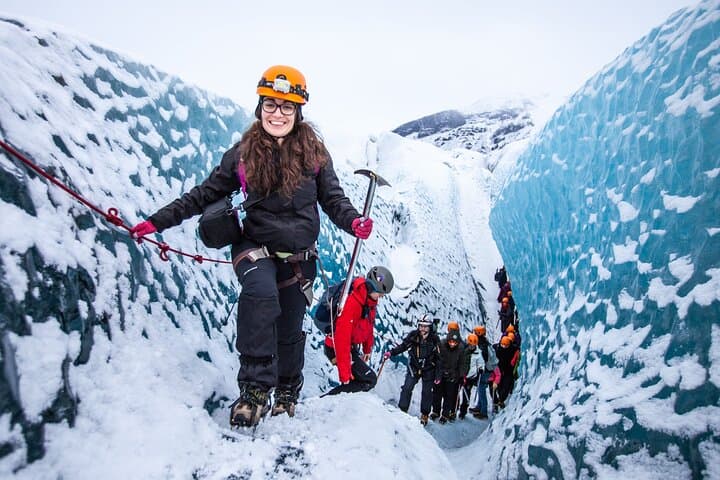
Beneath a sky of shifting light, Skaftafell’s ice reads like a map of time. This three-hour guided glacier hike mixes technical instruction with geology and culture: compact, safe, and unforgettable.