
What the day feels like
The skiff noses into the glassy canvas of Bogue Sound just as the morning wind takes a breath. Salt pricks the air; terns stitch quick white dashes over the marsh. Ahead, the barrier islands lie low and inviting—bright shoulders of sand rising from water the color of sea glass. The captain pulls the throttle and the hull hums, a gentle reminder that here, the tide sets the tempo. The sound seems to lean forward, daring you to follow.
This is the Crystal Coast eco tour: simple in premise, generous in possibility. You climb aboard, name your priorities—dolphins, shelling, wild horses, a deserted island picnic—and the day rearranges itself to suit your curiosity. The captain keeps an eye on tide tables and wind lines; you watch the horizon for fins and the dunes for a flick of a horse’s tail. The boat threads seagrass meadows where juvenile fish learn the language of current, and the marsh greets you with that clean, iodine smell that says life is everywhere, tucked between blades of cordgrass and under oyster crowns.
The Crystal Coast stretches like a half-smile along North Carolina’s southern Outer Banks, from Emerald Isle to the diamond-painted lighthouse of Cape Lookout. These islands are always on the move, shouldering storms and drifting sand with a patience that outlasts maps. Geology here is kinetic—longshore currents push west, inlets open and close, and the dunes walk. The sea is a choreographer, the barrier islands a nimble troupe.
History runs shallow but insistent. Near Beaufort Inlet, Blackbeard’s flagship, Queen Anne’s Revenge, ran aground in 1718; the wreck’s artifacts speak of a time when currents carried more than shrimp and mullet. To the east, Shackleford Banks is home to wild horses—shaggy, sure-footed descendants believed to have arrived with early Spanish ships. They graze the dunes like old locals, each gust combing their manes. Keep your respectful distance and you’ll see their personalities surface: a cautious matriarch, a young stallion curious then dismissive, the herd drawing a line you’re wise not to cross.
The dolphins arrive like a rumor, then a fact. Bottlenose fins arc in a slow rhythm beside the boat, and the sound seems to applaud. The captain idles, understanding that wild creatures set the rules. The current does its soft work, carrying weedlines and sargassum like notes on a staff. When the dolphins vanish, they don’t really; they trail the edges of thought for the rest of the day.
Shelling is half treasure hunt, half tide study. On the flats behind Shackleford, the sand writes new sentences with each ripple. Scotch bonnets—the state shell—sometimes glint among coquinas and olives. Sand dollars efface and reappear, and the beach, with a slight wink, keeps the best souvenirs for those who take their time. The undeveloped swathes of Cape Lookout National Seashore feel like a promise kept: miles of shore with no car noise, just wind arguing with dune grass and pelicans flying in formation.
If you want the full sweep of this shoreline, go custom. With a flexible charter, you can string together dolphin watching with a picnic on a deserted island and a meander through a marsh creek where egrets stand like careful punctuation. That’s the draw of a personalized route, and it’s exactly what you’ll get when you book an [Eco Tour boat tour in Emerald Isle, North Carolina](https://app.advcollective.com/local-experts/eco-tour-boat-tour-emerald-isle-north-carolina). You won’t be dropped into a canned loop; you’ll read the day with your captain, then write your own margins.
Culture here is maritime practicality—fish houses, wooden skiffs, weather-worn marinas. In Beaufort, Front Street still leans toward Taylor’s Creek, and you might spot the wild horses of the Rachel Carson Reserve from a waterfront bench. Shrimp trawlers idle with a patience that seems to slow time. The Crystal Coast is a working coast; the same waters that host eco tours also feed a region. That lends weight to every bird sighting and seagrass meadow; stewardship isn’t theoretical, it’s breakfast.
Ecology ties everything together. Seagrass meadows are nurseries; oysters filter gallons of water an hour; dunes defend the island’s spine. The entire system depends on your light touch: pack out everything, skip the live shells, let horses and dolphins be themselves at a respectful distance. The sea will reward the restraint. Want more specifics? This [Crystal Coast eco tour](https://app.advcollective.com/local-experts/eco-tour-boat-tour-emerald-isle-north-carolina) keeps conservation front and center, with a USCG-licensed captain who knows how to thread awe with responsibility.
Practicalities are as friendly as the water on a calm morning. Tours run two to six hours, and groups are capped at six people—a sweet spot for families, friends, or a couple of coastline-curious travelers. Mornings often mean smoother water and better wildlife behavior; afternoons can bring a playful chop and seabreeze. Footwear matters: hard-soled water shoes for shelling and clamming, sandals that won’t vanish in the wash. Sun here is frank, even when veiled—protect your skin and drink more water than you think you need. If swimming’s on your list, the captain will steer to suitable spots with soft sand and manageable current.
On a good day, the Crystal Coast gives you the full chorus: the steady metronome of waves on the ocean side, the clink of shells in a cast net, ospreys scolding from a channel marker. Even on a blustery one, there’s a clear reward—a greater appreciation for how wind writes on water, how the sound muscles against your bow and insists on being read.
If your idea of adventure is less summit and more shoreline, this trip aligns perfectly. It’s active without being punishing, wild without being risky, hands-on without getting in the way. And it’s tailored: a choose-your-own-coastline that lets you tune the day to your group. When you step back onto the dock, sand stuck to your ankles and a pocket rattling with shells, you’ll feel what the Crystal Coast does best: it invites you in, then sends you home with a tide still moving in your chest. Ready to build your own route across the water? Start with this [Crystal Coast boat eco tour](https://app.advcollective.com/local-experts/eco-tour-boat-tour-emerald-isle-north-carolina) and let the islands do the rest.
Trail wisdom
Small choices, better day.
Chase Morning Glass
Book the earliest departure for calmer seas, better dolphin activity, and cooler temps before the afternoon seabreeze builds chop.
Wear Hard-Soled Water Shoes
Shelling flats and oyster edges can be sharp—protect your feet with sturdy water shoes that won’t slip in sand or surf.
Respect the Horses’ Bubble
Stay at least 50 feet from wild horses on Shackleford Banks and the Rachel Carson Reserve—zoom with your camera, not your feet.
Tide-Savvy Shelling
Arrive near low tide for the best shelling and shark-tooth hunting when more sandbars and wrack lines are exposed.
Local knowledge
Read the place, not just the route.
Watch for native species including Bottlenose dolphin, Wild horses.
Keep an eye out for wildlife during the transition between areas and habitats. Respect distance guidelines.
Seagrass meadows and dunes are fragile. Avoid trampling vegetation, pack out all trash, and observe wildlife from a safe distance.
Follow the guide's instructions on size limits, ethical handling, and leave-no-trace practices.
Bird Shoal in the Rachel Carson Reserve for sunrise shelling and horse-spotting across Taylor’s Creek. Leeward coves on the backside of Shackleford Banks where sand dollars concentrate near low tide
Locally recommended viewpoints and quiet spots known best to local operators.
Blackbeard’s flagship, Queen Anne’s Revenge, ran aground near Beaufort Inlet in 1718; artifacts from the wreck are curated locally.
Maritime roots and regional tradition shape the waterways and working coasts.
Seasonal guide
Four versions of the same landscape.
Spring
Best forBird migration · Mild temperatures
ChallengesVariable winds · Cooler water temps
Expect fresh breezes, active birdlife, and good water clarity on calmer days; pack a light layer for boat rides.
Summer
Best forSwimming and sandbar picnics · Long daylight
ChallengesHeat and UV · Afternoon thunderstorms · Crowds on popular islands
Warm water and lively beaches make summer prime for shelling and swims—start early and watch storm forecasts.
Fall
Best forClear water · Fewer crowds · Active wildlife
ChallengesOccasional tropical systems · Shorter days
Often the sweet spot: lingering warm water, crisp air, and excellent visibility with migrating birds and baitfish runs.
Winter
Best forEmpty beaches · Crisp, quiet landscapes
ChallengesCold wind · Limited tour availability · Colder water temps
A stark, beautiful coast with big skies—bundle up for brisk rides and wide-open stretches of sand.
Pack with intention
What to bring.
Good to know
Common questions.
Up to six passengers can be accommodated per boat, keeping the experience intimate and flexible.
Plan the edges
The details that make the day easier.
Cape Lookout Lighthouse’s black-and-white diamond pattern is navigational: black diamonds point north–south and white diamonds point east–west.
Refuel on Beaufort’s Front Street with peel-and-eat shrimp and a cold drink at Front Street Grill, or grab a seasonal plate at Beaufort Grocery Co. Craving a local pint? Fishtowne Brew House pours small-batch beers perfect after a sun-soaked day. Cap it with ice cream from The General Store while watching for horses across Taylor’s Creek.
- Closest airports
- EWN (New Bern) ~45 minutes; OAJ (Jacksonville) ~1 hour. Typical departure marinas are near Beaufort
These barrier islands and seagrass meadows are vital nurseries for coastal wildlife—pack out all trash, avoid live shell collection, stay off dune vegetation, and maintain safe distances from horses, birds, and dolphins.
Explore by topic
Follow the threads.
Keep exploring
Make the story part of the trip.
 Related story
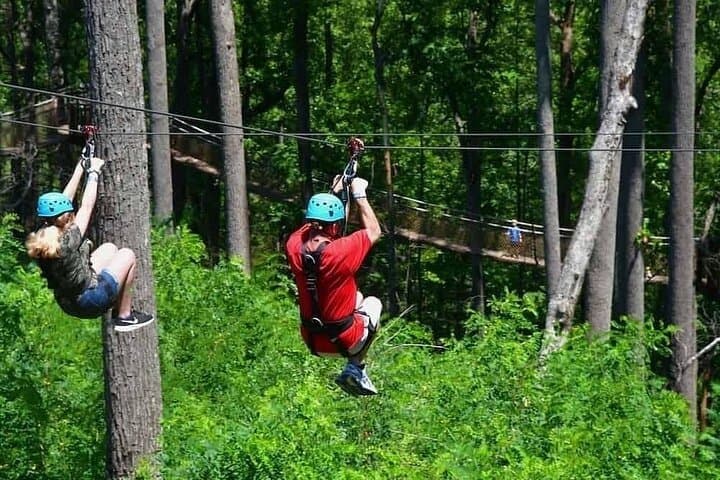
Less than two hours from Nairobi, Kereita Forest pairs hands-on canopy adventure with quiet montane trails and a sobering colonial history—perfect for families, teams, and curious travelers seeking a full-day pulse of nature.
Set out from Bass Harbor for a private, customizable day on Blue Hill Bay — lighthouses, puffins, seals, and the chance to feel Acadia from the water. Small groups, local captains, unforgettable views.
In four hours you can move from shaded canyon ferns to wind-scoured coastal ridgelines, guided by someone who knows where the light—and the hidden views—live. This private half-day hike on the Monterey Peninsula or Big Sur is compact, curated, and perfect for travelers who want depth without a multiday commitment.