
What the day feels like
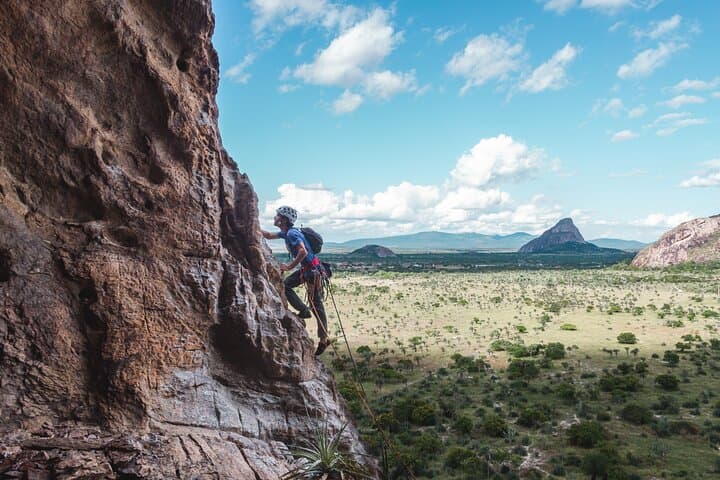
You arrive at first light, the town of Itatim a wash of tiled roofs and blue morning sky. A ribbon of road pulls you inland from the coast’s humidity and drops you into a different Brazil: sun-baked scrub, sudden pockets of Atlantic Forest, and a cliff that appears like a punctuation mark on the horizon. The Paredão do Morro da Toca doesn’t announce itself; it simply rises—an abrupt, vertical face of rock that seems to dare you closer. In the early hours, when the air is cool and the birds name the day, stone and light carve the cliff into planes and shadows that look, for a moment, like a sculpture meant to be climbed.
The route you’ll make here is private and tailored: the guiding company will match lines and anchors to your experience, from beginner top-ropes to sustained multi-pitch leads. This is not a gym wall in the city; it’s an outdoor theater of climbing where the cliff has agency and the weather writes its own script. On route, you read the rock—grainy holds, subtle cracks, pockets of quartz—while the landscape opens below into a patchwork of farms and distant plateaus. The descent is honest and simple: walk off across scrub and stone, the kind of ending that leaves your legs pleasantly tired and your head full of the day’s small victories.
Geology and human story meet here. The paredão—Portuguese for “big wall”—is part of Bahia’s inland highlands, where ancient bedrock has been sculpted by time and climate into steep faces favored by local climbers. Itatim itself sits within an agricultural region that historically supplied sugar and small-scale crops to larger markets; its residents know these cliffs as landmarks and occasional sources of local pride. Climbing routes were developed with community consent, and many of the lines you’ll try today were bolted by Brazilian climbers who kept both safety and respect for place in mind.
Culturally, this is a good spot to notice how Brazilian outdoor life blends with small-town rhythms. There’s no climbing bureaucracy or long permit forms here; instead, you trade nods and conversation with local guides who grew up on these hills. That intimacy is part of the appeal: your climb is private, but not isolated from the community. Expect to hear laughter, local music on the drive, and the occasional rooster calling from a distant yard as you knot in.
If you’re imagining an adrenaline movie sequence, slow it down: the thrill here is precise and tactile. The rock requires good footwork and attention to body positioning more than brute strength. The views reward patient moves: wide swaths of Bahia’s interior, serrated ridgelines, and farmland that becomes a watercolor beneath you.
For travelers who want to book, there’s an easy entry point: the climb is offered as a private, guided experience lasting about five hours. That covers approach, safety briefing, time on the rock, and the walk-off. Pricing is modest and the small-group dynamic makes this an excellent first multi-pitch experience or a refined day out for more experienced climbers wanting local lines. Book in advance in high season and ask for routes that match your goals—moderate sport routes for confidence-building, or longer trad-ish pitches for a technical day.
Practical advice: plan for rock that heats quickly after mid-morning, bring sun protection, and drink more water than you think you’ll need—this is inland Brazil and the sun will take it. Footwear matters; stiff-sole approach shoes for the walk and properly fit climbing shoes for the routes keep your feet happy. If you’re new to outdoor climbing, use the private guide time to drill rope management and anchor-building skills—the Paredão is an instructive teacher.
Why come now? This is a place that rewards those who want to step off beaten tourist tracks and earn their view. It blends technical climbing with a cultural slice of rural Bahia, and it’s accessible: the experience is short enough to fit into a broader Brazil itinerary but substantial enough to feel like a true outing.
For booking and local details, consider arranging your climb through a vetted local operator: Private Climbing on the Paredão do Morro da Toca, which provides guided, private routes in Itatim with tailored difficulty options. Reserve a private guide to get the most out of the rock, local knowledge, and a safe, efficient day on the paredão (https://app.advcollective.com/local-experts/private-climb-paredao-do-morro-da-toca-guided-routes-itatim-bahia).
Trail wisdom
Small choices, better day.
Start Early
Begin at first light to avoid heated rock and midday sun—cool mornings make for better friction and longer comfortable climbing windows.
Hydrate Strategically
Carry 1.5–2 liters per person for the half-day; bring electrolyte tabs for hot afternoons.
Use a Guide for Anchors
Even experienced climbers benefit from a local guide who knows bolt quality and safe descent lines.
Footwear & Approach
Wear approach shoes for the walk and pack climbing shoes with a snug fit—the rock rewards precision.
Local knowledge
Read the place, not just the route.
Watch for native species including Common marmoset (small primates), South American kestrel and various passerines.
Keep an eye out for wildlife during the transition between areas and habitats. Respect distance guidelines.
Keep to established trails, avoid new bolt lines without local approval, and pack out all trash—local guides work to preserve access through community relationships.
Follow the guide's instructions on size limits, ethical handling, and leave-no-trace practices.
A ridge walk north of the paredão with panoramic views of the valley. A small café in Itatim that serves strong local coffee and fresh pão de queijo
Locally recommended viewpoints and quiet spots known best to local operators.
The inland cliffs of Bahia have long been landmarks for rural communities; climbing development is recent and was led by local climbers in collaboration with guides from Itatim.
Maritime roots and regional tradition shape the waterways and working coasts.
Seasonal guide
Four versions of the same landscape.
Spring
Best forfewer crowds · mild temperatures · wildflowers
Challengesoccasional rain · slick rock after showers
Spring brings mild weather and blossoming scrub; be ready for sudden showers that can make routes slippery.
Summer
Best forlong daylight · vibrant landscapes
Challengeshigh heat · strong sun · possible afternoon storms
Summer is hot and bright—aim for early starts and plan around afternoon thunderstorms common in the region.
Fall
Best fordry rock · stable weather · clear views
Challengesbusy weekends
Fall typically offers stable, dry conditions—an excellent season for sustained routes and reliable friction.
Winter
Best forclear skies · cool mornings · excellent visibility
Challengescooler nights · shorter days
Winter (June–August) is often the driest and clearest time to climb here—expect cool mornings and great visibility across the plateau.
Operator details
What the booking data adds.
Included
- ✓certified climbing guide
- ✓All Fees and Taxes
- ✓Air-conditioned vehicle
- ✓Complete climbing equipment
Not included
- —Meals
- —accommodation
Good to know
- ✓Public transportation options are available nearby
- ✓Suitable for all physical fitness levels
Pack with intention
What to bring.
Good to know
Common questions.
No—guided private climbs accommodate beginners with top-rope options; experienced climbers can request longer or harder lines.
Plan the edges
The details that make the day easier.
Bahia is Brazil’s fourth-most populous state and includes diverse landscapes from the Atlantic coast to inland plateaus—Morro da Toca sits in Bahia’s inland highlands.
After a climb, head to a family-run eatery in Itatim for regional dishes like feijão tropeiro and freshly squeezed juice; share a cold beer and ask your guide about where local climbers train.
- Closest airport
- Salvador (SSA) ~3.5–4.5 hours by car; Driving distance from Itatim center: ~10–30 minutes depending on exact access point; Cell service: patchy—expect limited coverage at the cliff; Permits: none formal, but guided access recommended.
Respect established routes and park no new bolts without community agreement; pack out all trash and minimize trail widening to protect endemic vegetation.
Explore by topic
Follow the threads.
Keep exploring
Make the story part of the trip.
Set out from Bass Harbor for a private, customizable day on Blue Hill Bay — lighthouses, puffins, seals, and the chance to feel Acadia from the water. Small groups, local captains, unforgettable views.
In four hours you can move from shaded canyon ferns to wind-scoured coastal ridgelines, guided by someone who knows where the light—and the hidden views—live. This private half-day hike on the Monterey Peninsula or Big Sur is compact, curated, and perfect for travelers who want depth without a multiday commitment.
 Related story
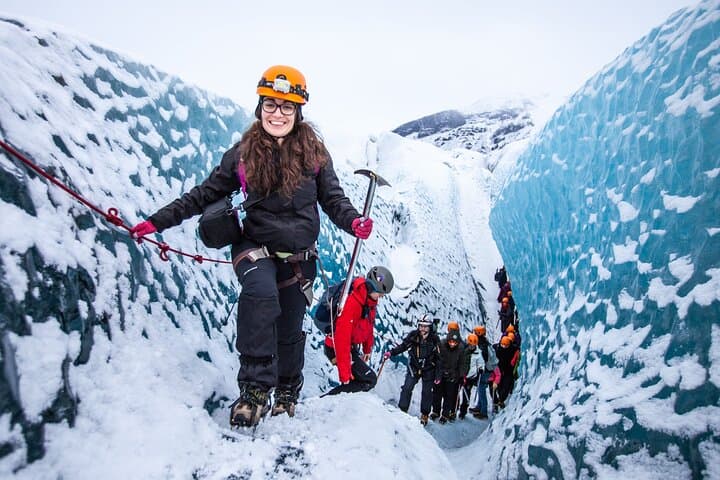
Beneath a sky of shifting light, Skaftafell’s ice reads like a map of time. This three-hour guided glacier hike mixes technical instruction with geology and culture: compact, safe, and unforgettable.