
What the day feels like
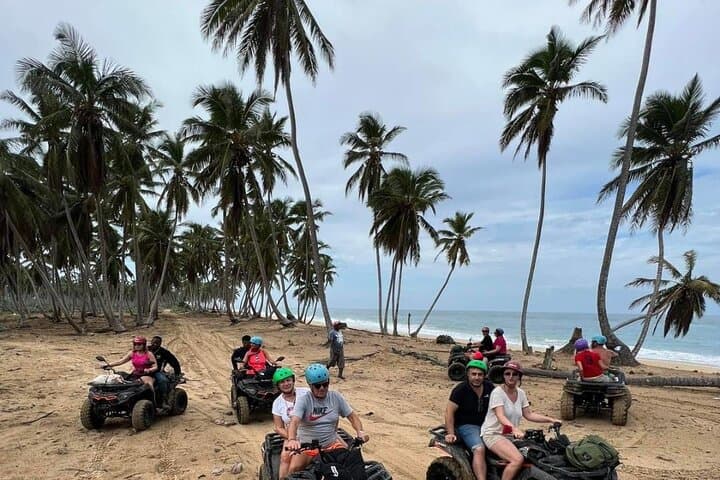
The convoy leaves before the heat settles. You feel the engine buzz through your boots, the air already smelling of salt and crushed greenery — a bright, warm smell that promises ocean and mangrove and something raw at the edge of development. We rattle out of a palm-lined lane near Bávaro, tires churning sand and coral-splintered soil, and within minutes the high-rises of the resort zone recede into a horizon of scrub and low hills. Behind a crest the sea waits: a patch of impossible turquoise that dares you to keep going.
This is not a manicured ATV park. It’s a day of varied terrain and small discoveries: dirt tracks that thread through a living mosaic of coastal scrub, the sudden, wind-sculpted flat of a forgotten beach, and a climb to the top of Montaña Redonda where the island’s geology reads like a short textbook — limestone underlayer, pockets of red clay, and the rounded silhouette of a hill worn by wind and time. You’ll drive and ride for hours, but the natural rhythm is varied. There are long, open stretches to enjoy speed, and short, technical sections where the machine and driver have to be thoughtful. Between runs, you walk barefoot on sugar-fine sand, stick a toe into the surf, and eat a meal that tastes of the place: grilled fish, plantains, and salads that came from a shade-grown plot somewhere inland.
The tour stitches together two complementary faces of eastern Hispaniola: coastal spectacle and the lesser-seen hinterland. Costa Esmeralda — the “emerald coast” — is a genuine stretch of unspoiled shoreline a short ride from the resort belt. Historically, this stretch of La Altagracia province saw sporadic fishing settlements and coconut groves long before the hotel boom of the late 20th century. Montaña Redonda, meanwhile, reads as a modest raised table in a landscape that is primarily low and coastal; rising to its summit takes only a few breaths, but the view frames how Caribbean coastlines form — the push and pull of sea, sand, and wind against a limestone bedrock.
Culture is present in small, human-sized ways. Along the route, you may pass a roadside stand selling fried yuca or fresh coconut water, or a handful of farmers tending fields of plantain and pigeon peas. This corner of the Dominican Republic is proud, pragmatic, and connected to the sea; the meals served on tour favor local fish and simple preparations, an honest counterpoint to the often-overwhelming buffet tables of resort life.
Practically: the tour runs roughly six hours and is ideal as a day that balances adrenaline and scenery rather than a full-throttle endurance test. Expect a mix of sandy beach driving (soft, sometimes deep sand), compact dirt tracks, and short rocky sections near hillfoot outcrops. The route covers multiple stretches of coastline with several stops for photos and a cooked meal; total distance covered will vary but commonly falls in the 40–60 km range depending on routing and beach running. The ascent to Montaña Redonda is short and accessible, with an approximate gain that feels more like a hill than a mountain — think a few dozen meters of climb over well-used trails.
Who should do it: couples, families with older kids, and mixed-ability groups who want hands-on access to beaches and rural landscapes without the logistics of self-guiding. Drivers and passengers share the thrill; training and helmets are standard on most operators. Guides will manage vehicle rotations, explain local history, and point out where to linger for a better angle on the surf.
Safety and rhythm: the best runs happen in lower heat and light — morning departures avoid the sharp afternoon sun and the thickest midday crowds. Bring closed-toe shoes for dune and hill sections; a swim suit and dry bag for shore stops; and a sense of flexibility — vehicles may slow at tide-swept stretches or stop at unexpected local stands. Hydration matters: six hours of sun and wind will dehydrate you faster than you think.
For photographers: early light on the beach makes the color of the water pop, and motion shots on the dunes with lower shutter speeds and panned framing give a real sense of speed. At the summit, a wide lens captures the curve of coast and scrub in one breath. Keep gear protected from sand and salt; a microfiber cloth and zip-sealed bags are worth more than a second lens.
Why it’s worth the trip: In a province often defined by all-inclusive resorts, this day restores a sense of movement and context. You’ll feel the geography under your wheels and meet a coastal landscape that still whispers of how the island lived before mass tourism scaled up. It’s a balance — an hour of adrenaline followed by the kind of quiet where waves and wind are in a conversation only you seem to hear. And yes, the meal tastes better right after the ride.
If you go: choose a small, licensed operator who includes helmets, basic instruction, and a guide who speaks clear English if you need it. Check what the quoted duration covers — some packages include transfers from hotels in Bávaro/Punta Cana and a sit-down lunch; others may be more elemental. Expect some dust, a curative salt spray or two, and the satisfying ache of a day spent outside.
Trail wisdom
Small choices, better day.
Start early
Morning departures give cooler temperatures, softer light for photos, and less crowded beaches.
Closed-toe shoes
Sturdy shoes protect you during dune walks and the short hill climb at Montaña Redonda.
Water & sun protection
Carry at least 1–1.5 liters of water and reef-safe sunscreen — the sun is stronger by the sea.
Pack light, keep dry
Bring a small dry bag for phone, camera, and wallet; sand and salt are relentless.
Local knowledge
Read the place, not just the route.
Watch for native species including Brown pelicans, Iguanas sunning on rocks.
Keep an eye out for wildlife during the transition between areas and habitats. Respect distance guidelines.
Stick to existing tracks to avoid dune erosion, use reef-safe sunscreen on beach stops, and support tours that contribute to local waste management and community income.
Follow the guide's instructions on size limits, ethical handling, and leave-no-trace practices.
Elusive tide pools on lesser-known coves along Costa Esmeralda. A small roadside stand near Montaña Redonda that sells fresh fried yuca and coconut water
Locally recommended viewpoints and quiet spots known best to local operators.
La Altagracia province's coastline supported small fishing and coconut-harvesting communities long before the resort economy developed in the 1970s and 1980s.
Maritime roots and regional tradition shape the waterways and working coasts.
Seasonal guide
Four versions of the same landscape.
Spring
Best forDry, comfortable riding · Wildflowers along scrubland
ChallengesOccasional rain squalls · Higher tourist numbers in March-April
Spring (March–May) is warm and generally dry — a comfortable window for beach driving and hill views, with occasional brief showers.
Summer
Best forLower hotel prices · Lush coastal vegetation
ChallengesHotter temperatures · Higher humidity and chance of afternoon storms
Summer brings heat and humidity; plan to ride early and avoid the midday sun, and expect quick tropical downpours.
Fall
Best forFewer day-trip crowds · Golden afternoon light for photos
ChallengesHurricane season risk (Sep–Nov) · Some beach erosion after storms
Fall can be quieter but watch weather forecasts — the region is in the basin for tropical storms during peak months.
Winter
Best forDry, stable weather · Cooler mornings ideal for adventure
ChallengesPeak tourist season in December–February · Advance bookings recommended
Winter (Dec–Feb) is the most consistently dry and pleasant time to visit, making for ideal driving and clear views.
Operator details
What the booking data adds.
Included
- ✓Lunch and drinks
- ✓Round trip transportation
- ✓Safari truck mountain climb
- ✓Taxes and fees
- ✓Guide
Not included
- —Tips
Good to know
- ✓Infants are required to sit on an adult’s lap
- ✓Not recommended for travelers with spinal injuries
- ✓Not recommended for pregnant travelers
- ✓Not recommended for travelers with poor cardiovascular health
- ✓Suitable for all physical fitness levels
- ✓The price of the tour is per person. NOT per Quad. Up to 2 people per quad.
Pack with intention
What to bring.
Good to know
Common questions.
No prior experience is required; operators give a safety briefing and basic handling instruction. Beginners usually start as passengers before driving on gentler sections.
Plan the edges
The details that make the day easier.
Punta Cana International Airport (PUJ) opened in 1983 and was a major catalyst for tourism growth in the region.
After the ride, look for a small local restaurant ('paladar') in Bávaro to try grilled fish, tostones, and a cold beer; visit a local craft stall for handmade straw hats or cigars rolled on site to connect the adventure to the community.
- Closest airport
- Punta Cana International Airport (PUJ). Typical drive from Bávaro
- Punta Cana hotels
- 15–45 minutes. Cell service: intermittent in remote beach and hill sections. Permits: none typically required; confirm operator licensing and helmet policy.
Stay on designated tracks to prevent dune erosion, use reef-safe sunscreen, pack out any trash, and choose operators who hire locally and invest in waste and habitat protection.
Explore by topic
Follow the threads.
Keep exploring
Make the story part of the trip.
In four hours you can move from shaded canyon ferns to wind-scoured coastal ridgelines, guided by someone who knows where the light—and the hidden views—live. This private half-day hike on the Monterey Peninsula or Big Sur is compact, curated, and perfect for travelers who want depth without a multiday commitment.
 Related story
Beneath a sky of shifting light, Skaftafell’s ice reads like a map of time. This three-hour guided glacier hike mixes technical instruction with geology and culture: compact, safe, and unforgettable.
 Related story
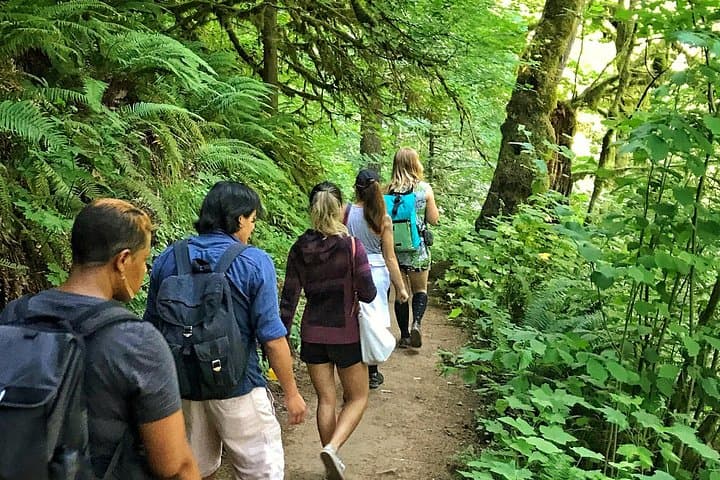
Lose the city for a few hours without leaving it: this 5-mile, 900-foot-gain Forest Park loop threads old-growth pockets, city viewpoints, and cultural landmarks for a compact taste of Portland’s wild side. Expect moss, roots, and stories.