
What the day feels like
The van hums along the coastline as the first light pries open the reef—sudden and bright, like a curtain being pulled aside. Palm shadows lean across the windshield, and your guide points to a pocket of sand where a few surfers are already claiming waves. On a Custom Island Adventure Tour, the itinerary is less a script and more a conversation: you decide how the day unfolds, and the island answers with beaches, viewpoints, and roadside stands that sell grilled shrimp and malasadas. By noon you'll have traded city streets for a cliffside lookout and, if you choose, a trail that coughs up a panoramic view of the island’s jagged spine.
These private, seven-hour tours out of Honolulu are less about ticking boxes than about the gentle improvisation that fits island time. The typical rhythm moves between short coastal drives, 15–45 minute beach or viewpoint stops, and two or three optional walk-ons: a quick scramble to the Diamond Head summit (1.6 miles round-trip, ~560 ft elevation gain) or a rainforest stroll at Manoa Falls (about 1.6 miles round-trip on uneven, often muddy terrain). Guides—locals who grew up on Oahu or have lived here for years—don’t just steer the van; they tell stories about the land: how this island is the exposed tip of a volcanic mountain chain, how each bay was carved by lava flows and coaxed into sand by coral reefs.
Geology reveals itself in layers: black lava cliffs turning to green valleys, coral atolls that built beaches where Polynesian voyagers once beached double-hulled canoes. Culture threads through the day as well. The term aloha is not a marketing flourish here; it’s a practice—an exchange of respect between visitor and host. Your guide might stop at a family-run shrimp truck on the North Shore where creole garlic butter coats the meat, then point out a small heiau (temple) set back from a roadside—an everyday reminder that these places have been both lived-in and sacred for centuries.
Practical details anchor the charm. The tour runs about seven hours (420 minutes), starts with instant confirmation when you book, and is private—so you can pick the pace. Price begins around $200 per vehicle for a customizable itinerary. Because the island’s best photo ops and food stalls are often off the main roads, expect a mix of paved driving and short walks on dirt or uneven trails. If you want to add snorkeling at Hanauma Bay, note that some marine preserves require reservations or timed entry; your guide will advise on logistics and fees.
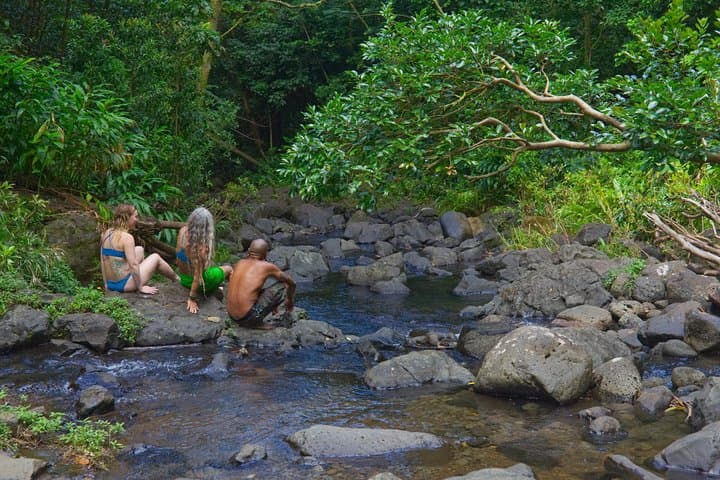
The sensory notes are straightforward: salt on the air, grit of sun-warmed sand underfoot, the reef’s surfline that sometimes seems to dare you to step closer. Rainforests will feel cool in contrast—moss-slick trunks and the sound of a stream that seems to keep time with your breathing. Wildlife shows up in small, delightful ways: a monk seal hauled out on a quiet sandbar, or a flash of 'iiwi (scarlet honeycreeper) deep in a nohoaka tree. Above all, expect conversations—about food, about family, about history—because the island is a living place shaped by many voices.
If you’re planning this kind of day, be pragmatic. Start early to avoid midday crowds at popular stops like Diamond Head or Hanauma Bay. Wear sturdy shoes for muddy rainforest trails and reef shoes if you plan to snorkel. Bring reef-safe sunscreen—Hawaii bans certain chemicals to protect coral—and a refillable water bottle. Finally, leave room in the schedule for the unexpected: a roadside fruit stand where a local offers lychee, or a detour to a lookout where a pod of spinner dolphins rides a swell.
Why book a custom tour rather than going it alone? Logistics. Parking at prime spots can be limited; a guide knows where to time the stops, which small businesses to support for real local food, and how to thread the island’s winding coastal roads efficiently. For families or travelers with special interests—surf lessons, cultural history, photography—your day can be tailored to match.
In short: this is not a checklist of monuments but a flexible, human-scale way of meeting Oahu. You’ll leave with sand in your shoes, a camera full of light, and a couple of new tastes in your memory. You’ll also have a clearer sense of what the island actually is: a place where geology, culture, and ocean meet in something practical and unforgettable—a day that can be as active or as easy as you want it to be.
Trail wisdom
Small choices, better day.
Start Early
Begin at sunrise to beat crowds at Diamond Head and Hanauma Bay; morning light is also best for photography.
Bring Reef-Safe Sunscreen
Hawaii restricts chemical sunscreens to protect coral—use reef-safe options and reapply after swimming.
Pack a Light Daypack
Include water, snacks, and a waterproof layer for rainforest micro-showers; leave heavy gear in the van.
Wear Grippy Shoes
Expect short hikes over uneven or muddy terrain—trail shoes or sneakers with good traction work best.
Local knowledge
Read the place, not just the route.
Watch for native species including Hawaiian Green Sea Turtle (honu), Native seabirds like the 'iwa (great frigatebird).
Keep an eye out for wildlife during the transition between areas and habitats. Respect distance guidelines.
Many coastal areas are protected to preserve coral reefs and marine life—use reef-safe sunscreen, stay off reefs, and follow local signage to protect habitats.
Follow the guide's instructions on size limits, ethical handling, and leave-no-trace practices.
Lulumahu Falls trailhead (short rainforest walk, fewer crowds than Manoa). Kaneohe Bay lookout at Heeia State Park for panoramic views and fewer tourists
Locally recommended viewpoints and quiet spots known best to local operators.
Oahu’s landscapes and communities are shaped by centuries of Polynesian settlement, later waves of plantation-era migration, and its central role in Pacific navigation and military history.
Maritime roots and regional tradition shape the waterways and working coasts.
Seasonal guide
Four versions of the same landscape.
Spring
Best forWhale watching (late winter–spring) · Fewer crowds · Mild weather
ChallengesOccasional showers · Variable surf on North Shore
Spring brings mild conditions and the tail end of whale season—ideal for beach stops and scenic drives with fewer tourists.
Summer
Best forWarm ocean temps · Snorkeling · Longer daylight
ChallengesHot midday sun · Higher visitor numbers
Summer is prime for snorkeling and swimming, but go early to avoid crowds and the hottest part of the day.
Fall
Best forSurf watching · Local harvests and fresh fruit · Comfortable hiking
ChallengesOccasional storms · Higher surf on some coasts
Fall offers comfortable hiking weather and clearer trails after summer rains—great for combining inland walks with coastal stops.
Winter
Best forBig-wave surf viewing on North Shore · Stormy, dramatic coastlines · Off-season travel deals
ChallengesLarge surf makes swimming hazardous · Shorter daylight hours
Winter draws big-wave surf to the North Shore; it's spectacular to watch but not a time for casual swimming at exposed beaches.
Operator details
What the booking data adds.
Included
- ✓Good Vibes
Good to know
- ✓Infants and small children can ride in a pram or stroller
- ✓Service animals allowed
- ✓Public transportation options are available nearby
- ✓Specialized infant seats are available
- ✓Travelers should have at least a moderate level of physical fitness
Pack with intention
What to bring.
Good to know
Common questions.
The experience is typically a seven-hour private tour (about 420 minutes), but the route and timing are flexible to suit your group.
Plan the edges
The details that make the day easier.
Hanauma Bay on Oahu is a protected marine life conservation area and requires a reservation and education video for entry to help protect the reef.
After a day on the road, head to The Pig and the Lady in Honolulu for inventive Vietnamese-Hawaiian plates, or swing by Haleiwa on the North Shore for garlic shrimp at Giovanni’s and shave ice at Matsumoto—supporting local vendors keeps the island’s food culture vibrant.
- Closest airport
- Daniel K. Inouye International Airport (HNL). Typical pick-up: Waikiki
- Honolulu. Driving between highlights
- 20–60 minutes each; cell service: reliable in urban and main coastal areas, patchy in remote valleys; permits
- fees
- some marine parks require reservations (e.g., Hanauma Bay). Private tour, instant confirmation, free cancellation available.
Protect local reefs by using reef-safe sunscreen, never stand on coral, pack out trash, and choose local food vendors to support community economies.
Explore by topic
Follow the threads.
Keep exploring
Make the story part of the trip.
Set out from Bass Harbor for a private, customizable day on Blue Hill Bay — lighthouses, puffins, seals, and the chance to feel Acadia from the water. Small groups, local captains, unforgettable views.
In four hours you can move from shaded canyon ferns to wind-scoured coastal ridgelines, guided by someone who knows where the light—and the hidden views—live. This private half-day hike on the Monterey Peninsula or Big Sur is compact, curated, and perfect for travelers who want depth without a multiday commitment.
 Related story
Beneath a sky of shifting light, Skaftafell’s ice reads like a map of time. This three-hour guided glacier hike mixes technical instruction with geology and culture: compact, safe, and unforgettable.