
What the day feels like
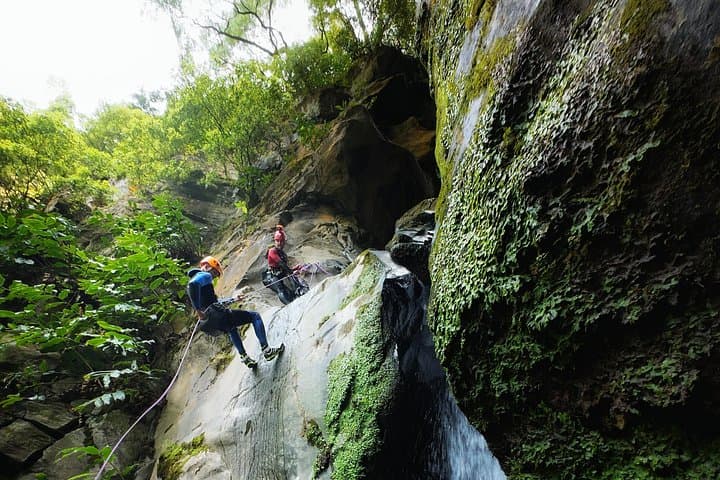
You don’t notice the steam at first — it slips from the river like a ghost and clings to the canyon walls. Then the water gets louder, a low, threaded roar that pushes the air out of your lungs and invites you forward. At the trailhead a guide clips a harness to your belt, hands you a helmet and a neoprene suit that smells faintly of salt and rubber. The canyon feels alive: the river dares you; the basalt walls lean in, as if to listen. This is Salto do Cabrito, a short, intense canyoning run on São Miguel where geothermal heat and Atlantic rainstorms have built something both playful and unforgiving.
Salto do Cabrito sits on the northern flank of São Miguel, the largest island in the Azores archipelago. The rock here is volcanic basalt, layered and scoured by a river that has learned to drop dramatically: a series of slides, pockets and falls carved over millennia. Unlike alpine canyons of ice and scree, this is a green canyon — ferns, laurel and moss press into every seam and steam vents steam in the background. Local guides point out thermal springs upstream and the faint sulfur smell that marks an island still reordering itself beneath the waves.
The human story overlaps the geological one. São Miguel’s settlers arrived in the 15th century, planting gardens, orchards and one of Europe’s only tea plantations. The island’s geothermal properties shaped livelihoods — from the buried-steam cozido pots of Furnas to simple washhouses heated by springs. Today, canyoning here is a modern answer to an old landscape: small local operators run intimate groups, and the guides are as likely to point out a native bird or a patch of edible fern as they are to coach you through a rappel.
On the water you’ll alternate between sprinting and stillness. The approach is a short walk (expect 1–2 km) through dripping forest; the activity itself lasts roughly 2–3 hours within a 4-hour booking window that covers orientation, fitting and travel. The route is a Level 2 canyoning experience — moderate technical exposure with several short rappels (commonly 8–15 m), natural slides and optional jumps of 1–5 m. The current isn’t trying to steal you, but it will insist you travel smart: feet first for slides, hands free for balance during steps, and a clean body position under a waterfall. Guides carry ropes and quickdraws, set secure anchors on solid rock, and lead small groups to keep down water traffic.
Why do it? Because the mix of heat and cold, spray and steam, is cinematic in a way you can walk into. There’s a practical thrill in committing to a jump and in the small triumphs of a rope-managed descent. The scenery flips quickly: a narrow gorge one moment, a wide emerald pool the next, and an exposed ledge with an ocean view beyond the trees. The whole experience feels localized and intimate — you’re not fighting crowds; you’re moving with a river that’s been patiently shaping its course.
Safety is careful and pragmatic here. The wetsuits and helmets are issued by the operator; you’ll be shown rappelling technique and the proper body position for slides. You’ll be encouraged to move at the group’s pace, and to bypass any jump you don’t want. This isn’t an all-or-nothing canyon; the activity is structured so mixed-skill groups can stay together.
Practicalities: the tour runs about four hours total and typically costs from about $107.91 per person (check current rates and inclusions). You’ll meet near the trail access point — most guests stay in Ponta Delgada (35–50 minutes by car) or nearby Ribeira Grande. Plan transportation accordingly; most operators can coordinate pickup for an extra fee.
Timing matters. Summer offers long days and warmer river temps, but late spring and early fall have fewer tourists and still-pleasant conditions. Winter brings higher flows and cooler air, turning the canyon into a more serious proposition. The best months for a balanced blend of warmth and water levels are June through September.
Gear and fitness: you don’t need technical climbing experience, but you should be comfortable in moving water and able to climb short rock steps. Guides will supply harnesses, helmets, drybags and neoprene suits; bring a sturdy pair of canyon shoes or old trail shoes with good grip, a swimsuit, and at least one small dry layer for after the run. Hydration and sunscreen are musts — the humid microclimate can fool you into thinking you’re not sweating.
Local notes: combine a canyoning day with a stop at Chá Gorreana tea plantation on the north coast, or time your return for a late lunch in Ribeira Grande where fish is served simple and perfect. If you’re staying in Ponta Delgada, try cozido in Furnas the next day — a stew slow-cooked by geothermal heat — to get a literal taste of the island’s subterranean warmth.
Conservation and etiquette are straightforward: stay on the trail, don’t disturb vegetation or wildlife, and pack out any trash. The island’s ecosystems are fragile; the more breath we take in these canyons, the more care required to keep them intact.
Bottom line: Salto do Cabrito is a compact, high-value canyoning run that pairs geological spectacle with accessible adrenaline. It’s a good first multi-pitch canyon for adventurous hikers who want more than a waterfall selfie and less than a full technical expedition. The river will test you in short, rewarding doses — and when you climb out, chilled and grinning, you’ll understand why this steamed canyon feels like its own small world.
Trail wisdom
Small choices, better day.
Wear proper canyon shoes
Sticky-soled canyon shoes or old trail runners with a good tread prevent slips on wet basalt and make climbs easier.
Hydrate before you go
The humid microclimate disguises sweat; drink fluids before the run and bring a small snack for post-canyon recovery.
Listen to your guide
Guides set anchors and coach rappels — follow their line choices and safety commands to stay out of the current’s strongest pull.
Skip jumps if unsure
Jumps are optional; keep feet-first, arms crossed over your chest and float to the surface if you opt out of a drop.
Local knowledge
Read the place, not just the route.
Watch for native species including Azores bullfinch (in some forest pockets), Common buzzard and various seabirds along ridgelines.
Keep an eye out for wildlife during the transition between areas and habitats. Respect distance guidelines.
Operators emphasize low-impact practices — stick to paths, avoid trampling streamside vegetation and carry out all waste to protect fragile island ecosystems.
Follow the guide's instructions on size limits, ethical handling, and leave-no-trace practices.
Chá Gorreana — Europe’s only commercial tea plantations for a post-canyon cup. A short viewpoint above the canyon for sunset photos without scrambling
Locally recommended viewpoints and quiet spots known best to local operators.
São Miguel’s volcanic geology shaped human settlement and agriculture; the island is also home to one of Europe’s oldest tea plantations at Gorreana.
Maritime roots and regional tradition shape the waterways and working coasts.
Seasonal guide
Four versions of the same landscape.
Spring
Best forLower crowds · Lush vegetation · Comfortable air temps
ChallengesVariable river flows · Cooler water temps
Spring brings emerald walls and fewer people but spring storms can spike flows — check with operators for safe water levels.
Summer
Best forWarmest water temps · Long daylight · Stable weather
ChallengesBigger crowds · Higher sun exposure
Summer is the most comfortable season for canyoning with warmer water and reliable weather, but book early to secure spots.
Fall
Best forFewer tourists · Good water levels · Mild temperatures
ChallengesOccasional rain · Shortening daylight
Early fall often balances warm days with quieter trails; October can be wetter and is best avoided for novices.
Winter
Best forHigh-flow runs for experienced participants · Dynamic scenery · Off-season solitude
ChallengesVery cold water and air · Higher risk conditions
Winter is for experienced canyoners only — expect stronger currents, cold temps and potentially closed sections.
Operator details
What the booking data adds.
Included
- ✓Activity insurance.
- ✓Photos and videos of the activity.
- ✓Guides Certificates.
- ✓All equipment necessary for the activity.
Not included
- —Snacks
Good to know
- ✓Not recommended for travelers with spinal injuries
- ✓Not recommended for pregnant travelers
- ✓Not recommended for travelers with poor cardiovascular health
- ✓Travelers should have at least a moderate level of physical fitness
Pack with intention
What to bring.
Good to know
Common questions.
No — this Level 2 trip is designed for beginners with basic fitness; guides teach rappelling and safety techniques on site.
Plan the edges
The details that make the day easier.
São Miguel hosts Chá Gorreana, one of the only tea plantations in Europe, established in 1883 and still producing tea on the island’s north coast.
After the canyon, drive to Ribeira Grande for grilled limpets or a seafood plate washed down with local beer; stop at Chá Gorreana for a quiet tea tasting and views of the tea terraces.
- Closest airport
- João Paulo II Airport (PDL) in Ponta Delgada (35–50 min drive); trailhead: Salto do Cabrito access point; cell service: spotty in the canyon; permits: none typically required but confirm with operator.
Stick to established trails, avoid disturbing streamside vegetation, and pack out all waste — the Azores’ island ecosystems are sensitive and visitor stewardship matters.
Explore by topic
Follow the threads.
Keep exploring
Make the story part of the trip.
Set out from Bass Harbor for a private, customizable day on Blue Hill Bay — lighthouses, puffins, seals, and the chance to feel Acadia from the water. Small groups, local captains, unforgettable views.
In four hours you can move from shaded canyon ferns to wind-scoured coastal ridgelines, guided by someone who knows where the light—and the hidden views—live. This private half-day hike on the Monterey Peninsula or Big Sur is compact, curated, and perfect for travelers who want depth without a multiday commitment.
 Related story
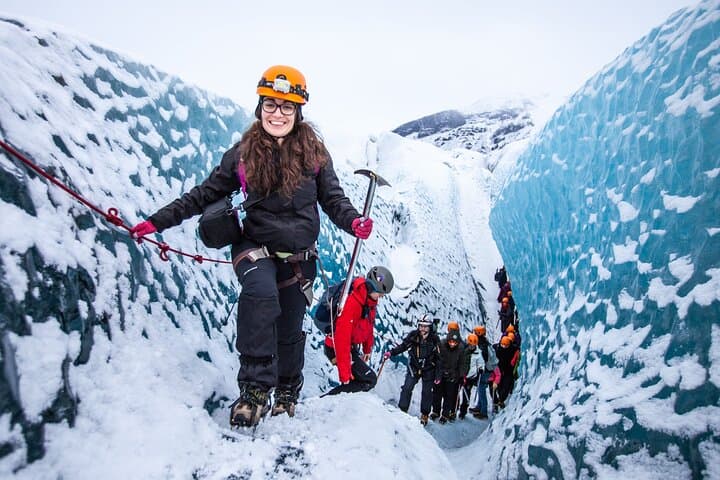
Beneath a sky of shifting light, Skaftafell’s ice reads like a map of time. This three-hour guided glacier hike mixes technical instruction with geology and culture: compact, safe, and unforgettable.