
What the day feels like
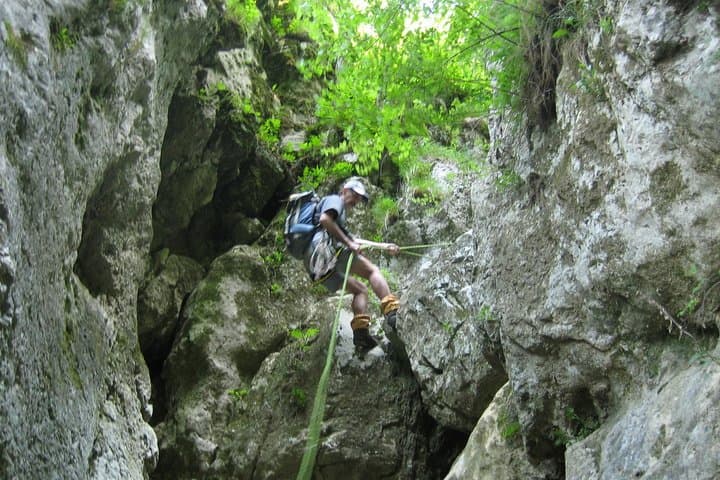
The canyon takes your breath before you do. Rock narrows, water hums, and a vertical face appears where the map only shows a contour line. You clip in, feel the nylon callused by other hands, and begin to descend into a cleft carved by time. Rocks here are lean and sharp, limestone folded into teeth. Water moves like an honest companion—cold, insistent, willing to push you forward if you let it. By the time you reach the bottom, the gorge has rearranged how you think about scale: a once-flat plan becomes an immediate, vertical problem solved one careful rappel at a time.
This is canyoning in the Dâmbovicioara Gorges, a concentrated slice of the Piatra Craiului massif south of Brașov. The trip advertised as Canyoning on Dambovicioara Gorges from Brasov is a one-day immersion into a karst landscape where water has whittled channels and tunnels through limestone for millennia. The activity trades long approaches for immediate technical reward—expect several abseils, short swims, and sections of scrambling across polished rock. The headline moment is an 80-meter descent through a narrow shaft that tests trust in your gear and your guide, but the quieter sections—pools rimmed with moss, a sudden opening onto a meadow—are what keep you rooted afterward.
Geology here reads like an instruction manual for vertical thinking. Piatra Craiului is a limestone spine of the Southern Carpathians; rainwater dissolves calcium carbonate until fissures open into gorges and caves. Canyoning in Dâmbovicioara is intimate geology: you move through spaces originally created by slow chemistry, now traversed in a few concentrated hours. Culturally, this is sheep-and-forest Romania. Shepherds still move flocks seasonally across ridgelines, and village life in small settlements like Dâmbovicioara carries a cadence of wood smoke, homemade cheese, and stories about harsh winters—useful context if you linger after the descent.
Because the route drops directly into raw rock and water, local guides are not optional polish—they’re the fine line between exhilaration and risk. If you want an expert to manage ropes, anchor points, and the occasional stubborn stubbornness of a reluctant climber, you can book with organized teams that run from Brașov. A recommended provider organizes transfers from the city, supplies harnesses, helmets, neoprene, and experienced guides trained in both ropework and swift-water awareness; look for a guided descent listing and read equipment notes carefully before you go. For example, local experts offer a structured program that includes the full descent, instruction, and transport back to Brașov, which simplifies logistics for travelers based in the city.
Practical snapshot: the outing is about six hours from pickup to drop-off, priced from roughly $95 per person. Fitness matters more than technical climbing experience: you’ll be rappelling, climbing low-angle rock, and swimming in cold pools, so basic endurance and comfort with exposure will make the day enjoyable. The canyon itself is compact—relatively short approach, concentrated verticality—so you spend most of the day actively moving rather than hiking long distances.
Safety and timing are straightforward. Summer is the sweet spot: water is warmest, daylight is generous, and access roads are clear. Spring can be high-water and technical; winter brings ice and requires a completely different kit and skillset. A reputable operator does daily checks on water levels and weather, and cancellations for safety are common—welcome, not inconvenient.
What to expect on the day: a minibus from Brașov, a 45–75 minute drive into the hills, gear fitting, a brief skills refresher on anchors and rappels, and then a steady sequence of down-climbs and abseils. The signature 80-meter descent requires calm breathing and trust in your guide’s rigging. Between technical moves, you’ll find natural rests: sunlit pools, short terraces, and the occasional birdcall that reminds you this is a living landscape.
If you plan to book, aim for midweek or early morning slots in high season to avoid crowds. Bring a sense of practical adventure—leave vanity at home. Quick-drying clothes, a light daypack, waterproof phone protection, and a willingness to follow instructions are the essentials. And if you want to build the day into a longer trip, Brașov is an ideal base: medieval streets, solid restaurants, and enough guesthouses to suit any budget.
Canyoning here is not a thrill for its own sake. It’s a concentrated conversation with rock and water: timing, technique, and appreciation. When you climb out and the canyon exhales behind you, you carry a new map of the area—one of angles, anchors, and moments when everything clicked. For travelers who love manageable logistics with big sensory payoff, this guided canyoning descent is a perfect, do-able day that reads like a longer story when you tell it back home.
Book with a vetted guide and read the equipment notes closely; you will rappel, swim, and trust rope systems. For a reliable local option, try this guided [canyoning Dâmbovicioara Gorges guided descent from Brașov](https://app.advcollective.com/local-experts/canyoning-dambovicioara-gorges-guided-descent-from-brasov) which lists gear, pickup points, and safety protocols. If you want a deeper primer on ropes and techniques, look for operators that include a pre-descent briefing. For planning and reservations, find a certified team and secure a slot in advance—summer fills quickly.
In the end, the canyon keeps the memory simple: cold water, limestone, one good rope. It’s the sort of day that’s both manageable for a fit traveler and unambiguously wild. If you go, come ready to descend—both physically and mentally—and to leave with a clearer sense of why people love vertical places.
Trail wisdom
Small choices, better day.
Trust the Guide
Local guides set anchors and manage ropes—listen to instructions and ask questions during the pre-descent briefing.
Footwear Matters
Wear sturdy, closed-toe canyon or approach shoes with good rubber; wet rock is slippery and grip beats fashion.
Bring a Dry Phone Case
A waterproof case or action camera will let you capture moments without risking electronics.
Hydrate & Eat Smart
Bring electrolyte water and a compact, high-energy snack—ropework is surprisingly draining.
Local knowledge
Read the place, not just the route.
Watch for native species including Chamois (rupicapra) in higher ridgelines, Common buzzard and other cliff-nesting raptors.
Keep an eye out for wildlife during the transition between areas and habitats. Respect distance guidelines.
Canyons are sensitive karst environments—stick to established routes, avoid leaving gear or trash, and follow guide instructions to minimize impact.
Follow the guide's instructions on size limits, ethical handling, and leave-no-trace practices.
A short side walk to a meadow viewpoint above the gorge with panoramic ridge views. Dâmbovicioara village for homemade cheese and polenta at a local guesthouse
Locally recommended viewpoints and quiet spots known best to local operators.
The Piatra Craiului massif is a limestone ridge shaped by karst processes; local shepherding traditions persist in valley communities.
Maritime roots and regional tradition shape the waterways and working coasts.
Seasonal guide
Four versions of the same landscape.
Spring
Best forHigher flows and dramatic water moves · Fewer crowds · Wildflower viewing near trailheads
ChallengesHigher water increases technical difficulty · Cold pools and hypothermia risk · Potential for closures due to runoff
Spring brings dynamic water conditions; experienced guides will adapt plans but expect colder swims and stronger currents.
Summer
Best forWarmest water temperatures · Stable weather and long days · Easiest access to roads
ChallengesHigher demand and crowded weekends · Sun exposure at trailheads · Possible afternoon storms
Summer is the optimal season for canyoning here—comfortable water and reliable logistics make it the busiest time.
Fall
Best forCrisp air and changing light · Lower crowds than summer · Great post-trip autumn colors
ChallengesCooling water and shorter daylight · Increased chance of rain · Lower temperatures at altitude
Fall offers crisp conditions and fewer people but watch for rapidly cooling water and earlier sunsets.
Winter
Best forOff-season quiet · Seeing the landscape in a different light
ChallengesIce and freezing water make standard canyoning unsafe · Requires specialized gear and experience · Many operators suspend trips
Winter generally closes this canyon to commercial trips unless you have specialized ice-canyoning skills and equipment.
Operator details
What the booking data adds.
Included
- ✓Hotel drop-off
- ✓Hotel pickup
- ✓Use of helmet
- ✓Transport by private vehicle
Not included
- —Food and drinks
- —Souvenir photos (available to purchase)
Good to know
- ✓Not recommended for travelers with poor cardiovascular health
- ✓Not recommended for pregnant travelers
- ✓Not recommended for travelers with spinal injuries
- ✓Travelers should have at least a moderate level of physical fitness
- ✓Minimum age is 18 years
- ✓May be operated by a multi-lingual guide
- ✓Minimum number of participants: 4
Pack with intention
What to bring.
Good to know
Common questions.
No technical climbing experience is required—guides teach ropework and rappel techniques—but you should be comfortable with exposure and moderate physical effort.
Plan the edges
The details that make the day easier.
The Piatra Craiului ridge is a narrow limestone crest of the Southern Carpathians, formed by karst processes over millions of years.
After the descent, head back to Brașov Old Town for hearty Romanian fare—think sarmale and mamaliga—paired with a local craft beer in Piata Sfatului. For a quieter stop, try Dâmbovicioara village guesthouses for fresh cheese and a slice of rural life.
- Closest airport
- Bucharest OTP (2.5 hr drive) or Brașov-Ghimbav (45 min). Driving from Brașov: ~45–75 minutes. Cell service: available near village and road; limited inside the gorge. Permits: none for recreational canyoning but guided trips recommended.
This is a fragile karst environment—pack out all trash, avoid using soaps in streams, and stay on established routes to protect cave and spring systems.
Explore by topic
Follow the threads.
Keep exploring
Make the story part of the trip.
Set out from Bass Harbor for a private, customizable day on Blue Hill Bay — lighthouses, puffins, seals, and the chance to feel Acadia from the water. Small groups, local captains, unforgettable views.
In four hours you can move from shaded canyon ferns to wind-scoured coastal ridgelines, guided by someone who knows where the light—and the hidden views—live. This private half-day hike on the Monterey Peninsula or Big Sur is compact, curated, and perfect for travelers who want depth without a multiday commitment.
 Related story
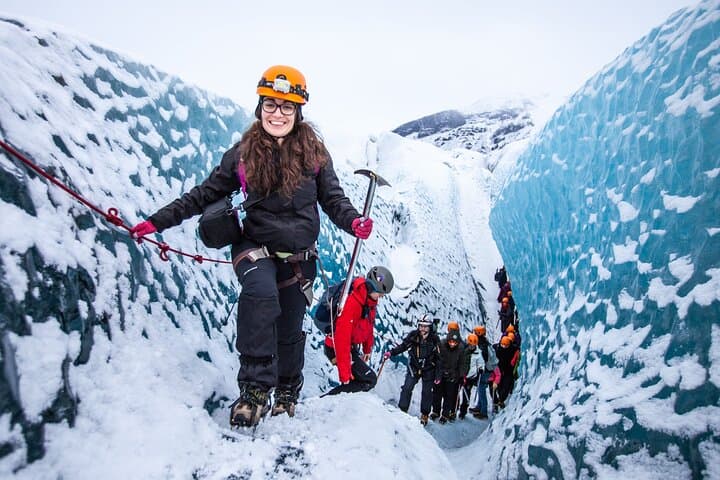
Beneath a sky of shifting light, Skaftafell’s ice reads like a map of time. This three-hour guided glacier hike mixes technical instruction with geology and culture: compact, safe, and unforgettable.