
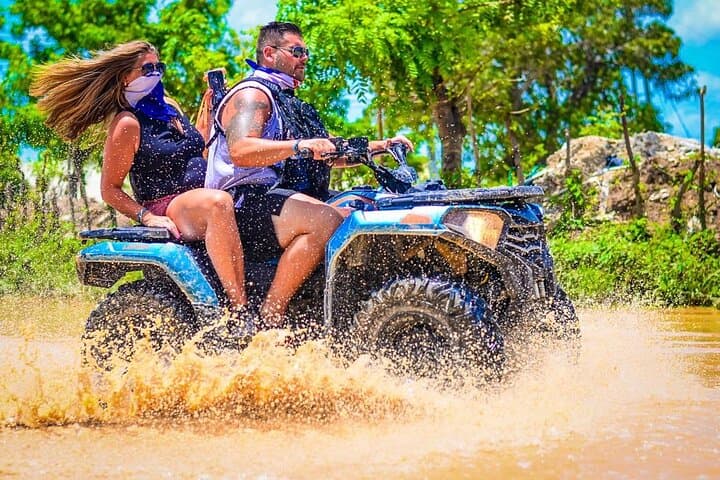
What the day feels like
The first thing the buggy teaches you is speed. Not the reckless kind, but the practical, wind-in-your-face lesson that the coast and country of Punta Cana are best tasted at a brisk pace. You lift off from a resort-lined access road, slip past manicured palms and into raw, limestone country where the engine’s rumble competes with the clack of gravel and the distant surf. Sand sprays like a salt confetti as the trail breaks open to a scrubby coastal plain; palms lean, as if cued by a director, to offer fleeting pocket vistas of Atlantic blue.
This is the feel of the 4 Hour Buggys Adventure Tour in Punta Cana: part joyride, part discovery loop. The itinerary threads together three elements that make the eastern Dominican Republic sing—coastline, karst country, and cacao culture—each given a moment to matter. Within the span of 180–240 minutes, you’ll swap resort comfort for unvarnished landscape: beaches that dare you to slow down, a cool freshwater sinkhole (locally an ojo de agua or cenote) that offers relief, and a small organic cacao stop where chocolate goes beyond souvenir status into something you can taste and trace to the tree.
Geologically, Punta Cana sits on a patchwork of coralline limestone—porous, riddled with underground streams and sinkholes—that sculpts the inland terrain and feeds the island’s freshwater pools. Across short distances the land transitions from white sand to thorn scrub to shaded claro where a cenote collects rain and underground springs. That same coral and reef margin forms the coastline’s barrier to the east, so the sea’s turquoise sits close; the sound of waves becomes the trail’s constant companion, urging you forward.
Historically and culturally, any excursion into the Dominican countryside brushes up against layers of identity. Taino names and artifacts still surface in museums and local lore. The cacao you’ll taste is a modern thread through that past—Dominican growers have a long relationship with cacao cultivation, and smallfarm tastings are a way to meet producers outside the glossy gift shop narrative. Guides on this tour are often from local communities; their jokes, accents, and explanations are how place becomes personal.
Practical specifics matter on this trip because the glamor lies in doing it right. Expect 3–4 hours on the move, covering roughly 30–50 kilometers on a mix of sandy beach tracks, compact dirt roads, and occasional wet ruts. Elevation gain is negligible—this is coastal, flat terrain—so don’t come for vertical challenge; come for surface variability and a hands‑on driving experience. Buggies are user-friendly but require attention: low-end torque through sand, torque steer on tight turns, and a tendency to slide when momentum drops. Guides brief every driver; vehicles are typically two-seat, with safety equipment and helmets provided.
Why book it? The loop compresses variety into a half day. You’ll get a taste of Dominican rural life—short farm stops, a chance to sample locally made chocolate, a dive into a sinkhole, and a relaxed beach cooldown. It’s accessible to families, small groups, and anyone who prefers active sightseeing over passive transport. For photographers, the quick shifts in light—from high sun on the shore to dappled shade at the cenote—keep compositions interesting; for food-minded travelers, the cacao stop reframes souvenir shopping into a sensory lesson.
Good planning stretches the value of a short tour. Bring a bandana or buff to tame wind and dust, close-toed shoes for the buggy controls and for short hikes at stops, and a small waterproof bag for your phone and wallet. Dress in layers: the coast can be breezy while the interior squats with still heat. Hydrate before you leave; even a short Caribbean afternoon can dehydrate fast. Most operators offer instant confirmation and free cancellation—this one does—so booking a morning slot during the dry season (December–April) locks in better light and fewer showers.
On the sustainability front, choose operators who limit group size, stick to designated tracks to protect fragile coastal vegetation, and partner with local farms for cultural stops. Little choices—passing on single‑use plastic water bottles, tipping local guides directly, and resisting the urge to carve into palms—make a difference in high-traffic zones near resorts.
By the end of the loop you’ll have sand in places you didn’t know sand could reach and a short list of sensory souvenirs: the mineral snap of local chocolate, a memory of green, cold water when the sun was highest, and the uncomplicated joy of running a course of earth and sea. The best tours leave you wanting less spectacle and more stories; this one offers both in a tidy four-hour parcel.
If you’re planning the day, aim for morning departures to avoid the hottest sun and afternoon wind pick-up. Combine the tour with a lazy beach afternoon or an evening in Bávaro for seafood and a rum-based toast. For first-timers, this is a practical, playful primer on the Dominican interior; for repeat visitors, it’s a reminder that the country’s edges—where land meets sea and farms meet sand—hold the smallest, sharpest surprises.
Trail wisdom
Small choices, better day.
Drive the trail before you drive the throttle
Attend the pre-run safety briefing, test the buggy in a low‑speed area, and keep hands firmly on the wheel in sand sections.
Bring a dry bag for valuables
Sand and splashes are constant; protect electronics and documents in a small waterproof pouch.
Protect from the sun
Light long sleeves, sunscreen, and a hat under your helmet reduce sunburn and wind‑burn on exposed neck and face.
Plan for photos at golden hour
Morning or late afternoon light improves color and reduces harsh highlights—charge your camera before departure.
Local knowledge
Read the place, not just the route.
Watch for native species including Brown pelican, Iguana (ground and tree species).
Keep an eye out for wildlife during the transition between areas and habitats. Respect distance guidelines.
Stick to marked trails to protect fragile coastal vegetation and avoid launching buggies on dunes; support operators who recycle and limit single‑use plastics.
Follow the guide's instructions on size limits, ethical handling, and leave-no-trace practices.
El Macao Beach—less developed stretch of sand perfect for a quiet cooldown. Small family cacao farms on the inland loop where you can taste single‑estate chocolate
Locally recommended viewpoints and quiet spots known best to local operators.
The Punta Cana region grew rapidly in the late 20th century as tourist infrastructure expanded, but inland communities retain agricultural traditions including cacao production.
Maritime roots and regional tradition shape the waterways and working coasts.
Seasonal guide
Four versions of the same landscape.
Spring
Best forFewer crowds · Warm water swims · Wildflower edge on trails
ChallengesOccasional rain showers · Variable surf conditions
Spring (March–May) warms the coast; expect pleasant mornings and occasional brief rains—good for fewer crowds and vibrant green scenery.
Summer
Best forExtended daylight · Warmest swim temps · Lush interior vegetation
ChallengesHigher humidity · Afternoon storms · Puntual heat
Summer delivers lush inland scenery and hot beaches; pick morning runs to avoid afternoon storms and heat.
Fall
Best forLower prices · Quieter trails · Good light for photography
ChallengesHurricane season risk (Aug–Nov) · Unpredictable weather windows
Fall can be quieter and more affordable, but stay alert to tropical storm advisories during peak season months.
Winter
Best forDry conditions · Comfortable daytime temps · Stable seas
ChallengesHigher tourist numbers · Higher rates
Winter (Dec–Apr) is the dry season—ideal for stable trail conditions and clear skies, though bookings fill quickly.
Operator details
What the booking data adds.
Included
- ✓Round Trip Transportion
- ✓Drive your buggy/ATV
- ✓Mamajuana, chocolate and coffee taste
- ✓Time at the Cenote
- ✓Visit to Macao Beach
Not included
- —Lunch
Good to know
- ✓Infants and small children can ride in a pram or stroller
- ✓Public transportation options are available nearby
- ✓Not recommended for travelers with spinal injuries
- ✓Not recommended for pregnant travelers
- ✓Not recommended for travelers with poor cardiovascular health
- ✓Suitable for all physical fitness levels
Pack with intention
What to bring.
Good to know
Common questions.
Most operators require a valid driver’s license for anyone operating a buggy; passengers do not need one—check the provider’s policy at booking.
Plan the edges
The details that make the day easier.
The Dominican Republic is one of the Caribbean’s top producers of organic cacao, and small farms in the region supply specialty chocolate makers.
After the loop, head to Bávaro for fried fish and cold Presidente beer at a beach palapa, or stop at a local cacao farm for a chocolate tasting and a conversa with the producer—finish with a plate of La Bandera if you want a true Dominican meal.
- Closest airport
- Punta Cana International Airport (PUJ). Typical driving distance: 20–45 minutes from resort areas. Cell service: generally good near towns, may drop on inland tracks. Permits: none required; operator handles access to private stops.
Respect marked tracks to avoid destabilizing dunes and coastal vegetation; support operators engaging local communities and sourcing cacao from sustainable farms.
Explore by topic
Follow the threads.
Keep exploring
Make the story part of the trip.
Set out from Bass Harbor for a private, customizable day on Blue Hill Bay — lighthouses, puffins, seals, and the chance to feel Acadia from the water. Small groups, local captains, unforgettable views.
In four hours you can move from shaded canyon ferns to wind-scoured coastal ridgelines, guided by someone who knows where the light—and the hidden views—live. This private half-day hike on the Monterey Peninsula or Big Sur is compact, curated, and perfect for travelers who want depth without a multiday commitment.
 Related story
Beneath a sky of shifting light, Skaftafell’s ice reads like a map of time. This three-hour guided glacier hike mixes technical instruction with geology and culture: compact, safe, and unforgettable.