
What the day feels like
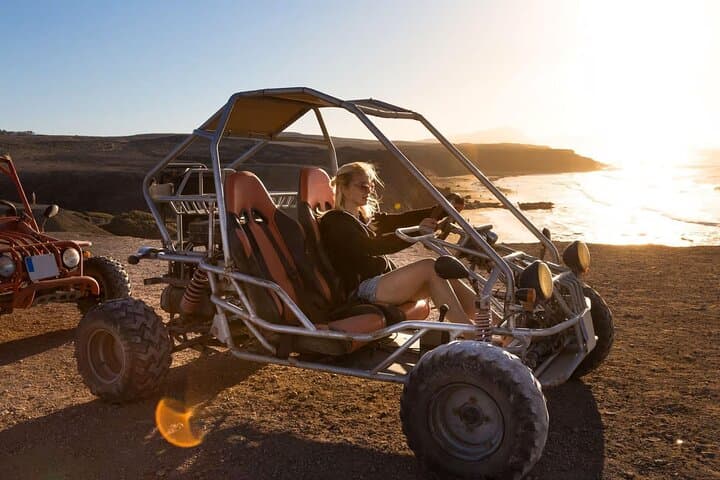
The engine coughs awake before the light fully bleeds over the ridgeline. A salty breeze from the Atlantic mixes with dust and dry thyme; the first turns of the buggy lift your pulse the way the trail throws up rooster tails of sand. Ahead, a string of whitewashed Amazigh houses perches on a low ridge—silent witnesses to a countryside that refuses to be tamed by neat roads. For two hours you will be invited to push a compact machine and your own comfort zone across the scrubby hills just outside Agadir, punctuated by an Amazigh breakfast that tastes of olive oil, flatbread and mountain honey. It feels raw and immediate in a region where modern Morocco rubs shoulders with the old ways.
What makes this little circadian spin special is how it threads landscape and culture. Agadir itself is a city of sun and surf built anew after the earthquake of 1960; its low-rise modernism gives way, in a short drive, to argan forests, terraced plots and the patchwork fields of Berber—or Amazigh—villages. The geology is simple but honest: eroded sandstone and limestone outcrops, the rounded foothills leading to the High Atlas beyond, and coastal plains that were once wind-carved dunes. The buggy route hops between hard-packed trails and soft sand bowls, borders olive groves and argan clusters (whose endemic trees are the source of the prized argan oil), and pauses at vantage points where the Atlantic melts into blue-gray horizon.
Culturally, this ride is an accessible way to enter Amazigh country. The tour often includes a stop in a local village for a traditional breakfast—an intimate ritual that is both sustenance and slow diplomacy. You’ll sit on low benches, share bread, and learn, in a few gestures and words, how everyday life is arranged around seasonal farming and communal rituals. The guides, typically local drivers who know how to coax a buggy up a tricky berm, are also informal storytellers: they translate landscape into livelihood, explain where the argan fruit comes from and how the lanes between fields trace old water courses.
The thrill is neither faux-daring nor technical extreme. Expect tight turns, short climbs and occasional ruts that require focus rather than technical skill. The machine responds to hands that are ready to work—light steering, measured braking—and it rewards riders with views that unfold like a sequence of postcards: a coastal plain with grazing goats, a village square blotted with laundry, a cliff face glazed gold at late afternoon.
Practicals matter here. The tour is a two-hour experience, usually offered in morning and afternoon sessions to dodge the peak-heat hours; Viator lists a starting price around $79 USD. Meet-up is typically in central Agadir or at a nearby launch point; expect a mix of paved drive and dirt road to reach the trailhead. The terrain is varied but short—this is a half-day pick-me-up rather than a multi-day expedition—so wear closed-toe shoes, sun protection and a lightweight layer for the early chill. Hydration is essential: the region’s sunshine is dry and insistent even when temperatures feel moderate.
Safety is straightforward but real: helmets are standard, and the vehicle will limit your top speed, but rocks and unexpected berms require vigilant hands and a willingness to back off when a line looks wrong. Respect the route: most operators use designated paths to avoid damaging fragile soils and argan roots. Take photos at designated stops rather than leaning into a line of scrub; the landscape is resilient but not invincible.
When to go? Spring and fall are the sweet spots—comfortable temperatures, blooming scrub and clearer air. Summer can be uncomfortably hot during midday, while winter carries occasional rain that turns some tracks into clay traps. The morning session adds the benefit of softer light and cooler air; the afternoon run offers warmer tones and the possibility of finishing with a sunset over the Atlantic.
Who is this for? Adventure-seekers who like a dash of speed without committing to motorsport intensity, travelers who favor cultural contact with a practical edge, and anyone who wants a condensed taste of southwestern Morocco’s geography without a long hike. It’s good for couples, friends and small private groups; operators often run private tours, making it an easy add-on for families who want a bit of kinetic fun between beach and market.
The memory you bring home won’t be just about speed. It’s the sensation of the land moving around you—the argan trees that seem to watch, the way gulls circle over coastal scrub, and the convivial clatter of a shared breakfast in a stone-walled courtyard. That tangible link between motion and place is the tour’s quiet selling point: you aren’t merely visiting a landscape, you’re negotiating it for a short, brilliant time.
For planning: book a morning slot in spring or fall, bring sun protection and a small daypack, and ask the operator about meet-up logistics and any mobility restrictions. If cultural contact is important, request a stop in a village and let your guide know you’d like a proper breakfast experience. Finally, practice simple respect—drive lines designated by the guide, tip generously if the local families invite you into their homes, and buy a small jar of argan oil at a cooperative if you want a souvenir with provenance.
Two hours after the engine first started, you return with dust in your hair and a better sense of why Agadir is more than beaches: it’s a hinge between Atlantic surf and highland traditions, a place where an off-road run becomes a short, illuminating immersion in landscape and culture.
Trail wisdom
Small choices, better day.
Choose Morning or Late Afternoon
Book the early or late session to avoid midday heat and capture the best light for photos.
Wear Closed-Toe Shoes
Sturdy sneakers or light hiking shoes protect feet from sand, rocks and the occasional mud patch.
Hydrate Before You Go
Bring a liter of water—two if it’s summer—and sip steadily; desert humidity is low and dehydration sneaks up fast.
Respect Designated Tracks
Stay on the marked routes to protect argan roots and avoid eroding fragile soils.
Local knowledge
Read the place, not just the route.
Watch for native species including Barbary macaque, Migratory flamingos and assorted shorebirds.
Keep an eye out for wildlife during the transition between areas and habitats. Respect distance guidelines.
Stick to designated trails to protect argan trees and fragile soils; support local cooperatives and avoid single-use plastics to reduce footprint.
Follow the guide's instructions on size limits, ethical handling, and leave-no-trace practices.
Coastal fishing village of Taghazout for surf culture and seafood. Small argan cooperatives where you can see traditional argan oil processing
Locally recommended viewpoints and quiet spots known best to local operators.
Agadir was largely rebuilt after a devastating 1960 earthquake; the surrounding villages preserve Amazigh (Berber) cultural traditions that predate modern urban development.
Maritime roots and regional tradition shape the waterways and working coasts.
Seasonal guide
Four versions of the same landscape.
Spring
Best forWildflower blooms · Comfortable temps · Off-season calm
ChallengesOccasional wind · Dusty tracks
Spring offers mild temperatures and floral dustings on the hills—ideal for clearer views and comfortable driving.
Summer
Best forLong daylight hours · Clear skies
ChallengesHigh midday heat · Stronger sun exposure
Summer brings intense sun—plan morning or late-afternoon runs and carry extra water and sun protection.
Fall
Best forPleasant temps · Stable weather · After-harvest colors
ChallengesVariable winds · Shortening daylight
Fall mirrors spring in comfort and visibility, with warm days and cooler mornings—excellent for photography.
Winter
Best forCooler rides · Less tourist bustle
ChallengesOccasional rain and muddy tracks · Chill at dawn
Winter can be cooler and wetter—check conditions in advance as some tracks may become slippery.
Operator details
What the booking data adds.
Included
- ✓Private transportation
- ✓Air-conditioned vehicle
Not included
- —Alcoholic Beverages
- —Gratuities
Good to know
- ✓Public transportation options are available nearby
- ✓Suitable for all physical fitness levels
Pack with intention
What to bring.
Good to know
Common questions.
The experience lasts approximately two hours including meet-up, trail time and a cultural stop for breakfast.
Plan the edges
The details that make the day easier.
Argan trees are native to southwestern Morocco and the argan biosphere near Agadir is recognized for both its ecological importance and its role in local economies.
After your run, head to Agadir’s port or Medina markets for freshly grilled fish, a mint tea at a small café, or to try tagine; pick up a jar of argan oil from a cooperative for an authentic souvenir.
- Closest airport
- Agadir Al Massira (AGA); Typical drive from central Agadir: 20–40 minutes to trailhead; Cell service: Reliable near town, patchy on remote tracks; Permits: None usually required—book through licensed operators.
Stay on established tracks to protect argan root systems, purchase souvenirs from certified cooperatives, and carry out all trash to minimize your environmental impact.
Explore by topic
Follow the threads.
Keep exploring
Make the story part of the trip.
 Related story
Less than two hours from Nairobi, Kereita Forest pairs hands-on canopy adventure with quiet montane trails and a sobering colonial history—perfect for families, teams, and curious travelers seeking a full-day pulse of nature.
Set out from Bass Harbor for a private, customizable day on Blue Hill Bay — lighthouses, puffins, seals, and the chance to feel Acadia from the water. Small groups, local captains, unforgettable views.
In four hours you can move from shaded canyon ferns to wind-scoured coastal ridgelines, guided by someone who knows where the light—and the hidden views—live. This private half-day hike on the Monterey Peninsula or Big Sur is compact, curated, and perfect for travelers who want depth without a multiday commitment.