
What the day feels like
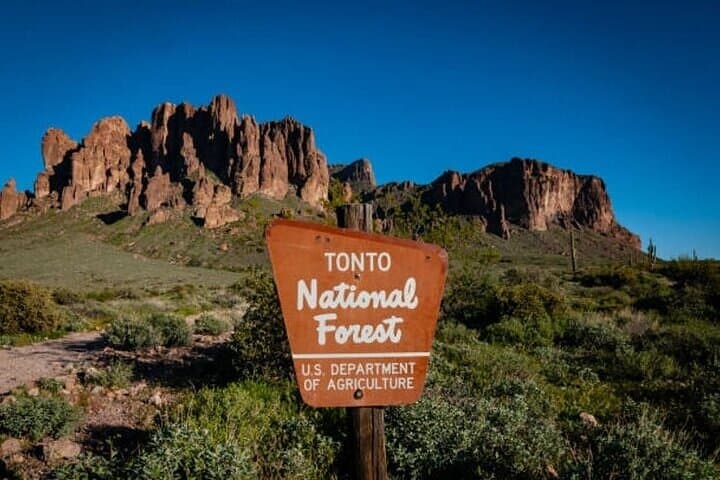
The last hour of light in the Sonoran Desert is a lesson in slow, intentional spectacle. As our rig crests a low ridge, the valley below—clotted with creosote and the spiny silhouettes of saguaros—takes on a honeyed glow. The guide—the kind who has navigated these tracks since before they were on any map—cuts the engine and the desert fills in: a hush, a distant coyote call, wind lifting dust into a ribbon that the sun paints rusty-orange.
This is the heartbeat of a Phoenix offroad sunset tour: equal parts seat-of-the-pants driving and patient watching. You move across bouldered washes, skirt sandy basins and pause where the terrain frames the horizon. The vehicles are built to take the bumps; the route is chosen to make the most of light and safety. For five to six hours you are simultaneously an observer and an active participant—roller-coaster speed on the rough sections, meditative silence on the vantage points where the sky combusts in magenta and gold.
The Sonoran Desert is not an empty place. It’s a layered landscape shaped by deep time and human presence. Geologically, the basin-and-range topography you see here is the product of tectonic stretching that lifted blocky ranges and dropped broad valleys. Granite outcrops and ancient volcanic flows punctuate the softer alluvial fans where desert plants hold on. Botanically, this is one of North America’s most biodiverse deserts—saguaro cacti stand like sentinels, their arms slow to grow yet quick to anchor a hummingbird’s perch in spring.
Human history threads through this environment. Indigenous peoples—Hohokam, Tohono O’odham and others—have left traces in rock art and irrigation knowledge; they lived with and learned from the timing of rains and the rhythms of desert life. More recently, 19th- and 20th-century prospectors and ranchers carved roads and water points that later became whatever offroad trails remain. Respecting those histories matters: the land is not merely a backdrop for sunsets but a lived place with stories.
A guided offroad evening near Phoenix is also an efficient way to encounter that story without needing technical skills. Guides explain the flora and fauna, set a sensible pace, and keep the vehicles within the fragile margins of the habitat. If you want more than a thrill—if you want context for what you’re seeing—choose a small-group tour and ask questions. A well-run outfit will teach you how to read a wash, why saguaros look the way they do, and how monsoon clouds change the chemistry of a sunset.
Practical bits: tours typically last 5–6 hours and return you to the city after dark. Expect a mix of low-speed technical sections and faster washes; vehicles are 4x4, purpose-built for passengers, but bring a flexible attitude—dust, wind and rocky stretches mean sudden shifts in rhythm. Dress for temperature swings: desert afternoons can be hot, desert evenings crisp. Bring sun protection and a light layer. Hydration is non-negotiable; the dry air steals moisture more quickly than you feel.
For photographers the possibilities are immediate: golden-hour side light on cactus ribs, long shadows that sharpen the desert’s contours, and sky gradients that move from gold to indigo in under an hour. That said, keep your gear compact and protected from dust. A modest telephoto (70–200mm) and a wide lens (16–35mm) will cover most needs; a tripod is useful but optional if you want to stay mobile.
Local operators balance access and stewardship. The best ones keep driving to old routes or designated areas, avoid fragile washes, and brief passengers on Leave No Trace principles. If conservation matters to you, ask about group size limits, route rotation to prevent erosion, and how the company contributes to local land stewardship.
Why book this? An offroad sunset tour from Phoenix is an immediate and sensory introduction to the Sonoran Desert—fast enough to satisfy adventure-seekers, grounded enough to teach you to read the landscape. It’s an excellent evening for visitors with limited time in Arizona: you get desert geology, a sunset spectacle, and a guided explanation of what you’re seeing without needing to navigate or drive yourself. For locals it’s a reminder of the dramatic light and quiet that change with the season.
If you’re ready to go, pick an operator with good safety practices, a clear cancellation policy and a vehicle that looks maintained rather than cobbled. Book a slot that leaves Phoenix a couple of hours before sunset to catch the golden window and avoid rushing. And most of all, resist the urge to over-photograph—there are moments when standing quietly and letting the desert finish its show is the best souvenir.
To find a vetted guide and read what to expect from routes and vehicles, consider booking a vetted option here: <a href="https://app.advcollective.com/local-experts/thrilling-offroad-adventure-and-sunset-views-in-the-sonoran-desert">Thrilling offroad adventure and sunset views in the Sonoran Desert</a>. For background on local routes, seasonal conditions and conservation-minded operators, this link is also a practical next step: <a href="https://app.advcollective.com/local-experts/thrilling-offroad-adventure-and-sunset-views-in-the-sonoran-desert">book a guided Sonoran Desert offroad sunset</a>.
When the sun finally slips and the first stars appear, the desert takes on another dignity. The ride back to Phoenix is quieter; you carry a small, private archive of colors and places that feel older than the city lights slipping open ahead. If you want an easy, intense, and teachable taste of Arizona’s desert—this is the kind of tour that delivers both the rush and the story.
Trail wisdom
Small choices, better day.
Hydrate Early
Start with at least 1 liter of water before you board and carry another 1–2 liters—desert air dehydrates faster than you notice.
Layer for Rapid Temperature Change
Bring a light insulated layer for post-sunset chill; temperatures can drop significantly after the sun goes down.
Protect Against Dust
Use a buff or bandana and keep camera gear in sealed cases—dust is the constant companion on offroad trails.
Choose a Small Group
Smaller tours mean quieter stops, better photo opportunities, and less environmental impact.
Local knowledge
Read the place, not just the route.
Watch for native species including Gambel’s quail, Coyote.
Keep an eye out for wildlife during the transition between areas and habitats. Respect distance guidelines.
Choose operators that stay on durable routes and participate in local habitat restoration; avoid driving on washes and off designated tracks to reduce erosion.
Follow the guide's instructions on size limits, ethical handling, and leave-no-trace practices.
A small, wind-sheltered wash with dense cholla stands—great for close-up cactus photography. An unmarked granite outcrop favored for unobstructed 360-degree sunsets
Locally recommended viewpoints and quiet spots known best to local operators.
The Sonoran Desert has been inhabited for thousands of years; Indigenous groups like the Hohokam developed canal systems and deep knowledge of seasonal resources.
Maritime roots and regional tradition shape the waterways and working coasts.
Seasonal guide
Four versions of the same landscape.
Spring
Best forWildflower blooms · Mild daytime temperatures
ChallengesOccasional wind · Crowds on weekends
Spring offers pleasant weather and desert blooms—great light and active wildlife, though wind can stir dust on exposed ridgelines.
Summer
Best forDramatic monsoon skies · Fewer tourists
ChallengesExtreme heat · Flash-flood risk during storms
Summer brings intense heat and sudden monsoonal storms—book evening tours to avoid daytime heat and watch for rapidly changing weather.
Fall
Best forStable, comfortable temperatures · Crisp, clear sunsets
ChallengesShorter daylight windows · Busy holiday weekends
Fall is ideal: cooler days and reliable, vivid sunsets—plan earlier departures as days shorten through November.
Winter
Best forCool daytime exploring · Clear night skies for stargazing
ChallengesCold evenings · Possible road washouts after rare heavy rains
Winters are mild by northern standards, but evenings can be chilly—layer up and expect crisp air and exceptional starlight.
Operator details
What the booking data adds.
Included
- ✓Private transportation
- ✓Bottled water
- ✓Air-conditioned vehicle
- ✓All Fees and Taxes
- ✓Expert Guide
Not included
- —Foods and Drinks
- —Gratuities/Tips to Guide
Good to know
- ✓Specialized infant seats are available
- ✓Not recommended for travelers with spinal injuries
- ✓Not recommended for pregnant travelers
- ✓Public transportation options are available nearby
- ✓Infants and small children can ride in a pram or stroller
- ✓Suitable for all physical fitness levels
Pack with intention
What to bring.
Good to know
Common questions.
Tours run approximately 5–6 hours, leaving Phoenix in the late afternoon and returning after dark.
Plan the edges
The details that make the day easier.
The Sonoran Desert is one of the most biodiverse deserts in North America, hosting more than 2,000 plant species and a unique community including the iconic saguaro cactus.
After the tour, head back to Phoenix or nearby Scottsdale for Sonoran-style Mexican food and a craft beer—try a mesa-side patio or Old Town Scottsdale’s restaurants; Arizona Wilderness Brewing Co. and local taco joints offer a satisfying local meal.
- Closest airport
- Phoenix Sky Harbor (PHX); Driving distance: ~30–60 minutes from central Phoenix depending on route; Cell service: intermittent on route; Permits
- passes
- typically not required for guided tours—confirm with operator
Support operators who limit group sizes, stay on durable roads, and brief guests on Leave No Trace; avoid driving on washes which accelerates erosion and damages native plants.
Explore by topic
Follow the threads.
Keep exploring
Make the story part of the trip.
Set out from Bass Harbor for a private, customizable day on Blue Hill Bay — lighthouses, puffins, seals, and the chance to feel Acadia from the water. Small groups, local captains, unforgettable views.
In four hours you can move from shaded canyon ferns to wind-scoured coastal ridgelines, guided by someone who knows where the light—and the hidden views—live. This private half-day hike on the Monterey Peninsula or Big Sur is compact, curated, and perfect for travelers who want depth without a multiday commitment.
 Related story
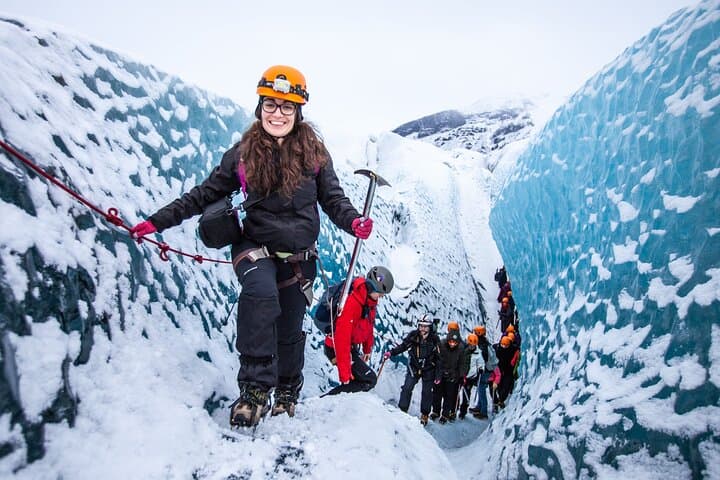
Beneath a sky of shifting light, Skaftafell’s ice reads like a map of time. This three-hour guided glacier hike mixes technical instruction with geology and culture: compact, safe, and unforgettable.