
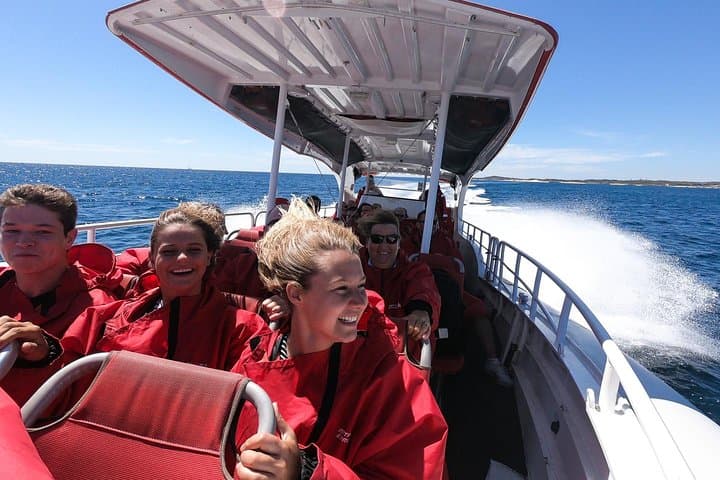
What the day feels like
The ferry hum fades into the background as the shoreline of Rottnest Island opens like a postcard: pale sand, a fringe of peppermint scrub, and water so clear the seabed seems painted in turquoise. You step off the jetty and the world shifts — fewer cars than bicycles, the air carrying salt and the faint sweetness of coastal wildflowers, and the island’s famously unflappable quokkas already moving through the shade like small, curious islands of fur.
This is not a languid island escape so much as a compact, kinetic day of marine and terrestrial adventure. The Viator full-day tour packages the essentials: a brisk ferry crossing from Perth or Fremantle, a high-speed wildlife cruise that skirts rocky points and spool-shaped reefs, time to snorkel among shipwrecks and reef gardens, and the option to pedal the island’s roughly 22 km loop road to discover hidden coves and lookouts. In eight hours you’ll get the satisfying rhythm of a place designed to be explored — water first, land second, with wildlife coming to meet you in between.
Rottnest’s story is both geological and human. The island is an uplifted limestone platform carved by sea and wind, its bays and reefs shaped over millennia. Dutch captain Willem de Vlamingh charted the island in 1696 and reportedly called it “Rattennest” after the quokka, a small wallaby that seemed, to European eyes, like a rat-sized land marsupial. That misread stuck in the map, but today Rottnest is better known for its fragile ecosystems — pine scrub, salt lakes hidden behind dunes, and fringing reefs that host colorful fish and occasional Australian sea lions.
Culturally, Rottnest is layered. It’s a holiday place for Perth families and a protected reserve with strict rules about wildlife and habitat. Respecting both makes the experience better: quokkas are charismatic but wild; the island’s reefs are resilient but vulnerable. Conscientious travel here means no feeding animals, staying off dunes, and using reef-safe sunscreen.
On the water, the coast refuses to sit still. The wildlife cruise is not a sedate glass-box tour; it’s a high-speed circuit that takes you around headlands where seabirds wheel and dolphins thread bow wakes. You’ll watch seals haul out on rocky skerries and may see pods of dolphins chase schools in the channel. The guides are good at reading the water — where columns of seabirds hover, there’s usually activity below.
Snorkeling is the day’s quiet counterpoint. Choose a sheltered cove like The Basin or tuck into a shallow reef near a shipwreck and you’ll be rewarded with coral bommies, lazy wrasse, and the odd inquisitive fish that will keep time with your breath. The water’s clarity means even amateur mask-and-snorkel users see a surprising diversity of life without needing technical gear.
Cycling the island’s loop road after a morning at sea feels like a deliberate slowing of pace. With modest hills (highest points are under 50 meters), the ride is accessible to most people with basic bike-fitness. Small beaches pop up between headlands and each turn yields another tempting cove — a place to stop, take a photo, or plan the next plunge.
Practicalities are straightforward but worth noting. The full-day tour is about eight hours from departure to return, and the operator typically runs from Fremantle or Perth. Book your ferry and tour in advance, especially in summer and holiday weekends; the island’s capacity is limited and the best snorkel and bike slots go fast. Wear closed-toe sandals or light hiking shoes for the rocky sections, bring a mask and snorkel if you own them (some tours provide equipment), and carry a reef-safe sunscreen to protect sensitive marine life.
Timing matters: mornings are glassier for snorkeling and quieter on the loop road; afternoon southwest sea breezes can pick up and chop the water. If you want to avoid crowds but still have plenty of sun, aim for shoulder seasons — spring and autumn — when temperatures are mild and the island’s wildflowers are in bloom.
Who should book this day? Families, casual adventurers, and solo travelers who want maximum variety in a single day. It’s also a good primer for people who want to stay overnight another time: the island’s pace changes after sunset and there’s a different, more contemplative feel to an evening when the day-trippers have left.
Rottnest is compact enough that the practical details matter: hydrate well, respect wildlife, and leave room in your day to wander. The reward is immediate — bright reefs beneath a vivid sky, a cheeky quokka in your camera frame, and the satisfying exhaustion that comes from a day spent switching between sea and land. It’s the kind of trip that asks only that you bring curiosity, sunscreen, and a willingness to pedal.
If you go, take a little extra time on the ferry deck to watch the shoreline recede. The island’s shape looks different from every angle; from a distance it’s a string of beaches and headlands, up close it’s a fragile world of small dramas: a seal slipping into the surf, a quokka peering through saltbush, a school of fish flashing silver like a secret.
This tour gives you the choreography of Rottnest in a single, well-paced day — an introductory cascade of marine life, island history, and open-air movement that leaves you better informed, better tired, and ready to plan a return.
Trail wisdom
Small choices, better day.
Book the early ferry
Morning crossings offer calmer water for snorkeling and fewer cyclists on the loop road; book in advance during peak season.
Bring reef-safe sunscreen
Protect coral and marine life—apply before boarding and reapply after swimming.
Respect quokka etiquette
Keep distance, don’t feed or pick them up—photographs are best without physical contact.
Pack a light lock for your bike
If you plan to cycle independently, a lock gives you freedom to explore coves without worrying about theft.
Local knowledge
Read the place, not just the route.
Watch for native species including Quokka, Dolphin pods and Australian sea lions.
Keep an eye out for wildlife during the transition between areas and habitats. Respect distance guidelines.
Rottnest is a protected reserve—visitors must stick to marked paths, avoid feeding wildlife, and use reef-safe products to preserve marine habitats.
Follow the guide's instructions on size limits, ethical handling, and leave-no-trace practices.
The Basin for sheltered snorkeling and easy water entry. West End coves for dramatic sunset views
Locally recommended viewpoints and quiet spots known best to local operators.
Charted by Dutch explorers in the 17th century, Rottnest was named for the quokka and later used in colonial times for various military and penal purposes.
Maritime roots and regional tradition shape the waterways and working coasts.
Seasonal guide
Four versions of the same landscape.
Spring
Best forWildflower displays · Calm seas for snorkeling · Mild cycling weather
ChallengesVariable winds · Occasional cool mornings
Spring brings mild temperatures and wildflowers; sea conditions are generally favorable for snorkeling and cruising.
Summer
Best forWarm water swims · Family holiday trips · Long daylight hours
ChallengesHigher temperatures · Bigger crowds · Stronger afternoon sea breezes
Summer is peak season—perfect for swimming but expect more people and stronger afternoon winds.
Fall
Best forCalmer seas · Fewer crowds · Good water clarity
ChallengesCooler evenings · Limited operator schedules late season
Autumn combines comfortable air temperatures with clear water and quieter beaches—ideal for a full-day outing.
Winter
Best forWhale and seal spotting from the boat · Quieter island experience
ChallengesCooler water temperature · Shorter daylight hours · Occasional rougher seas
Winter is quieter and can be dramatic; water is colder and weather can be changeable, but wildlife viewing remains rewarding.
Operator details
What the booking data adds.
Included
- ✓Rottnest Island Authority fee
- ✓Local guide
- ✓All taxes, fees and handling charges
- ✓Same day return ferry to Rottnest Island from Perth or Fremantle (selected at time of booking)
- ✓90-minute high-speed wildlife cruise
Not included
- —Hotel pickup and drop-off
Good to know
- ✓Not recommended for travelers with spinal injuries
- ✓Not recommended for pregnant travelers
- ✓Not recommended for travelers with poor cardiovascular health
- ✓Suitable for all physical fitness levels
- ✓By law, bicycle helmets must be worn when cycling, failure to do so can result in a fine
- ✓Seasonal tour operate mid September to April
- ✓Not suitable for children under 4 years old, expectant mothers, passengers with a pre-existing back injury or passengers confined to a wheelchair
Pack with intention
What to bring.
Good to know
Common questions.
The full-day tour is roughly eight hours and includes ferry transport, a high-speed wildlife cruise, time for snorkeling and swimming, and opportunities to cycle or explore the island independently.
Plan the edges
The details that make the day easier.
Rottnest Island was named 'Rattennest' by Dutch explorers in 1696 after they mistook the native quokka for a giant rat.
After a day on the water, grab a meal or a beer at the Rottnest Hotel or catch the ferry back to Fremantle to visit Little Creatures Brewery and the seafood restaurants along the Fremantle Fishing Boat Harbour.
- Closest airport
- Perth Airport; Typical departure: Fremantle or Perth CBD (Barrack St Jetty); Drive time from Perth to Fremantle: ~30 minutes; Cell service: patchy in secluded bays but decent in main settlement; Permits: Island entry and operator bookings required—check ferry and park rules before travel.
Rottnest Island is a protected reserve—pack out all trash, don’t feed wildlife, and use reef-safe sunscreen to minimize impact on coral and marine species.
Explore by topic
Follow the threads.
Keep exploring
Make the story part of the trip.
In four hours you can move from shaded canyon ferns to wind-scoured coastal ridgelines, guided by someone who knows where the light—and the hidden views—live. This private half-day hike on the Monterey Peninsula or Big Sur is compact, curated, and perfect for travelers who want depth without a multiday commitment.
 Related story
Beneath a sky of shifting light, Skaftafell’s ice reads like a map of time. This three-hour guided glacier hike mixes technical instruction with geology and culture: compact, safe, and unforgettable.
 Related story
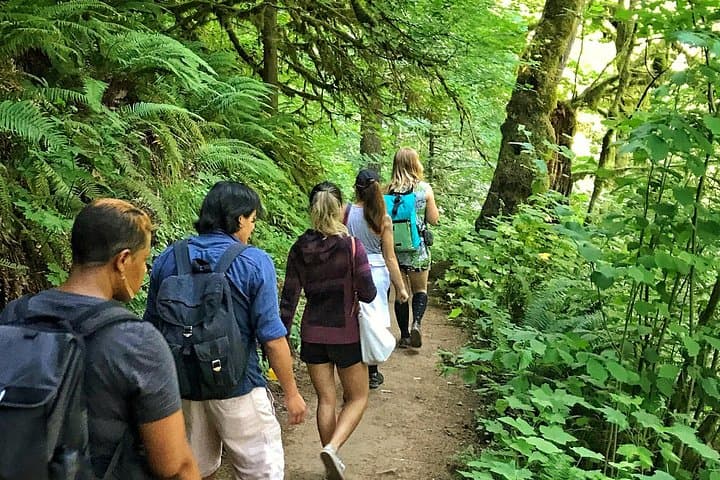
Lose the city for a few hours without leaving it: this 5-mile, 900-foot-gain Forest Park loop threads old-growth pockets, city viewpoints, and cultural landmarks for a compact taste of Portland’s wild side. Expect moss, roots, and stories.