
What the day feels like
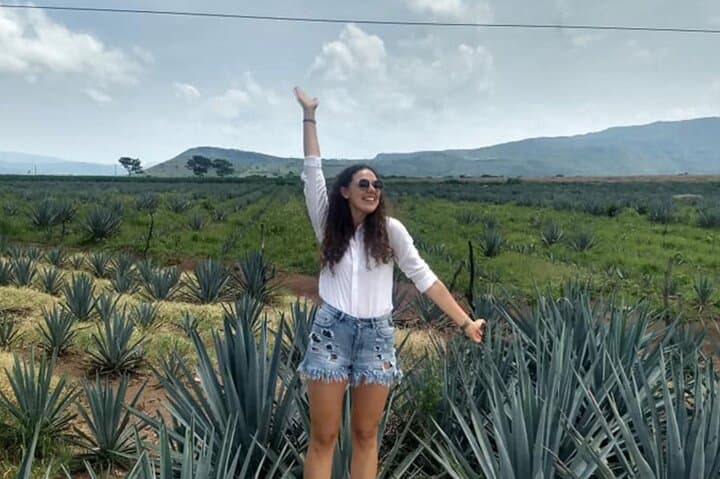
The bus rolls off the highway and the world tilts: blue-green agave plants roll away in terraces like a cultivated ocean, the serrated leaves catching sun and shadow. By the time you step onto Tequila's cobblestone main square, the town has already announced itself—bell towers punctuating a low skyline, vendors arranging citrus and clay cups, and the smell of cooked agave drifting from distant ovens. This is a day that pairs human craft with landscape—the slow industry of tequila making, and a place where centuries of labor and ritual are visible in every street and field.
A private tour of Tequila is as much about the people who have made the spirit as it is about the spirit itself. The town—designated a Pueblo Mágico—sits in the agave-rich basin west of Guadalajara. Geologically, the region owes its dramatic horizons to volcanic soils and a mild microclimate that coax blue agave to optimal sugar content. Generations of jimadores have learned to read the lands: which terraces keep moisture, which hills concentrate minerals, which plants yield the honeyed piña that becomes tequila.
History here is compact and proud. The town gave the spirit its name; distillation practices layered European techniques onto indigenous fermenting traditions. Some distilleries you’ll visit still use traditional methods— ovens for slow-cooking piñas, tahona wheels grinding cooked agave, and copper pot stills—while others mix modern efficiency with craft-driven tasting rooms. Along the way you’ll hear stories about the labor-intensive harvest, the festivals tied to the agave cycle, and why tequila is not just a drink but an identity.
Culture is present on the street level. On your walking tour, vendors sell clay cups called cazuelas for sipping a fresh cantarito; families gather at plazas to share plates of birria or carnitas; and small shops offer bottles wrapped in braided agave leaves. Your private guide—local and knowledgeable—will point out architectural details, tell the story of the town’s founding, and introduce the different classes of tequila: blanco, reposado, añejo. You’ll taste, of course, but you’ll also learn how terroir, cooking time, and barrel age shift flavor profiles.
This is a practical adventure as much as an aesthetic one. Expect a 6–7 hour day (roughly 360–420 minutes), starting from pick-up in Guadalajara or a nearby meeting point. The tour is private, with instant confirmation and a price point that often includes transport, multiple distillery visits, tastings, and a stop at a local favorite—Cantaritos Che-Che’s—where the citrusy, salted cocktails feel like a reward after hours of walking and smelling smoke and agave. Timing matters: mornings are cooler and sweeter for agave fields; afternoons are best for relaxed tastings and people-watching on the plaza.
For travelers, the appeal is threefold: landscape, craft, and taste. The agave fields are a different kind of scenic—rhythmic, agricultural, and built to be read. Distilleries give you tangible steps from plant to bottle and allow you to taste the nuances between production styles. And the town itself is intimate and walkable, with warm-faced restaurants and tiny cantinas that reward curiosity.
Practical advice makes the day smoother. Wear broken-in shoes for cobblestones and light walking; bring sun protection—hat, sunscreen, and sunglasses—because Jalisco’s sun will find you in the agave rows. Carry a reusable water bottle for palate-reset between tastings; sipping water helps you taste more and avoid overdoing samples. Cash is useful for small purchases and tips, and book ahead if you want a specific distillery or a private tasting. Finally, be mindful of moderation: local drivers are professional, but you’ll want your wits about you when navigating narrow streets back to your vehicle.
Sustainability and respect are part of the tour’s subtext. The agave landscape is fragile: plants take seven to ten years to mature, and local practices are increasingly focused on sustainable harvesting and fair wages for jimadores. Supporting smaller producers or buying authentically labeled bottles helps funnel tourists’ dollars to the people and land that keep the tradition alive.
A private Tequila day is not for frenetic travelers racing for photos; it’s for people who want to slow down and let craft and landscape orient their day. You’ll leave with a better sense of how a spirit is rooted in place—how soil, season, and human hands combine—and with a handful of local recommendations: a sunglass-smudged bench on the plaza, a shop with handmade ceramics, and the warm citrus slap of a well-made cantarito. Back in Guadalajara, the ride home will feel like arriving from another small country: you’ve traversed geology, history, and flavor in a single day, and the bottle you bring home will carry a map of that journey.
Trail wisdom
Small choices, better day.
Bring Cash for Small Purchases
Many vendors and smaller shops prefer pesos for tastings, souvenirs, and tips—ATMs exist but can have long lines.
Wear Sturdy, Closed Shoes
Cobblestones and uneven distillery floors are common—closed-toe shoes protect feet during walks and behind-the-scenes tours.
Hydrate Between Tastings
Carry a reusable water bottle to cleanse your palate and avoid overconsumption while sampling multiple tequilas.
Book Distillery Visits in Advance
Popular distilleries and private tastings can sell out—reserve ahead, especially for weekend or holiday visits.
Local knowledge
Read the place, not just the route.
Watch for native species including Hummingbirds frequent flowering plants near the plaza, Raptors like kestrels glide over the agave terraces.
Keep an eye out for wildlife during the transition between areas and habitats. Respect distance guidelines.
The Agave Landscape is sensitive—agave plants take years to mature; supporting sustainable producers and avoiding removal of plants helps preserve the ecosystem.
Follow the guide's instructions on size limits, ethical handling, and leave-no-trace practices.
A quiet bench on the north side of the plaza for people-watching and slow tastings. Small family-run vendor stalls near the market selling hand-painted cazuelas
Locally recommended viewpoints and quiet spots known best to local operators.
Tequila's name became synonymous with the spirit produced in the region; distillation here blends indigenous fermentation with colonial-era techniques, and the town grew around that industry.
Maritime roots and regional tradition shape the waterways and working coasts.
Seasonal guide
Four versions of the same landscape.
Spring
Best foragave fields in full sun · comfortable daytime walking · outdoor tastings
Challengesoccasional rain early in season · strong sun midday
Spring offers warm, sunny days ideal for field visits and plaza strolls—bring sun protection and a light layer for morning chills.
Summer
Best forlush agave rows after rains · fewer crowds on weekdays
Challengesheavy afternoon rainstorms · high humidity and heat
Summer is vibrant but hot; plan morning field visits and afternoon indoor tastings to avoid storms and peak heat.
Fall
Best forharvest stories and festivals · milder temperatures
Challengesinconsistent weather during shoulder season
Fall balances pleasant weather with cultural events tied to harvest cycles—great for combining tastings and street food.
Winter
Best forclear skies and crisp air · low rainfall making travel predictable
Challengescooler mornings · some smaller producers may reduce tours
Winter is dry and cool—comfortable for walking and clear views across the agave terraces; layers are recommended for mornings.
Operator details
What the booking data adds.
Included
- ✓Private transportation
- ✓Entrance Fee to Tequileras
- ✓Soda/Pop
- ✓Bottled water
- ✓Bilingue guides available in Tequileras
- ✓You're able to edit your tour and stop anytime
Not included
- —Food
- —Alcoholic Drinks
- —Souvenirs
Good to know
- ✓Infants and small children can ride in a pram or stroller
- ✓Public transportation options are available nearby
- ✓Not recommended for travelers with spinal injuries
- ✓Not recommended for pregnant travelers
- ✓Not recommended for travelers with poor cardiovascular health
- ✓Suitable for all physical fitness levels
Pack with intention
What to bring.
Good to know
Common questions.
The private tour lasts approximately 6–7 hours (360–420 minutes), typically departing in the morning and returning in the afternoon.
Plan the edges
The details that make the day easier.
The Agave Landscape and Ancient Industrial Facilities of Tequila were inscribed as a UNESCO World Heritage Site, recognizing the region’s cultural and industrial heritage tied to tequila production.
After a tour, head to the plaza for a simple local meal—try a small fonda for regional dishes like birria or tacos, then stop at Cantaritos Che-Che’s for a refreshing citrus-based cocktail; pick up a handmade cazuela as a souvenir from a local artisan shop.
- Closest airport
- Guadalajara International Airport (GDL); Typical driving time: ~1–1.5 hours to Tequila town center; Cell service: Good in town, patchy across rural agave fields; Permits: No general permits required, but distillery tours may require advance booking or entry fees.
This region includes UNESCO-protected agave landscapes—avoid removing plants or archaeological material, dispose of trash responsibly, and favor locally produced brands to support community economies.
Explore by topic
Follow the threads.
Keep exploring
Make the story part of the trip.
 Related story
Less than two hours from Nairobi, Kereita Forest pairs hands-on canopy adventure with quiet montane trails and a sobering colonial history—perfect for families, teams, and curious travelers seeking a full-day pulse of nature.
Set out from Bass Harbor for a private, customizable day on Blue Hill Bay — lighthouses, puffins, seals, and the chance to feel Acadia from the water. Small groups, local captains, unforgettable views.
In four hours you can move from shaded canyon ferns to wind-scoured coastal ridgelines, guided by someone who knows where the light—and the hidden views—live. This private half-day hike on the Monterey Peninsula or Big Sur is compact, curated, and perfect for travelers who want depth without a multiday commitment.