
What the day feels like
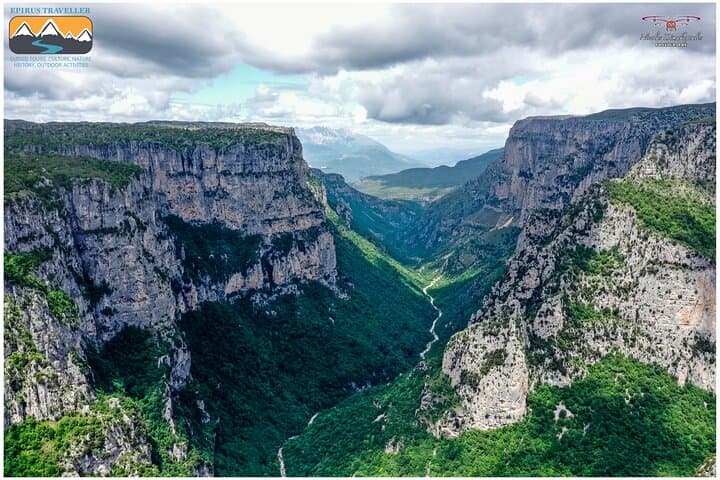
The morning opens on a ridge of folded limestone and the air smells of mint and river stones. Below, Vikos Gorge cleaves Epirus like a broad, attentive mouth—sheer walls plunging into the green seam where the Voidomatis River dares you to descend. Your boots find a narrow path, and for eight hours the world simplifies to one steady forward motion: rock underfoot, the constant, teasing sound of water far below, and scrub that blooms white and violet in the spring sun.
This is not a postcard view so much as a lived landscape. The crossing—commonly done on the Voidomatis Trail from Monodendri—threads village trails, shepherd routes and ancient mule tracks. It’s a day that feels like a handoff between geology and culture: layers of rock older than recorded history, villages perched where goats and people have found precarious advantage for centuries, and a river that keeps cutting the story shorter and deeper.
Geology writes itself loudly here. Vikos is a karst canyon carved into Tertiary limestone; cliffs reach depths of nearly a thousand meters in places and, according to measurements often cited in guidebooks, the gorge holds a place among the world’s deepest relative to its width. That sheer verticality creates a microclimate—an almost mushrooming biodiversity where rare herbs and orchids find niches in shaded clefts. In spring, the path is threaded with wildflowers and the air carries the pepper of thyme.
Beyond rocks and plants, the area is stitched to human history. Epirus sits at a crossroads: Greek, Illyrian and Ottoman influences all shaped the settlements you’ll pass. Monodendri, the usual gateway for the crossing, has stone houses and narrow alleys that feel like a living museum; monasteries cling to the high walls and local shepherds still mend fences with the same careful hands their families used for generations.
If you want to experience the route first-hand, a well-informed local guide makes a big difference. A guided crossing—like the one detailed on this local-expert page—combines route knowledge with cultural context; guides know safe water crossings, the best viewpoints, and the seasonal quirks of the trail (link: https://app.advcollective.com/local-experts/crossing-vikos-gorge-hike-the-voidomatis-trail-from-monodendri). They’ll also explain where to stop for the best picnic rock, and how to read the river’s moods.
Practicalities: the crossing is an eight-hour day by most measures. Trails vary from steady climbs to loose scree and sections that demand careful footing. Expect sustained descents and ascents rather than a single, dramatic summit push. Water is available near the river but carry a filter or at least ample water—sections through the gorge are exposed and deceptively draining. Footwear matters: grippy, mid-ankle hiking boots that support lateral movement will pay back every kilometer.
Timing is tactical. Spring (April–June) brings wildflowers and cool river flows; summer can get hot and dusty on exposed ridge sections, and late autumn sharpens the views as leaves thin out. In winter, snow and ice can make the route hazardous and local services limited. The recommended window balances weather with crowds—May is often the ideal month for bloom, comfortable temperatures and active local life in Monodendri.
For food and lodging, Monodendri and nearby villages keep tradition alive: guesthouses (many family-run) and tavernas serve trout from the Voidomatis, mountain cheeses and honey. A post-hike meal in a stone courtyard—warm bread, grilled fish, a glass of raki or tsipouro—is as much a part of the crossing ritual as the boots by the door.
Safety and sustainability are front of mind. Stay on marked paths: the flora is fragile and erosion risk is real. If you’re crossing independently, share your plan and carry a basic emergency kit. Respect private grazing lands and the rhythms of rural life—early morning shepherds and working animals are part of the landscape.
For photographers, the gorge is generous: light pools on the limestone mid-morning and late afternoon, while midday offers dramatic shadowed contrasts down in the canyon. Bring a wide-angle lens for the sweeping cliffs and a short telephoto to compress the river against the vertical walls.
A crossing of Vikos Gorge is not a conquest; it’s a conversation. You move through layers—geological, botanical, human—and the trail answers with the simple, persistent music of stone and water. Whether you go as part of an organized crossing or with a local guide from Monodendri, expect a day that is richly physical, quietly historic, and undeniably rewarding. For guided departures and local insights, see this detailed local-expert listing: https://app.advcollective.com/local-experts/crossing-vikos-gorge-hike-the-voidomatis-trail-from-monodendri
Trail wisdom
Small choices, better day.
Start Early
Begin in Monodendri before 8 a.m. to avoid afternoon heat and give yourself daylight for the descent and return transfer.
Filter Water
Carry a lightweight filter or purification tablets—Voidomatis water is clear but better filtered for peace of mind.
Footwear First
Wear grippy, ankle-supporting hiking boots; the route has loose scree and short scramble sections.
Hire a Local Guide
Guides alert you to cultural sites, safest river crossings and seasonal hazards; they also enrich the story of the gorge.
Local knowledge
Read the place, not just the route.
Watch for native species including Griffon vulture, Chamois and mountain goats.
Keep an eye out for wildlife during the transition between areas and habitats. Respect distance guidelines.
The gorge is part of a national park—stay on trails, pack out waste, and avoid collecting plants or disturbing nesting birds.
Follow the guide's instructions on size limits, ethical handling, and leave-no-trace practices.
Beloi viewpoint for panoramic canyon vistas just above Monodendri. A short detour to the stone bridge at Voidomatis for excellent river-level perspectives
Locally recommended viewpoints and quiet spots known best to local operators.
Vikos Gorge sits within the Vikos–Aoös National Park, a landscape historically used by shepherds and small rural communities; many trails follow ancient mule routes.
Maritime roots and regional tradition shape the waterways and working coasts.
Seasonal guide
Four versions of the same landscape.
Spring
Best forWildflowers · Moderate temperatures · Active river scenery
ChallengesPatchy mud · Variable weather showers
Spring is peak bloom and arguably the best time for the crossing—cool air, active streams and vibrant plant life.
Summer
Best forLong daylight · Warmer river swims · Clear trails
ChallengesHigh sun exposure · Hot midday temps
Summer offers long days and warm water but hike early to avoid the afternoon heat and ensure adequate water.
Fall
Best forClear vistas · Crisp air · Fewer crowds
ChallengesShorter daylight · Cooler mornings
Autumn sharpens views and reduces crowds; pack warm layers for chilly morning starts and evenings.
Winter
Best forSnow-clad scenery · Solitude
ChallengesIcy trails · Limited services
Winter is dramatic but risky—ice on steep sections and closed local services make winter crossings for experienced, well-equipped groups only.
Operator details
What the booking data adds.
Included
- ✓Walking or hiking poles (optional)
- ✓Certified and experienced guide
- ✓Transfer from Ioannina city (optional)
- ✓Bottled water
- ✓Video & Photos
- ✓All Fees and Taxes
Not included
- —Lunch
- —Private transportation
Good to know
- ✓Not recommended for travelers with spinal injuries
- ✓Not recommended for pregnant travelers
- ✓Not recommended for travelers with poor cardiovascular health
- ✓Travelers should have at least a moderate level of physical fitness
Pack with intention
What to bring.
Good to know
Common questions.
Typical guided crossings last about 6–8 hours on trail, with total door-to-door time depending on transfers and pace.
Plan the edges
The details that make the day easier.
Vikos Gorge is often cited in guidebooks and records as one of the world’s deepest gorges by relative depth, carved into limestone over millions of years and now part of Vikos–Aoös National Park.
After the hike, head to a Monodendri taverna for grilled Voidomatis trout, local thyme honey and a small glass of tsipouro—family-run guesthouses in the village offer warm hospitality and stories about the gorge’s past.
- Closest airport
- Ioannina (IOA); Trailhead: Monodendri village (drive ~1 hour from Ioannina); Cell service: intermittent in the gorge; Permits: none required, but guided services recommended; Driving distance from Ioannina: ~60 km.
This route lies within Vikos–Aoös National Park—pack out all trash, stay on marked trails to prevent erosion, and avoid disturbing riparian vegetation and nesting birds.
Explore by topic
Follow the threads.
Keep exploring
Make the story part of the trip.
Set out from Bass Harbor for a private, customizable day on Blue Hill Bay — lighthouses, puffins, seals, and the chance to feel Acadia from the water. Small groups, local captains, unforgettable views.
In four hours you can move from shaded canyon ferns to wind-scoured coastal ridgelines, guided by someone who knows where the light—and the hidden views—live. This private half-day hike on the Monterey Peninsula or Big Sur is compact, curated, and perfect for travelers who want depth without a multiday commitment.
 Related story
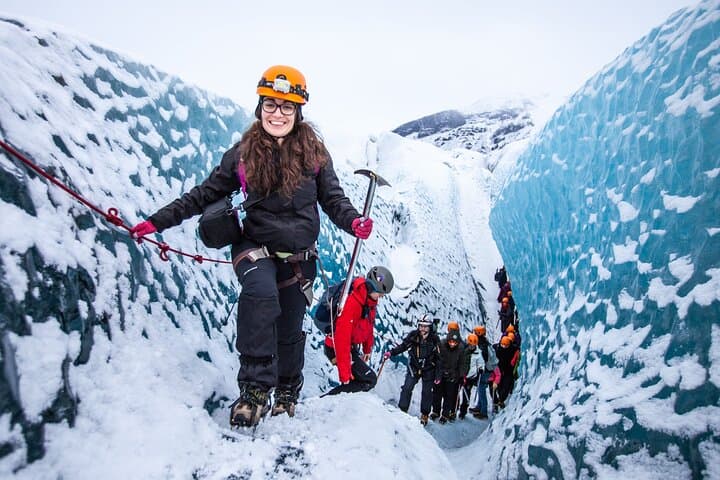
Beneath a sky of shifting light, Skaftafell’s ice reads like a map of time. This three-hour guided glacier hike mixes technical instruction with geology and culture: compact, safe, and unforgettable.