
What the day feels like
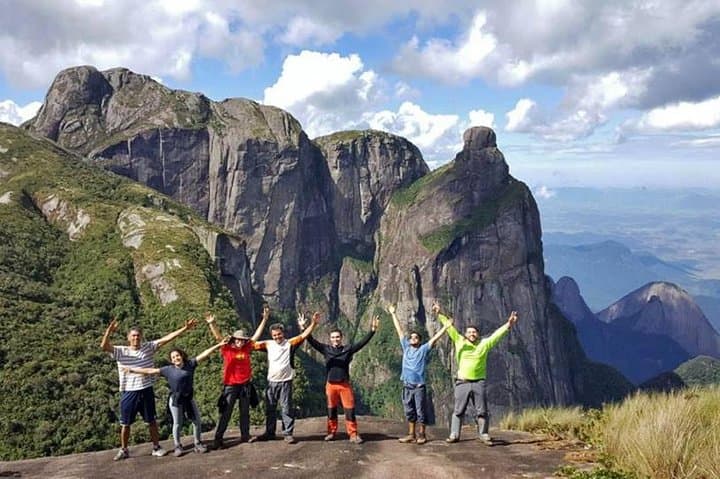
On the first morning the bus curls out of Rio de Janeiro before dawn, headlights catching the thick green of the Atlantic Forest. You pass sugarloaf silhouettes and suburbs that give way to hills, and by midmorning the road drops you at a narrow trailhead where a guide lays out a simple map on the hood of a truck. The air has a clean, resin-scented bite. Above, granite teeth—Dedo de Deus and its neighbors—project jagged profiles into the sky like the ribs of an ancient beast. This is the Serra dos Órgãos, and for the next 72 hours it will ask for your legs and repay you with scenes that make postcards look timid.
The <a href="https://app.advcollective.com/local-experts/petropolis-teresopolis-trekking-expedition-serra-dos-orgaos-crossing">Petrópolis Teresópolis Trekking Expedition</a> stitches together 32 kilometers of ridgelines, waterfalls, cloud-hugged forest and steep granite scrambles across Serra dos Órgãos National Park. It’s the classic crossing: three days, tent nights at designated campsites, meals in the field, and the small, steady pleasures of moving through an ecosystem that hums with life. Trails climb and drop in series—short but sharp ascents, slick roots underfoot, and rocky plates where hands accompany feet. The itinerary is purposeful: cover ground when the day is young, linger for light on a peak, then descend into camp before clouds thicken.
Geology here reads like a handbook of toughness. The Serra dos Órgãos is part of Brazil’s coastal mountain backbone, a line of granite and gneiss heaved high during ancient tectonic events. Those forces left knife-edge ridges and the spectacular spires that give this park its name. The Atlantic Forest—Mata Atlântica—wraps itself around the rock, an evergreen tangle of bromeliads, ferns, and orchids. The contrast is constant: polished stone that refuses to yield, softened by moss, vines, and waterfalls that seem to dare you to stop and listen.
There’s history in the valleys, too. Petrópolis, the imperial city, was Emperor Pedro II’s mountain retreat—refined, cool, and planted with German influences. Teresópolis grew as a health and leisure town for Cariocas seeking escape from the coast’s heat. The crossing itself has long been a rite of passage for Brazilian hikers: not a technical alpine climb but a test of endurance and attention, a place where a well-packed pack and a steady pace make the difference between a memory and a slog.
For travelers, the draw is practical and poetic at once. The views from high ridgelines are emphatic—clouds pile beneath you, the Atlantic Ocean is sometimes visible to the east, and the valley towns look small and civilized, like toys left on a map. Wildlife is abundant if quiet: hummingbirds flit through understory shafts of light, howler monkeys call from canopy ridges, and orchids make the trunks glow with color. The experience is social, too: small groups move together, sharing water and jokes, learning together how to read wet roots and how to set up a tarp under the trees.
If you’re planning this trek, consider the logistics before you lace up. The walking is not technical-alpine—no ropes or pitons required—but expect continual elevation change and sections where hands are needed for balance. A typical pace covers 8–12 kilometers per day, with a cumulative ascent in the realm of 2,000–2,500 meters across the whole expedition. Weather in the mountains can flip quickly: mornings are often clear and cool, afternoons bring convective clouds and occasional rain. The local guides included with the trip handle park permits, campsite placement and logistics, but your personal gear and conditioning matter: a fitted pack, supportive footwear, breathable layers and a lightweight rain shell should be non-negotiable.
Safety is straightforward: travel with a guide, respect the trail markers, and hydrate frequently. On the practical side, the expedition is efficient—transfers from Rio, meals, and camping equipment are typically included, which means you can focus on moving and looking. Photographers will find a steady parade of compositions: backlit ferns, granite silhouettes, and waterfall curtains in forest clearings. Early-morning light is the currency of the route; arrive at ridgelines before the clouds make decisions for you.
Beyond the trail, the cultural cap is immediate. Start or finish in Petrópolis to stroll a compact imperial center—museums, bakeries and German-style cervejarias that reward a tired hiker with cold beer and hearty stews. Teresópolis is quieter and has its own craft-beer scene and mountain-food traditions. Whether you treat your expedition as a sporting challenge or a moving meditation, the Serra dos Órgãos crossing is a disciplined, generous trip: it asks for attention and returns time and again with landscape that feels essential.
If you want the most from it, plan for dry-season windows (Rio’s winter months), move light but sensible, and respect the park’s fragile high-altitude forests—stay on trail, avoid picking plants, and pack out what you pack in. When you tell the story later, you’ll have a short list of images: granite spires, a green world clinging to steep slopes, the relief of campfire steam, and that first view when the valley opens and everything you’ve climbed is suddenly, heartbreakingly, below you.
Trail wisdom
Small choices, better day.
Start Early
Begin ridge hikes before mid-morning to avoid afternoon storms and catch the best light.
Grip and Traction
Use shoes with confident tread—roots and wet granite make for slippery sections.
Hydration Strategy
Carry 2–3 liters and a lightweight filter or purification tablets for refilling at trusted streams.
Respect Campsites
Camp only at designated sites, keep a small footprint, and carry out all waste.
Local knowledge
Read the place, not just the route.
Watch for native species including Howler monkey, Varied hummingbird species.
Keep an eye out for wildlife during the transition between areas and habitats. Respect distance guidelines.
Serra dos Órgãos is part of the Atlantic Forest biome—highly diverse and fragile; stay on trails, avoid disturbing vegetation, and pack out all waste.
Follow the guide's instructions on size limits, ethical handling, and leave-no-trace practices.
Early-morning sunrise at a lesser-known lookout near the Dedo de Deus silhouette. A small waterfall pool off the main trail perfect for a mid-day stop (seasonal)
Locally recommended viewpoints and quiet spots known best to local operators.
Petrópolis developed as an imperial retreat for Emperor Pedro II in the 19th century; the region’s towns retain European-influenced architecture and mountain-resort culture.
Maritime roots and regional tradition shape the waterways and working coasts.
Seasonal guide
Four versions of the same landscape.
Spring
Best forWildflowers and orchids · Milder temperatures
ChallengesUnpredictable rain · Trail slipperiness early in season
Spring brings fresh growth and floral displays, but expect variable weather and occasional muddy sections.
Summer
Best forLush green forest · Longer daylight hours
ChallengesHigh heat in low elevations · Frequent afternoon storms
Summer’s heavy rains can make granite plates slick; start early and plan for wet conditions.
Fall
Best forClearer skies · Cooler, drier days
ChallengesShorter daylight · Cool nights
Fall often provides stable weather and clear ridgeline views—ideal for photographers and steady hikers.
Winter
Best forDry trails and panoramic views · Cool trekking temperatures
ChallengesCold nights · Possibly stronger winds on exposed ridges
Brazilian winter (June–August) is the optimal window for dry, crisp conditions and the best long-range visibility.
Operator details
What the booking data adds.
Included
- ✓Guided crossing Petrópolis x Teresópolis in 03 days;
- ✓Safety equipment for technical paths (rope, baldriers, etc.
- ✓Specialists Guides in long-distance trekking;
- ✓Food advising (for snacks during the trekking) before leaving;
- ✓Satellite tracking of the expedition via SpotGen3;
- ✓Dinner
- ✓Breakfast
- ✓First-aid kit
- ✓Remote monitoring of the Expedition;
- ✓Coletive First Aid Kit
- ✓Porters of equipment of collective use (if needed)
Not included
- —Drinks
- —Gratuities
- —Personal use medice;
- —Any item not described as included.
- —Camping Equipment
Good to know
- ✓Public transportation options are available nearby
- ✓Not recommended for travelers with spinal injuries
- ✓Not recommended for pregnant travelers
- ✓Not recommended for travelers with poor cardiovascular health
- ✓Travelers should have a high level of physical fitness
- ✓Minimum age is 15 years;
- ✓Not recommended for participants with heart complaints or other serious medical conditions;
- ✓A high amount of walking (moutain trekking) is involved;
- ✓What you need to bring (Mandatory)
- ✓ID or Passaport
- ✓Trekking Backpack - (if you don't have, inform us)
- ✓Sleeping bag - (if you don't have, inform us)
- ✓Sleeping Pad - (if you don't have, inform us)
- ✓Walking stick (01 or 02) - (if you don't have, inform us)
- ✓Headlight and batteries - (if you don't have, inform us)
- ✓Bottle of water
- ✓Boot / Hiking shoes
- ✓Dry Fit / Polyamide shirts
- ✓Anorak /Fleece
- ✓Plastic bags (for trash)
- ✓Toilet paper
- ✓Cell phone
- ✓Sancks for the day
- ✓What to NOT bring on the Petrópolis Teresópolis Trekking
- ✓Suitcases or large luggage
- ✓Rolling or semi-rigid backpacks
- ✓Glass bottles or containers
- ✓Alcoholic beverages
- ✓Perishable or overly bulky food
- ✓Excessive cotton clothing
- ✓New or unworn shoes
- ✓Perfumes, sprays, and aerosols
- ✓Unnecessary electronics (laptop, tablet, heavy cameras)
- ✓Umbrella
- ✓Large inflatable mattresses
- ✓Fragile items (glass, ceramics, etc.)
Pack with intention
What to bring.
Good to know
Common questions.
The trek is challenging—expect steep, continuous ups and downs with some hands-on scrambling; good fitness and steady pace make it manageable.
Plan the edges
The details that make the day easier.
Serra dos Órgãos National Park was created in 1939 and is among Brazil’s earliest protected areas, safeguarding critical remnants of the Atlantic Forest.
After the trek, head into Petrópolis for German-influenced cuisine—kneipe-style restaurants and craft breweries serve stews and fresh bread that feel earned after three days on the trail; in Teresópolis try local trout dishes and small mountain breweries for a relaxed finish.
- Closest airports
- Rio de Janeiro (GIG or SDU); Typical pickup: Rio hotels; Driving: ~1.5–2 hours to trailhead depending on traffic; Cell service: spotty to none on ridges; Permits: park entrance and campsite registration usually handled by operator.
This crossing traverses Atlantic Forest remnants—minimize impact by staying on trail, packing out all trash, using reusable containers, and following guide instructions for campsite sanitation.
Explore by topic
Follow the threads.
Keep exploring
Make the story part of the trip.
 Related story
Less than two hours from Nairobi, Kereita Forest pairs hands-on canopy adventure with quiet montane trails and a sobering colonial history—perfect for families, teams, and curious travelers seeking a full-day pulse of nature.
Set out from Bass Harbor for a private, customizable day on Blue Hill Bay — lighthouses, puffins, seals, and the chance to feel Acadia from the water. Small groups, local captains, unforgettable views.
In four hours you can move from shaded canyon ferns to wind-scoured coastal ridgelines, guided by someone who knows where the light—and the hidden views—live. This private half-day hike on the Monterey Peninsula or Big Sur is compact, curated, and perfect for travelers who want depth without a multiday commitment.