
What the day feels like
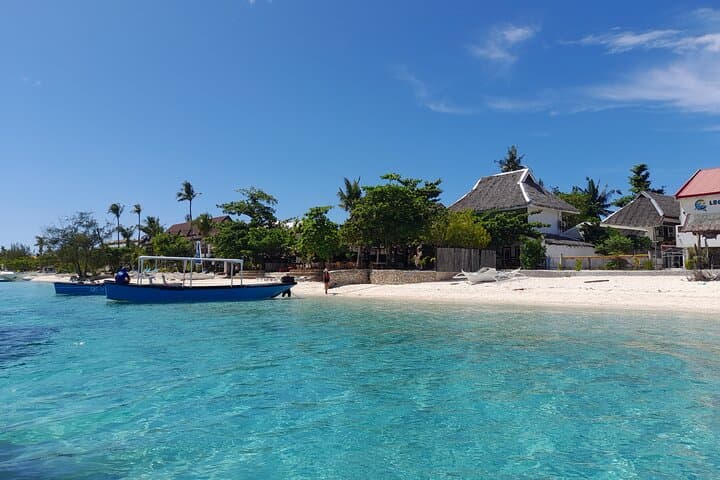
By midmorning the sea has its own agenda: a hard, horizontal light that flattens distance and a wind that seems to prod the boat forward like a guide with purpose. You pull your jacket tighter against salt, watch the bow cut two wakes and realize that an island day is less about arrival than about the water that dares you to keep looking. This is island hopping in the Central Visayas—equal parts slow exploration and short, decisive bursts of discovery between white-sand beaches, patchwork coral gardens and small fishing communities who measure life by tides and gumption.
The itinerary is simple: depart from Bantayan Island, cross the channel and land on Malapascua for snorkeling, lunch, and island time before returning. The whole trip runs about 6–8 hours and costs from USD 105, which covers a private boat, guide and lunch—often a spread of grilled seafood, rice and local vegetables. It’s the kind of day that fits neatly into a week on the Visayan circuit: not an expedition, but not a cruise either. Expect to move at the pace of the sea, with the occasional urgency of a good snorkeling spot or a hidden beach that looks like it was left off the map on purpose.
Geology and culture make the islands distinct. Bantayan’s sand is fine, white and forgiving; its shoreline is backed by low scrub and fishing villages where wooden boats are repaired under tarps and nets dry like patchwork quilts. Malapascua, a few nautical miles northeast, is rockier, its coral reef systems protected in pockets around the island and beyond at Monad Shoal, a submerged plateau famous among divers for regular sightings of thresher sharks at dawn. Centuries of trade—Malay, Chinese and later Spanish—have left small imprints here: chapel bells, Catholic festivals, and a cuisine focused on seafood and coconut that’s as direct and honest as the people who prepare it.
In practical terms the day is built for flexibility. Boats leave on private schedules; the crossing can take anywhere from 45 minutes to a couple of hours depending on the route and conditions. You’ll stop to snorkel over shallow coral gardens—shallow enough that sunlight picks out parrotfish and reef wrasse like candy colors—then land for a leisurely lunch. Guides often time the route to avoid the busiest dive boats at Monad Shoal while still offering a chance to snorkel in clear water. If you want a dive with thresher sharks, that’s a separate early-morning dive on Malapascua itself; the island-hopping day gives you a taste of the marine life without the commitment of multiple dive tanks.
Timing matters. The best days to go are during the dry months, when swell is smaller and visibility underwater improves. Bring reef-safe sunscreen—coral reefs in this region are resilient but stressed—and minimize plastic. Photography gear should be ready for fast moving light and quick stops: an all-purpose wide lens, rapid shutter settings for splashing water, and a waterproof case or housing if you want shots from the surface.
On the social side, the trip is quietly resilient: family-run boats and small operators mean your experience is a direct economic boost to the islands. Lunch is often a highlight—grilled fish or squid, a coconut-infused dish, rice—and the unfussy hospitality is the point. Bring cash: many of the small cafés and stall owners don’t take cards.
Safety is straightforward but not trivial. Life jackets are standard but check their condition; seasickness can sneak up on even experienced travelers when crossing exposed stretches. Cell service is intermittent between islands; let your lodge know your plans. If you have specific snorkel or dive ambitions—Monad Shoal, wreck dives off Malapascua—book those in advance and be clear about skill level. For a relaxed island-hopping day, the physical demand is modest: you’ll climb on and off a small boat, walk uneven sand, and float for short snorkeling legs.
Why do this trip? Because it strings together several compact versions of what makes the Philippines magnetic: intense marine biodiversity, approachable islands that still feel discoverable, and a people-first pace that values time as a shared resource. It’s a day that’s equal parts salt and stories—quick enough to fit into a broader trip, intimate enough to make you care about the reefs, and practical enough to do without overplanning.
If you go: leave early or midmorning to catch calmer water, bring reef-friendly sunscreen, and save room for lunch. Watch for the slow, authoritative movements of the sea and let the islands set the tempo. You’ll come back with wet hair, photos, and a sense that a handful of hours on a boat can still rearrange a traveler's expectations of space and quiet.
Trail wisdom
Small choices, better day.
Book Morning Windows
Depart early to avoid afternoon winds and to enjoy calmer seas and better underwater visibility for snorkeling.
Use Reef-Safe Sunscreen
Choose mineral-based sunscreen to protect coral reefs and reduce skin irritation after sun exposure and saltwater.
Bring Cash for Local Stalls
Many island eateries accept only cash—small bills are useful for tipping guides and buying snacks.
Check Life Jacket Condition
Confirm that the boat has well-maintained life jackets and safety gear before departure.
Local knowledge
Read the place, not just the route.
Watch for native species including Thresher shark (seen on dedicated dives at Monad Shoal), Parrotfish.
Keep an eye out for wildlife during the transition between areas and habitats. Respect distance guidelines.
Local communities are increasingly involved in reef protection and responsible tourism; choose operators who support reef-safe practices and local livelihoods.
Follow the guide's instructions on size limits, ethical handling, and leave-no-trace practices.
Ba-ong Beach (Bantayan) for quieter shoreline time. Logon Wharf morning market (Malapascua) with fresh-caught seafood and local snacks
Locally recommended viewpoints and quiet spots known best to local operators.
These islands were traditional stopovers on Visayan trade routes; Spanish missionary influence is visible in small chapels and local festival calendars.
Maritime roots and regional tradition shape the waterways and working coasts.
Seasonal guide
Four versions of the same landscape.
Spring
Best forCalmer seas · Good snorkeling visibility
ChallengesOccasional Easter holiday crowds · Variable winds in late spring
Spring (March–May) is warm and generally dry—great for clear water and comfortable boat days, though some holiday traffic can make shores busier.
Summer
Best forLong daylight hours · Warm water temperatures
ChallengesHigher humidity · Peak tourist periods
Summer sees the warmest water and long days ideal for snorkeling, but expect more visitors and limited availability on private boats.
Fall
Best forFewer crowds · Post-monsoon clarity
ChallengesOccasional rain squalls · Shorter daylight
Fall often brings quieter beaches and good visibility between showers—plan flexibly for weather windows.
Winter
Best forOff-peak solitude · Cooler breezes
ChallengesHigher swell some years · Possible rough crossings
The cooler months (Nov–Feb) can be pleasant, but check sea conditions during the northeast monsoon; operators may adjust routes.
Operator details
What the booking data adds.
Included
- ✓Lunch is only included if you book the options including meals. In case you booked the lunch as inclusions please let us know what you prefer (meat, seafood, veggies).
- ✓Local guide
- ✓Bottled water
- ✓All taxes, fees and handling charges
- ✓Use of Snorkelling equipment
- ✓Fuel surcharge
- ✓Boat / Boatmen
- ✓Environmental Management Charge (Reef Tax)
Good to know
- ✓Not recommended for travelers with spinal injuries
- ✓Not recommended for travelers with poor cardiovascular health
- ✓Not recommended for pregnant travelers
- ✓Public transportation options are available nearby
- ✓Infants are required to sit on an adult’s lap
- ✓Suitable for all physical fitness levels
- ✓Minimum drinking age is 18 years
- ✓Children must be accompanied by an adult
Pack with intention
What to bring.
Good to know
Common questions.
Crossing time varies by route and sea state but typically ranges from 45 minutes to two hours; the full tour runs about 6–8 hours.
Plan the edges
The details that make the day easier.
Malapascua island is one of the few locations in the world where thresher sharks can be reliably seen on regular morning dives at Monad Shoal.
After snorkeling, look for a beachfront carinderia (eatery) serving grilled fish, kinilaw (raw fish in vinegar and coconut), and fresh coconut juice; finish with a cold San Miguel at a local bar while fishermen mend nets nearby.
- Closest airport
- Mactan-Cebu International Airport (CEB). Typical land transfer: 3–4 hours drive to Bantayan ferry points from Cebu City; boat departs from Santa Fe pier on Bantayan Island; cell service is patchy between islands; no permits required for day trips but some sites may charge small marine reserve fees.
Coral reefs here are sensitive—use reef-safe sunscreen, avoid touching coral, and support operators who follow no-anchoring rules and contribute to local reef stewardship.
Explore by topic
Follow the threads.
Keep exploring
Make the story part of the trip.
Set out from Bass Harbor for a private, customizable day on Blue Hill Bay — lighthouses, puffins, seals, and the chance to feel Acadia from the water. Small groups, local captains, unforgettable views.
In four hours you can move from shaded canyon ferns to wind-scoured coastal ridgelines, guided by someone who knows where the light—and the hidden views—live. This private half-day hike on the Monterey Peninsula or Big Sur is compact, curated, and perfect for travelers who want depth without a multiday commitment.
 Related story
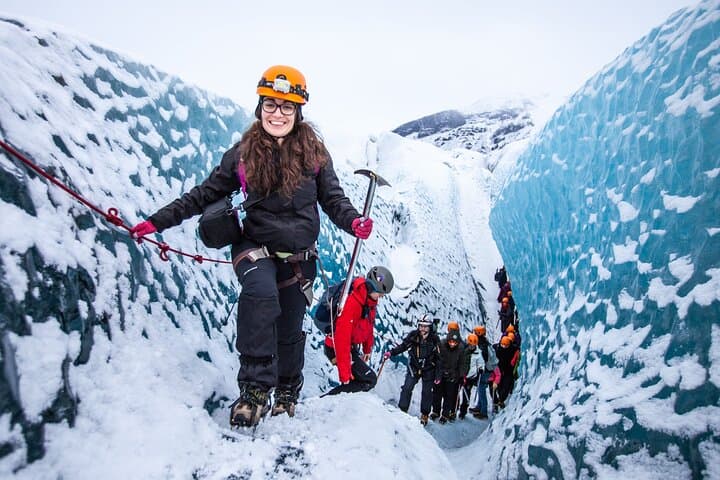
Beneath a sky of shifting light, Skaftafell’s ice reads like a map of time. This three-hour guided glacier hike mixes technical instruction with geology and culture: compact, safe, and unforgettable.