
What the day feels like
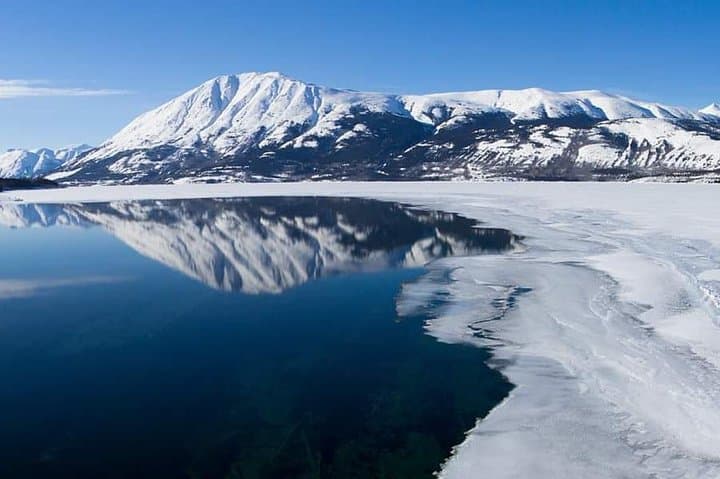
The gravel shoulder of the Klondike Highway yawns open and the air smells like spruce and damp earth — cold, clear, and unconcerned. You step off the van and the landscape greets you in stages: a ribbon of highway, a stand of black spruce, then sudden water — a lake that holds the sky in a hard, bright mirror. Wind threads across the surface and the trees tilt like listeners. On a good day, the light here can look like it was poured from a tin and set to cool. It is easy, in those first minutes, to feel the scale of something older than the road: a geography that has been walked for millennia.
The Caribou Crossing Adventure Tour distills that feeling into four hours of reduced speed and heightened attention. It’s not a summit chase or a white-knuckle raft; it is a purposeful movement through place: short walks, cultural glimpses, shoreline viewpoints, and a slow, intentional listen to the land and the people who have called it home. Carcross/Tagish First Nation territory sits here — a living culture that is part of the story of the Bering land bridge, the route of migration at least 10,000 years old that connected continents and futures.
Geology and geography are the quiet heroes. The lakes are kettle remnants, carved by retreating ice and held in the ribs of the landscape. Thirty minutes into the tour, you might stand on a ridge above a lake and watch wind arrange feathered ripples, or peer into a marsh and see cloud-sky and cattails. The so-called Carcross Desert — a patch of northern sand dunes carved by glacial meltwater and wind — is small but remarkable, a counterpoint to the spruce and rock and a reminder that ecosystems can surprise you at this latitude.
This is also a cultural route. The Carcross/Tagish First Nation maintain a living connection to the land through place names, stories, and stewardship. Guides on the tour will often share oral histories, explain the significance of lakes and passes, and describe how traditional knowledge shapes seasonal movement and hunting patterns. The narrative you hear is not museum glass: it is contemporaneous, full of voices who still paddle, fish, and gather across these valleys.
In practical terms, the tour is four hours long and geared toward travelers who want context as much as scenery. Expect easy walking, boardwalks at wet spots, and brief, manageable climbs for viewpoints — nothing technical, but enough to reward a steady pair of legs. Trails and stops are chosen to provide a cross-section of interior Yukon: forest, water, sand, and First Nation storytelling. Guides lean on local knowledge; they will point out songlines and seasonal behaviors in wildlife, and they will explain how modern life and tradition coexist here.
Why go? If you’ve driven the Alaska or Klondike highways you’ve seen the postcard vistas; a tour like this reframes those vistas with human history and small-scale geography. It’s a half-day investment that deepens a Yukon itinerary: you’ll leave with more than photos — you’ll have story hooks and a firmer sense of how land, climate, and culture meet in the north.
Timing matters. Summer brings long light and abundant access; spring and fall offer sharper colors and migratory passages; winter is a different conversation entirely and this particular tour is timed for the warmer months. Wear layers — mornings can be alpine-cold, midday can swing toward warmth, and the wind on open lakes can be a persistent guest. Footwear should be light-hiking with good grip; many of the surfaces are natural and can be damp or sandy.
Hydration and snacks are simple logistics but important: a 1–2 liter water capacity and a handful of high-energy snacks will keep your head clear for the stories. The tour is accessible for most travelers of reasonable mobility, but if you have limited mobility check with the operator about specific stops and vehicle access. Cell service is intermittent; bring maps or download directions and enjoy the relief of being slightly off-grid.
Practical takeaways: plan for 3–4 hours, bring layered clothing and a rain shell, have sturdy shoes, and show up curious. If you want a deeper experience, ask about follow-on visits with community-based cultural experiences that expand beyond the four-hour tour into multi-day learning or artisan visits. The Caribou Crossing Adventure Tour is a bridge — between highway and history, between fast travel and slow observation — and the best parts are the conversations and the small discoveries: a lake that looks like glass, a patch of sand that feels improbably warm underfoot, a story told in the voice of someone who grew up here.
Whether you are a traveler chasing northern light or someone who wants to center their trip on local stories, this tour is a compact, thoughtfully paced way to experience the southern Yukon’s cultural geography. The land here has patience; it will not beg for your attention, but it rewards the kind of slow curiosity that makes travel feel like learning rather than consumption. Bring good boots, bring questions, and leave room for the landscape to answer.
Trail wisdom
Small choices, better day.
Layer for quick temperature swings
Mornings can be chilly and afternoons sunny; bring a light insulating layer and a waterproof shell.
Wear grippy footwear
Expect boardwalks, sand, and wet trails—trail shoes with good traction prevent slips.
Bring water and snacks
Carry 1–2 liters of water and energy snacks for the four-hour duration.
Respect cultural protocols
Follow guide instructions at cultural sites and ask before photographing people or ceremony.
Local knowledge
Read the place, not just the route.
Watch for native species including Moose, Migratory waterfowl (ducks, swans).
Keep an eye out for wildlife during the transition between areas and habitats. Respect distance guidelines.
Support local stewardship by staying on marked trails, packing out trash, and honoring cultural site requests; local groups work to protect lake shorelines and sensitive dune habitats.
Follow the guide's instructions on size limits, ethical handling, and leave-no-trace practices.
Walk the dunes of Carcross Desert for unexpected sand and views. Stop at a lakeside viewpoint off the main stops to catch late-afternoon light and quiet
Locally recommended viewpoints and quiet spots known best to local operators.
Carcross sits on ancestral travel routes tied to the Bering land bridge; the Carcross/Tagish First Nation have maintained place-based stories and stewardship for thousands of years.
Maritime roots and regional tradition shape the waterways and working coasts.
Seasonal guide
Four versions of the same landscape.
Spring
Best forMigrant birds · Wildflower emergence · Fewer crowds
ChallengesMud and wet trails · Variable temperatures
Spring brings thaw and migratory activity; trails can be wet but the landscape wakes up with birds and early blooms.
Summer
Best forLong daylight · Full access to sites · Warmest weather
ChallengesBugs in lowland areas · Higher visitation
Summer is peak season for access and light; late evenings are ideal for golden-hour photo stops.
Fall
Best forChanging foliage · Calmer light · Moose movement
ChallengesCooling temperatures · Shortening days
Fall colors and animal movement make for dramatic scenery, though temperatures drop and daylight shortens.
Winter
Best forSnow-covered vistas (not this tour) · Aurora viewing in the region
ChallengesMany services closed · Touring routes limited
Winter transforms the region; this particular half-day tour is generally offered in warmer months, so check availability.
Operator details
What the booking data adds.
Included
- ✓Private transportation
Not included
- —Snacks
Good to know
- ✓Not recommended for pregnant travelers
- ✓Not recommended for travelers with poor cardiovascular health
- ✓Suitable for all physical fitness levels
Pack with intention
What to bring.
Good to know
Common questions.
The Caribou Crossing Adventure Tour is approximately four hours long.
Plan the edges
The details that make the day easier.
The Carcross Desert is often called the world’s smallest 'desert' — a string of northern sand dunes formed by glacial meltwater and wind after the last Ice Age.
After the tour, head to local cafés and the Caribou Crossing Trading Post for bannock or smoked fish; seasonal artisan markets often feature traditional beadwork and storytelling sessions hosted by Carcross/Tagish community members.
- Closest airport
- Erik Nielsen Whitehorse International Airport (YXY)
- Driving from Whitehorse
- ~74 km (46 mi), about 50–70 minutes
- Cell service
- intermittent outside Whitehorse; expect patchy coverage
- Permits
- none required for general visitation but follow cultural site guidance
This area is stewarded by local First Nation communities—pack out all trash, avoid disturbing shoreline habitats, and support Indigenous-led businesses when possible.
Explore by topic
Follow the threads.
Keep exploring
Make the story part of the trip.
Set out from Bass Harbor for a private, customizable day on Blue Hill Bay — lighthouses, puffins, seals, and the chance to feel Acadia from the water. Small groups, local captains, unforgettable views.
In four hours you can move from shaded canyon ferns to wind-scoured coastal ridgelines, guided by someone who knows where the light—and the hidden views—live. This private half-day hike on the Monterey Peninsula or Big Sur is compact, curated, and perfect for travelers who want depth without a multiday commitment.
 Related story
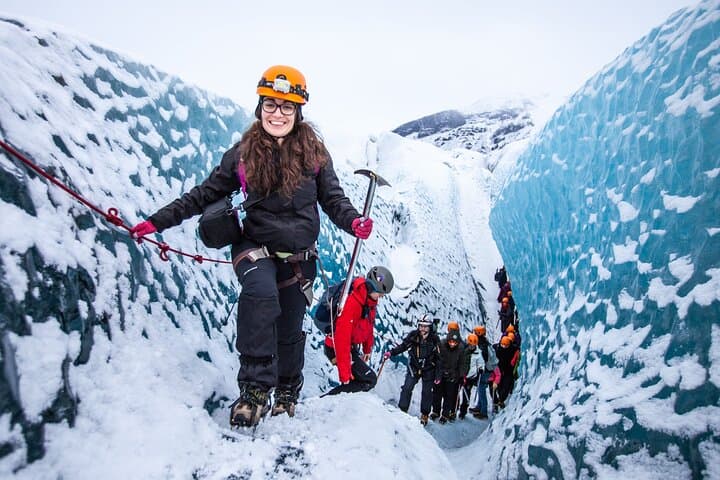
Beneath a sky of shifting light, Skaftafell’s ice reads like a map of time. This three-hour guided glacier hike mixes technical instruction with geology and culture: compact, safe, and unforgettable.