
What the day feels like
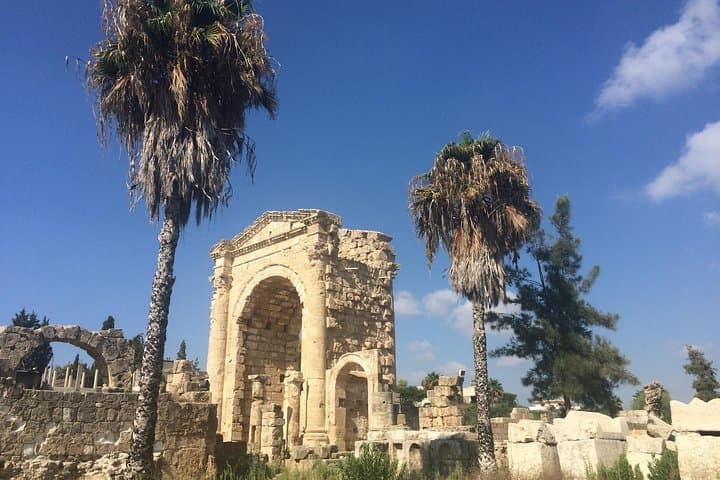
By midmorning the highway unfurls like a ribbon of light along the Mediterranean and the city's clamor loosens into a steady hum. Salt air arrives first, carrying a resinous tang of pine and the sweeter ghost of orange blossoms from roadside groves. On a nine-hour day trip from Beirut you trade traffic for tiled alleys and sea-sprayed ruins: Sidon, Maghdoucheh and Tyre stitched into one coastal story of Phoenicians, Crusaders and Roman engineers. It is, in short, a day of architecture that remembers many empires and a coastline that refuses to be quiet. The tour advertised as a small-group adventure is compact and pragmatic; the payoff is a sense of digging into layered histories without the machine-pace of a large coach tour. You will walk—cobbles, stairs, flattened sand—and you will stand on stones that have been ships' anchors, market stalls and prayer platforms at different centuries. That variety both excites and instructs. Sidon arrives first, an old city whose sea castle perches like a chess piece on an islet. Built by Crusaders in the 13th century and later repaired and repurposed, the castle is a blunt reminder that the Mediterranean was a battlefield of trade as much as war. Nearby, Sidon's old souk is a tangle of shadowed alleys where spice stalls, seamsters and silver shops share a rhythm with the cadence of vendors calling out in Arabic. The Soap Museum is a small, tactile stop: Sidon has a centuries-old olive-oil soap tradition and its curved blocks smell faintly of laurel and citrus, an aromatic breadcrumb back to the Phoenician era when craft and commerce shaped the Mediterranean economy. From Sidon the road continues south. Maghdoucheh sits up on a hill with a modern Marian shrine known as Our Lady of Awaiting, a place where local pilgrims climb steps to watch the sun set over the sea. The chapel is less about theatrical grandeur and more about quiet human rituals: candles, notes, and the simple geometry of a community looking seaward. It is an intimate cultural pause between two larger archaeological tableaux. Tyre is the finale and it delivers in scale. Once a mighty Phoenician city and later a Roman provincial capital, Tyre's ruins include a monumental Roman hippodrome and an archaeological park that spills toward the water. The city is also a lesson in coastal geology: longshore currents and ancient engineering combined to leave bronze-age quays half-buried, mounds of dressed stone that hint at port functions and a shoreline that keeps remaking itself. Practically, the day is active but not mountaineering. Expect several short walking segments—souks and amphitheaters, steep steps at Maghdoucheh and the broad, archaeological pads at Tyre where soft sand and stone invite barefoot exploration near the water. Bring shoes that handle uneven surfaces and humidity. Timing matters: start early from Beirut to beat the midday heat in summer and to give yourself running room for the museum stops and a lunch that should be slow. Food is part of the argument for the trip. Tyre has a deceptively calm corniche where fish restaurants serve chargrilled sea bream and small plates of pickled vegetables, a perfect capstone after a day of standing in ancient shadows. The logistics of this ticket are thoughtful: it is an instant-confirmation small-group tour, lasts roughly nine hours and is often customizable on request. Price starts from US$65, making it an accessible full-day option if you want curated access without a big group's pace. Local guides are the secret passage between stone and story. Ask about the soap-making process, the Crusader repair campaigns and the Phoenician maritime economy; a good guide will map names to stones and make the archaeology legible. Respect the sites. These ruins are fragile. Climb where steps exist; avoid touching carved surfaces and never remove fragments even if they look like loose stones. For photographers the day is generous: coastal light at midmorning and late afternoon offers different temperaments, and the best portraits are made with souk alleys as context rather than isolated faces. Before you go, pack a small daypack with water, a sun layer, comfortable shoes and a copy of your passport if you plan to buy museum tickets. Expect cell coverage for most of the drive and be prepared for the kind of traffic unpredictability that makes flexible itineraries a relief. In short, this is a day to measure history in steps, to taste coastal food that remembers the sea, and to let a small-group rhythm do what big buses cannot: give you enough time to listen.
Trail wisdom
Small choices, better day.
Start Early
Depart Beirut soon after 8 AM to avoid midday heat and give yourself time to explore each site without rushing.
Wear Sturdy Footwear
Cobblestones, archaeological slabs and occasional sand require shoes with good tread and ankle support.
Bring Cash
Small shops, museum entries and local vendors often prefer Lebanese pounds or cash over cards.
Hydrate & Shade
Carry at least 1–1.5 liters of water and a hat; coastal sun can be strong and guides may pause in exposed areas.
Local knowledge
Read the place, not just the route.
Watch for native species including Migratory shorebirds along the coast, Common Mediterranean gulls near the harbor.
Keep an eye out for wildlife during the transition between areas and habitats. Respect distance guidelines.
Coastal development and tourism pressure affect archaeological contexts; stick to trails, support local conservation initiatives and avoid disturbing shoreline habitats.
Follow the guide's instructions on size limits, ethical handling, and leave-no-trace practices.
Khan al-Franj and small artisans in Sidon's souk. Al-Bass Archaeological Site in Tyre for quieter views of Roman ruins
Locally recommended viewpoints and quiet spots known best to local operators.
Sidon and Tyre were major Phoenician city-states; Tyre later became a Roman provincial hub known for its monumental harbor and hippodrome.
Maritime roots and regional tradition shape the waterways and working coasts.
Seasonal guide
Four versions of the same landscape.
Spring
Best forWildflower-sprinkled coastlines · Comfortable walking temperatures
ChallengesOccasional spring showers · Variable wind
Spring is the most pleasant time to tour the coast with mild temperatures and clear light for photos.
Summer
Best forLong daylight hours · Sea breezes for lunch on the corniche
ChallengesHigh heat and humidity · Crowded beaches and later-day traffic
Summer offers vibrant seaside dining but plan early starts and sunscreen to manage heat.
Fall
Best forGolden light across ruins · Quieter streets after peak tourist months
ChallengesShorter days · Unpredictable rainfall
Autumn balances comfortable days with fewer crowds—ideal for lingering at archaeological sites.
Winter
Best forFewer tourists and reflective skies · Cooler walking conditions
ChallengesRain and occasional storms · Some sites may feel damp
Winters are cooler and quieter; bring a waterproof layer for coastal showers.
Operator details
What the booking data adds.
Included
- ✓Brief Explanation about each Site.
- ✓Bottled water
- ✓Experienced English Speaker Local Group Leader
- ✓Air-conditioned vehicle
- ✓Hotel Pick-Up & Drop-Off
Not included
- —Lunch
- —Gratuities
Good to know
- ✓Infants and small children can ride in a pram or stroller
- ✓Specialized infant seats are available
- ✓Suitable for all physical fitness levels
Pack with intention
What to bring.
Good to know
Common questions.
The tour is approximately nine hours and typically includes transport, a local guide, and stops at Sidon, Maghdoucheh and Tyre; confirm specifics like entrance fees and meals with the operator.
Plan the edges
The details that make the day easier.
Tyre's archaeological site is a UNESCO World Heritage Site noted for its Roman remains and its role as an ancient Phoenician maritime capital.
After the ruins, head to Tyre's corniche for grilled fish and pickled vegetables, or sip Turkish coffee in Sidon's old souk while browsing local soapmakers; vendors are happy to explain their craft.
- Closest airport
- Beirut Rafic Hariri International Airport (BEY); Driving distance: Beirut to Sidon ~45 minutes (40–45 km), Sidon to Tyre ~1 hour; Cell service: generally good along the coast; Permits: no special permits required but some sites have entrance fees; Booking note: small-group, instant-confirmation and often customizable
These archaeological sites are sensitive—stay on marked paths, avoid removing artifacts, choose local guides and businesses to support community-led conservation.
Explore by topic
Follow the threads.
Keep exploring
Make the story part of the trip.
Set out from Bass Harbor for a private, customizable day on Blue Hill Bay — lighthouses, puffins, seals, and the chance to feel Acadia from the water. Small groups, local captains, unforgettable views.
In four hours you can move from shaded canyon ferns to wind-scoured coastal ridgelines, guided by someone who knows where the light—and the hidden views—live. This private half-day hike on the Monterey Peninsula or Big Sur is compact, curated, and perfect for travelers who want depth without a multiday commitment.
 Related story
Beneath a sky of shifting light, Skaftafell’s ice reads like a map of time. This three-hour guided glacier hike mixes technical instruction with geology and culture: compact, safe, and unforgettable.