
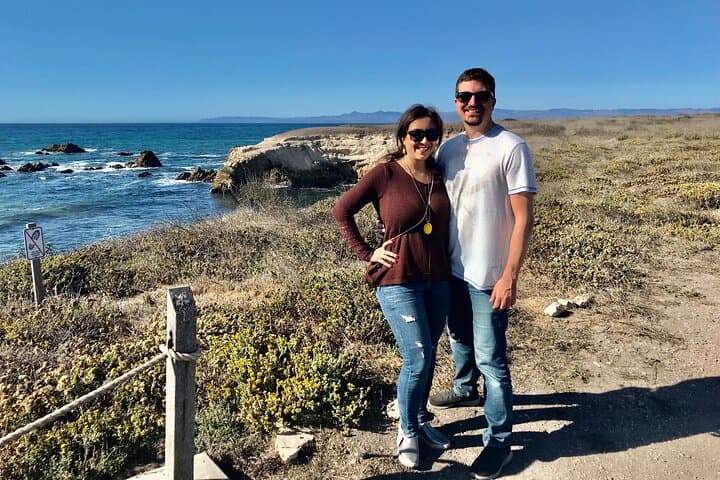
What the day feels like
By midmorning the highway loosens its grip on you and the ocean starts to speak. Wind puffs like an impatient narrator, gulls wheel above and a single highway—thin, sun-warmed, lined with cypress and scrub—unspools toward cliff edges where surf keeps score against stone. On a private tour of California's Central Coast, that conversation becomes your itinerary: the hush of elephant seals hauled out on the sand, the low clink of tasting-room glasses in Paso Robles, the cinematic sweep of Hearst Castle balconies. For travelers who dislike the anonymous rush of coach tours, a private guide collapses distance and time into a single, immersive day. Want to watch marine life at Morro Bay and end in a vineyard that seems to have been painted by sunlight? You can. Prefer history and art in Cambria before a slow seafood dinner? That’s possible too. Book a tailored route through this collection of coastal personalities at https://app.advcollective.com/local-experts/private-central-coast-california-tour-san-luis-obispo-paso-robles-cambria and let a local expert stitch it together around your interests.
The geology here is blunt and honest: Monterey shale, uplifted terraces, and volcanic plugs—Morro Rock standing like a sentinel at the harbor entrance—give the coast its bones. In places the land tilts, creating pocket beaches and natural amphitheaters where wave energy sculpts sandbars and kelp forests. This stretch of coast also tells a layered human story: Chumash and Salinan peoples harvested shellfish here for millennia; Spanish missions and later gold- and oil-driven economies reshaped the landscape; and cattle barons and media magnates left architectural footprints that tease you into the region's past. Hearst Castle, with its imported marbles and tile mosaics, is less a private palace than a chapter in an evolving coastal narrative—one a good guide will place in its ecological and cultural context.
Wildlife is never a footnote. Elephant seals haul out at Piedras Blancas near San Simeon, and their hierarchy is theatrical: bulls bellow and posture while smaller males and females shuffle toward the tide. In Morro Bay the estuary acts like a magnet—sea otters, harbor seals, and migratory shorebirds show up in numbers that reward a patient pair of bins. Guides know the rhythms—when the seals are molting, where the otters shove their dinner into rock bowls, and which rocky tidepools are safe to observe without causing harm.
Why take this route privately? Flexibility is the immediate answer. You call the shots: linger over a wine pairing in Paso Robles, skip the packed castle tour for a quieter bluff walk, or carve out time for a photo stop at Piedras Blancas as the light slants golden. Practical advantages follow: pick-up and drop-off from San Luis Obispo, a guide who handles parking and logistics, and a curated mix of natural and culinary stops. Private tours advertised here start around $439 for a roughly five-hour itinerary and can be extended or adjusted to match the group’s pace—book via your local expert at https://app.advcollective.com/local-experts/private-central-coast-california-tour-san-luis-obispo-paso-robles-cambria.
Planning pointers make the day smoother. Start early to outrun the strongest winds and to enjoy quieter tasting rooms; aim for late spring or fall if you want gentle weather and thinner crowds. Dress in layers—coastal fog can feel cool even when inland temperatures are warm. Bring a refillable water bottle and sunscreen; coastal sun with reflective surf can burn fast. Footwear should be comfortable for short walks on uneven surfaces: think sturdy sneakers or light hiking shoes rather than dress shoes.
Logistics are simple but important: Hearst Castle demands timed tickets if you plan to tour the interior, and popular wineries in Paso Robles often require reservations, especially on weekends. Cell service is reliable in towns but patchy on some headlands; your guide will have both local knowledge and backup maps. Expect a day that blends 10–30 minute coastal strolls with longer 30–60 minute stops at cultural or culinary sites—the rhythm of the route mimics the coastline itself, alternating brief exposures with wide-open rests.
For photographers, golden hour on the bluffs and the soft, diffused light of morning fog are gifts. Keep a telephoto lens for wildlife and a wide angle for cliffs and vineyards; a small tripod helps stabilize long-exposure surf shots. Above all, let the guide set the tempo—sometimes the best images arrive when you step away from the crowd and wait.
This is not an adrenaline itinerary. It’s a curated conversation between land, sea and local culture: a place to smell tide-worn kelp, to taste small-production wines, and to learn how the coast’s history has shaped present-day communities. For families, photographers, couples, or curious solo travelers, a private Central Coast day is an efficient way to connect disparate but complementary experiences—marine life, architecture, agriculture—without the friction of planning. If you want more than just a checklist of stops, if you want a guide to narrate the why behind the what, then book a private guide who can turn a scenic drive into a meaningful, sensory-rich day along California’s Central Coast: https://app.advcollective.com/local-experts/private-central-coast-california-tour-san-luis-obispo-paso-robles-cambria.
Trail wisdom
Small choices, better day.
Layer for Coastal Weather
Bring a windproof mid-layer and light rain shell—temperatures swing quickly between the coast and inland valleys.
Book Hearst Castle Early
If your itinerary includes Hearst Castle, reserve timed tickets in advance; limited interior tours sell out in high season.
Respect Marine Life
At elephant seal rookeries keep distance, stay on marked viewing areas, and follow your guide’s instructions to avoid disturbance.
Pack Water and Snacks
Even on a five-hour tour, carry a refillable bottle and light snacks—some tasting rooms limit food options.
Local knowledge
Read the place, not just the route.
Watch for native species including Northern elephant seals, Sea otters.
Keep an eye out for wildlife during the transition between areas and habitats. Respect distance guidelines.
Many coastal habitats here are protected by state parks and marine reserves—stay on designated paths, avoid disturbing wildlife, and pack out all trash to reduce human impact.
Follow the guide's instructions on size limits, ethical handling, and leave-no-trace practices.
Montaña de Oro State Park tidepool coves for quieter coastal walks. Small family-owned tasting rooms off the Paso Robles main drag with minimal crowds
Locally recommended viewpoints and quiet spots known best to local operators.
The Central Coast has deep Indigenous history (Chumash and Salinan peoples) and later became a strategic corridor for Spanish missions and California ranching economies.
Maritime roots and regional tradition shape the waterways and working coasts.
Seasonal guide
Four versions of the same landscape.
Spring
Best forWildflower displays · Milder temperatures · Whale-watching season
ChallengesUnpredictable fog · Windy afternoons
Spring brings wildflowers in inland hills and migrating whales offshore; mornings can be cool and foggy but generally pleasant for touring.
Summer
Best forWarm inland days · Long daylight hours · Peak winery hours
ChallengesDense coastal fog (June gloom) · Higher crowds
Summer offers warm inland temperatures and long days—expect marine layers near the shore and busier attractions.
Fall
Best forWine harvest events · Clear skies · Fewer crowds
ChallengesVariable winery hours during harvest · Occasional smoky conditions
Fall is ideal for wine-focused travelers: clear light, cooler coastal air, and active harvest scenes in Paso Robles.
Winter
Best forStorm-watching · Lower prices · Quiet tasting rooms
ChallengesOccasional heavy rain · Rougher seas limiting viewing
Winter brings dramatic surf and fewer crowds—great for photography, though wet weather may require flexible plans.
Operator details
What the booking data adds.
Included
- ✓Itinerary customization, reservations
Not included
- —Alcoholic Beverages
Good to know
- ✓Infants and small children can ride in a pram or stroller
- ✓Public transportation options are available nearby
- ✓Travelers should have at least a moderate level of physical fitness
- ✓No smoking of any kind inside of the vehicle
Pack with intention
What to bring.
Good to know
Common questions.
Typical tours run about 5 to 5.25 hours but can be customized to be longer or shorter depending on your interests.
Plan the edges
The details that make the day easier.
Piedras Blancas near San Simeon hosts one of the largest northern elephant seal rookeries on the U.S. Pacific coast, with seasonal aggregations numbering in the thousands.
After a day on the coast, sample fresh Dungeness or rockfish in Morro Bay, sip small-production Zinfandels and Rhône blends in Paso Robles tasting rooms, and grab a piece of local pie or coffee in Cambria—follow up a shore walk with a laid-back brewery in San Luis Obispo for a true local unwind.
- Closest airport
- San Luis Obispo County Regional Airport (SBP)
- Typical driving
- 10–45 minutes between main stops
- Cell service
- Good in towns, patchy on headlands
- Permits
- Hearst Castle tickets and some winery reservations recommended
This coastline includes state parks and marine protected areas—respect marked trails, keep distance from wildlife, and remove all waste. Favor local, family-run tasting rooms to support small producers.
Explore by topic
Follow the threads.
Keep exploring
Make the story part of the trip.
 Related story
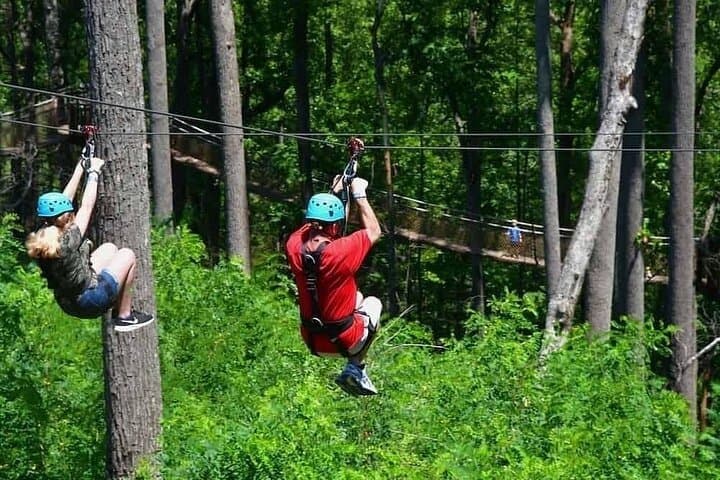
Less than two hours from Nairobi, Kereita Forest pairs hands-on canopy adventure with quiet montane trails and a sobering colonial history—perfect for families, teams, and curious travelers seeking a full-day pulse of nature.
Set out from Bass Harbor for a private, customizable day on Blue Hill Bay — lighthouses, puffins, seals, and the chance to feel Acadia from the water. Small groups, local captains, unforgettable views.
In four hours you can move from shaded canyon ferns to wind-scoured coastal ridgelines, guided by someone who knows where the light—and the hidden views—live. This private half-day hike on the Monterey Peninsula or Big Sur is compact, curated, and perfect for travelers who want depth without a multiday commitment.