
What the day feels like
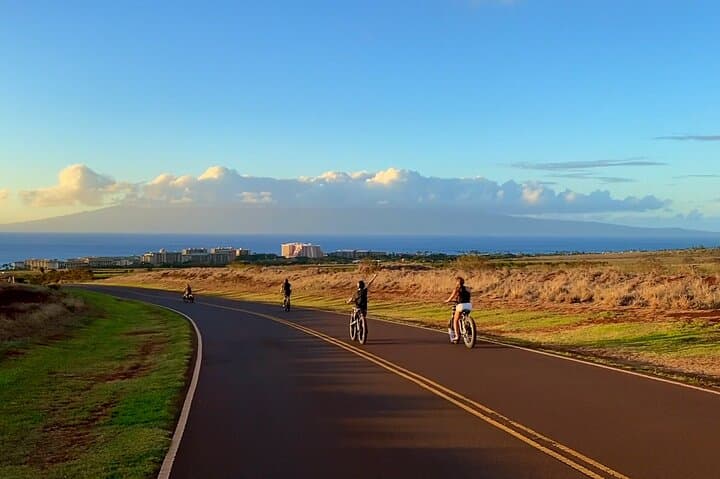
The first thing you notice is the noise—or rather, the deliberate absence of it. The Pacific edges the road in a shard of blue so open it makes you feel like you could step into it. Your e-bike hums beneath you, an obliging partner that amplifies the coast’s generosity: warm trade winds, a scent of salt and iron-rich lava, and a shoreline that bends from volcanic headlands into sugar-soft bays. For four hours you’re not rushing; you’re moving with intention, choosing where to stop, when to coast, and which rippled reef to watch for turtles.
This self-guided e-bike tour from Kapalua to ʻOlowalu is the kind of day that rearranges priorities. It’s not a race or a push to an arbitrary summit; it’s travel at human speed with enough motor assist to keep longer vistas in reach. The route threads along the Honoapiʻilani Highway, where the West Maui coastline alternates between palm-swept beaches, exposed lava benches, and the citrus-snap of lava fields that once flowed from West Maui’s ancient volcano. Honolua Bay keeps its cinematic reputation for a reason—reef gardens and blue holes that seem lit from within—while quieter stops like Napili and Kapalua Bay offer sheltered sand and shallow water that invites a lunch break.
Geology and history are written into the route. West Maui is the remnant of an eroded shield volcano whose ridges now cradle coastal plains and crescent beaches. Where you ride today was once part of ahupuaʻa—traditional Hawaiian land divisions that ran from the mountain to the sea—managed for centuries by native communities who cultivated fishponds and taro. In the 19th and 20th centuries sugar plantations reshaped the coastline and labor patterns; vestiges remain in the form of old plantation roads and the rolling parcels of cane now converted to resorts, coffee plots, and conservation areas.
Culturally, this stretch is not just scenery. ʻOlowalu means “who heals” in Hawaiian, and its reef and shoreline have long been a source of food and ceremony. As you coast past roadside stands, you’ll see an interplay of modern tourism and local life: surfers wax their boards, fishermen check traps, and small family-run food stands sell poke and coconut water. Respect here feels as simple as using reef-safe sunscreen, packing out your trash, and slowing down in small towns.
Practically, the experience is approachable. The tour is four hours long and designed for people with basic cycling ability—the e-bike handles the rolling hills, letting you stand and pedal on short rises or simply ride in eco mode and take in the views. Helmets and a scenic map app are included; locks come with the bikes so you can stop for swims and snacks. Expect modest elevation changes—short climbs that reward you with panoramic ocean views rather than long, sustained ascents. Battery life is a real consideration: start fully charged (rental batteries are sized for a multi-hour coastal loop), and use pedal-assist modes strategically—save the highest assist for climbs and headwinds.
Timing matters: mornings offer calmer wind and clearer water for snorkeling; late afternoon delivers golden light and often fewer crowds. If you ride between December and April, don’t be surprised to glimpse humpback whales offshore. Bring reef-safe sunscreen, a light waterproof layer in case of brief showers, and plenty of water; a hydrating electrolyte drink is a good idea for the post-lunch lull.
This tour is an excellent fit for travelers who want immersive coastal time without a car. Families with older kids, couples, and solo travelers who like mixing short explorations—coffee farms, a reef snorkel, a beach nap—will find it especially satisfying. It’s also easy to customize: stop at a seaside café, explore the Kapalua Coastal Trail, or hop off at a quieter stretch of reef for an improvised snorkel.
The logistics are simple and forgiving: the tour is self-guided, confirmed instantly, and priced affordably, making it a low-stress, high-reward day on Maui. The hum of the e-bike and the open coast can feel like permission to slow down—an antidote to the itinerary-heavy vacations that often suck the joy out of travel. On this ride, you make the stops that matter.
If you go, plan for the human details: start early to avoid traffic and hot midday sun, check your phone for the scenic map app before you leave (download maps for offline use), and let the ocean interrupt your schedule. There’s restorative power in the simple mechanics of cycling and the dramatic generosity of West Maui’s coast: it’s an experience that rewards curiosity as much as planning.
And when you finish—salted, sun-bright, and quietly satisfied—head into Lahaina for a late lunch of fresh fish or a locally brewed beer. The day will have rearranged your priorities a little, and in the best way: you’ll remember how it felt to move slowly through one of the Pacific’s finer edges, on a machine that makes that kind of intimacy possible without exhausting you.
Trail wisdom
Small choices, better day.
Start early
Mornings mean calmer seas for snorkeling, cooler temps for riding, and easier parking at Kapalua or Lahaina trailheads.
Conserve battery
Use lower assist modes on flats and switch to high assist only for hills or headwinds to ensure you have power for the full loop.
Bring reef‑safe sunscreen
Protect coral and your skin—apply before you leave and reapply after swims; avoid sprays that disperse into the ocean.
Lock and walk
Always use the provided bike lock when stopping at busy beaches or eateries; keep valuables with you or locked in a small pack.
Local knowledge
Read the place, not just the route.
Watch for native species including Hawksbill and green sea turtles (honu), Humpback whales (December–April offshore).
Keep an eye out for wildlife during the transition between areas and habitats. Respect distance guidelines.
The area’s reefs are sensitive: use reef‑safe sunscreen, avoid stepping on corals, and pack out all trash to protect marine life and shoreline habitats.
Follow the guide's instructions on size limits, ethical handling, and leave-no-trace practices.
ʻOlowalu reef flat—great for shallow snorkeling and sea turtles when conditions are calm. Kapalua Coastal Trail—an easy, less-crowded path with small coves and botanical variety
Locally recommended viewpoints and quiet spots known best to local operators.
This coastline was historically organized into ahupuaʻa—land divisions that ran from mountain to sea—and later saw 19th-century sugar plantation development that reshaped land use.
Maritime roots and regional tradition shape the waterways and working coasts.
Seasonal guide
Four versions of the same landscape.
Spring
Best forCalmer seas · Wildflowers · Fewer crowds
ChallengesOccasional showers · Variable winds
Spring (April–May) brings pleasant temperatures and fewer tourists—great for clear views and quieter beaches.
Summer
Best forWarm water swims · Long daylight hours · Snorkeling
ChallengesStronger trade winds some afternoons · Higher UV index
Summer is ideal for extended swims and evening rides, but expect stronger sun and the possibility of afternoon gusts.
Fall
Best forWarm ocean temps · Lower rain chance · Good visibility
ChallengesSome crowds in early fall · Variable surf depending on swells
Fall offers warm water and stable riding conditions—perfect for leisurely stops and clear reef snorkeling.
Winter
Best forWhale watching offshore · Dramatic skies · Cooler rides
ChallengesRougher surf in exposed bays · Shorter daylight hours
Winter brings humpback whale season and cooler rides, but be cautious near exposed surf breaks and check conditions before snorkeling.
Operator details
What the booking data adds.
Included
- ✓Use of bicycle
- ✓Interactive tour map, helmet and lock
Good to know
- ✓Service animals allowed
- ✓Public transportation options are available nearby
- ✓Not recommended for travelers with poor cardiovascular health
- ✓Suitable for all physical fitness levels
- ✓Weight limit for eBikes is 240 lbs
Pack with intention
What to bring.
Good to know
Common questions.
No advanced cycling skills are required; basic bike handling and road awareness are enough because the e-bike’s pedal assist handles most of the effort.
Plan the edges
The details that make the day easier.
Maui’s humpback whales migrate to Hawaiian waters each winter to breed and calve—Maui is one of the world’s top places to see them between December and April.
After the ride, head into Lahaina for fresh poke or fish tacos at a local spot and a pint at Maui Brewing Co.; for a quieter finish, find a seaside bench by the harbor and try shave ice from a roadside stand—local flavors here are seafood-centric and shaped by plantation-era multicultural influences.
- Closest airport
- Kahului (OGG); Typical drive to Lahaina
- Kapalua
- 40–60 minutes (30–35 miles); Trailhead
- Start
- Kapalua or Lahaina area; Cell service: intermittent along remote coastal stretches; Permits: none required for public road riding; Booking: instant confirmation; Price from $59.95.
This coastline includes sensitive reef ecosystems—use reef-safe sunscreen, respect no‑take zones, and carry out all waste to protect coral and marine species.
Explore by topic
Follow the threads.
Keep exploring
Make the story part of the trip.
In four hours you can move from shaded canyon ferns to wind-scoured coastal ridgelines, guided by someone who knows where the light—and the hidden views—live. This private half-day hike on the Monterey Peninsula or Big Sur is compact, curated, and perfect for travelers who want depth without a multiday commitment.
 Related story
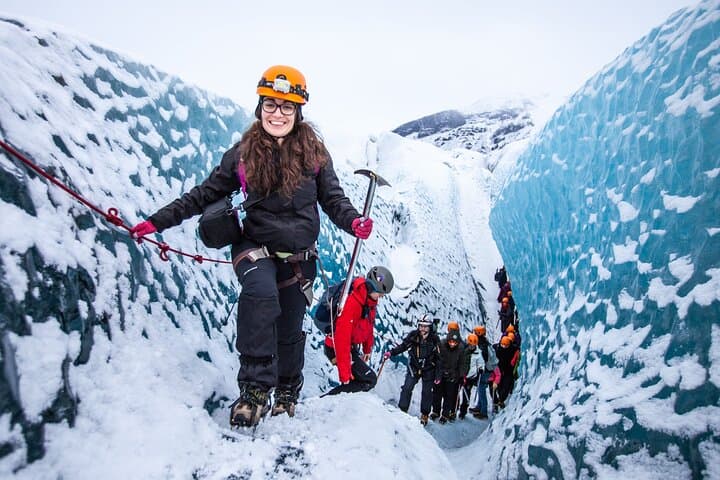
Beneath a sky of shifting light, Skaftafell’s ice reads like a map of time. This three-hour guided glacier hike mixes technical instruction with geology and culture: compact, safe, and unforgettable.
 Related story
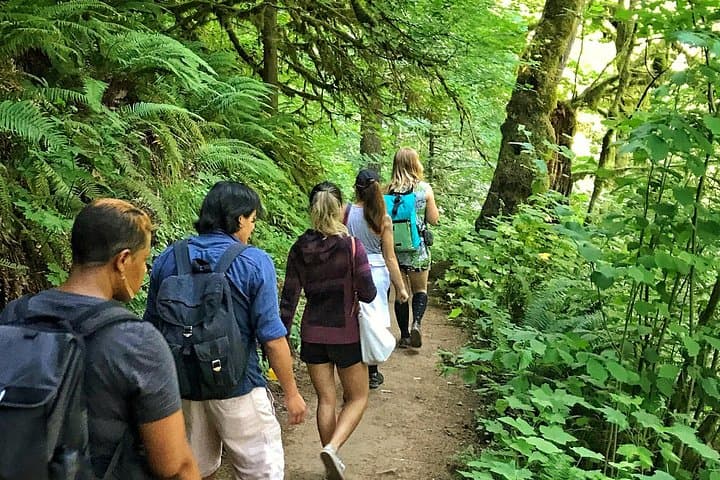
Lose the city for a few hours without leaving it: this 5-mile, 900-foot-gain Forest Park loop threads old-growth pockets, city viewpoints, and cultural landmarks for a compact taste of Portland’s wild side. Expect moss, roots, and stories.