
What the day feels like
You step out of the van into air that actually cools your face. The city heat peels away in a single breath and the horizon opens into an improbable bowl of blue: Taal Lake, the fat lip of a sleeping volcano, and beyond it the plain of Batangas. In Tagaytay the clouds feel negotiated — they hang at eye level, they tuck around ridgelines, they break and reveal a Ferris wheel that looks like a distant compass needle. This is a day that moves between adrenaline and ease: a Ferris wheel spin at Sky Ranch, a leafy stroll through Picnic Grove, a hush at Caleruega Church, and, if you choose, the brackish-scented logistics of a short boat ride to Taal Volcano. The soft drama of the landscape is constant; the activities are simply different ways of listening to it. The town’s altitude — roughly 600 meters above sea level — makes the scenes here cinematic without being remote. People’s Park in the Sky, with its Soviet-era concrete folly, is both a weather observatory and a local landmark whose plaza allows you to read the landscape like an open book. Picnic Grove’s hanging bridges and zipline platforms dare you to cross the valley with a grin. Caleruega’s gardens slow everything down and make space for reflection before the day picks up again by the lake. Tagaytay is part geology and part cultural habit: a highland escape for Manila families for generations, a line of weekend cottages, coffee shops, and ballooned-out view decks that celebrate the spectacle of Taal.“Why” is obvious here. You come for the views and leave with a list of sensory bookmarks — the smoked wood in a local restaurant, the sudden chill when clouds pass, the way the wind tugs at hats on lookout decks. The “why” also includes something more practical: Tagaytay compresses variety into eight hours. You can ride a Ferris wheel, stand on a Spanish-era lookout, pray in a quiet chapel, then take a choppy 30-minute outrigged boat to the island that is Taal Volcano. Geologically, Taal is a nested system — a crater within a lake within an island — and its presence is why Tagaytay exists as a viewpoint; the high ridge here is the caldera rim of an older eruption cycle. Historically and culturally, Tagaytay’s cooler clime made it a retreat long before it became Instagram-famous; local restaurants and small farms grew to serve visitors, and that culinary culture remains a welcome end to any active day. The optional boat leg deserves a brief, practical note. The crossing to Volcano Island is weather-dependent and guided: local boatmen know the safest channels and current conditions. The island itself was closed to casual trekking during parts of its recent eruptive history, so always check recent advisories and book the ride through a reputable operator who includes a trained guide. For families and casual travelers, Tagaytay is a modular playground: small stretches of walking, low-exposure lookouts, and plenty of seating and snack stops between photo ops. For thrill-seekers you can add a zipline at Picnic Grove or push for more active exploration on the volcanic island if conditions allow. A sensible plan makes the day pleasurable: start early to beat the midday crowds, arrange private transport to move efficiently between stops, and allow time for a long lunch at a ridge-side restaurant where hot silog breakfasts and slow-brewed coffee matter as much as the window seat. Practicalities aren’t an afterthought here — they shape the experience. Wear layered clothing: mornings can be misty, afternoons pleasantly warm. Closed shoes help on uneven outlooks, and a reusable water bottle keeps you from buying endless plastic at view decks. If you book the boat, leave heavy bags behind in the van; outriggers have limited dry space and wet seats. Respect is another practical instruction. Taal is an active system; don’t collect volcanic rocks or attempt off-trail exploration on the island. Local guides are not just facilitators — they are custodians of a landscape that is both living and fragile. At day’s end, Tagaytay’s social life bubbles up: small restaurants serve grilled meat and local desserts, coffee shops roast their own beans, and sunset drinkers absorb a view that never repeats exactly. You’ll leave with a checklist of sensory moments and a clearer sense of how the Philippines folds geology into everyday life. For travelers, Tagaytay offers a single-day package that feels like a small expedition: varied terrain, accessible thrills, cultural pauses, and a landscape that insists you look twice. With a little preparation — sensible shoes, an early start, and respect for local conditions — the day unfolds without friction and leaves a vivid impression: cool air, wide views, and the odd consolation that one full day can feel like a real escape.
Trail wisdom
Small choices, better day.
Start Early
Begin before 8 a.m. to secure prime parking and quiet viewpoints; afternoon clouds thicken and crowds grow.
Layer Up
Bring a light jacket for misty mornings and a breathable base layer for midday warmth.
Book a Licensed Boat
If you plan to visit Taal Island, use a guide-approved boat to ensure safety and compliance with current access rules.
Carry Cash
Many small vendors, parking attendants, and boatmen prefer cash — bring small bills for tips and fees.
Local knowledge
Read the place, not just the route.
Watch for native species including Common myna (Acridotheres tristis), Monitor lizards near lower picnic areas.
Keep an eye out for wildlife during the transition between areas and habitats. Respect distance guidelines.
Taal is an active volcanic system with restricted zones; support local guides, avoid taking geological souvenirs, and follow posted access rules to minimize impact.
Follow the guide's instructions on size limits, ethical handling, and leave-no-trace practices.
Sky Ranch’s less-crowded morning Ferris wheel for unobstructed sunrise views. Small ridge-side carinderias serving local bulalo for a hearty, warming meal
Locally recommended viewpoints and quiet spots known best to local operators.
Tagaytay developed as a highland retreat during the American colonial era and expanded as a weekend destination for nearby Manila, leveraging its cooler climate and volcanic views.
Maritime roots and regional tradition shape the waterways and working coasts.
Seasonal guide
Four versions of the same landscape.
Spring
Best forClear views · Fewer crowds · Cool mornings
ChallengesOccasional rain fronts · Variable visibility
Spring brings crisp mornings and good light for photography, though intermittent showers can reduce visibility.
Summer
Best forLonger daylight · Outdoor dining · Zipline fun
ChallengesHotter afternoons · Afternoon haze
Summer extends daylight hours and keeps attractions active; expect warmer midday conditions despite Tagaytay’s altitude.
Fall
Best forCrisp air · Color shifts in gardens · Less humidity
ChallengesCloudy mornings occasionally · Weekend crowding
Fall delivers balanced weather and comfortable hiking conditions; ideal for longer strolls and late lunches with a view.
Winter
Best forCoolest temperatures · Best sunrise/sunset color · Fewer rain interruptions
ChallengesCool mornings requiring jackets · Peak holiday crowding around Christmas-New Year
The local ‘winter’ months offer the clearest and coolest conditions for sweeping views — book ahead around holidays.
Operator details
What the booking data adds.
Included
- ✓Private transportation
- ✓Entrance fees to tourist spots • Tour guide
Not included
- —Meals
Good to know
- ✓Public transportation options are available nearby
- ✓Specialized infant seats are available
- ✓Not recommended for travelers with spinal injuries
- ✓Not recommended for pregnant travelers
- ✓Not recommended for travelers with poor cardiovascular health
- ✓Suitable for all physical fitness levels
Pack with intention
What to bring.
Good to know
Common questions.
This private tour is typically 8 hours, allowing time to visit multiple Tagaytay highlights and an optional boat ride to Taal Volcano.
Plan the edges
The details that make the day easier.
Taal Volcano is one of the world’s smallest active volcanoes and features a lake within its crater; its 2020 eruption led to temporary restrictions on visiting the island.
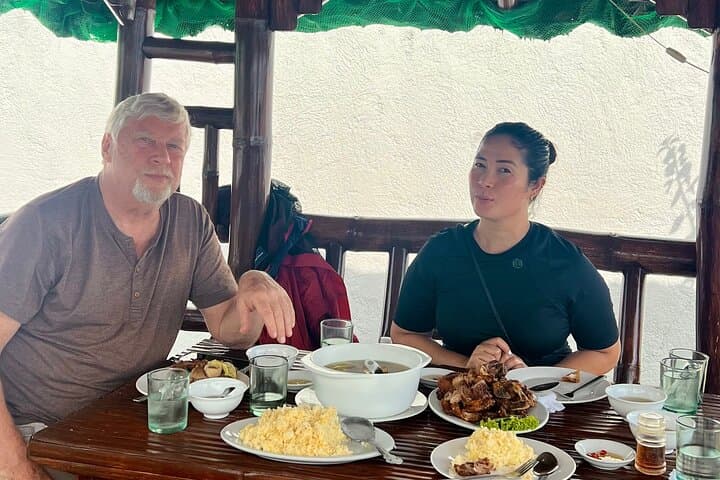
After a morning of lookouts and walks, settle in at a local carinderia for bulalo (beef marrow soup) or at a ridge-side café for civet coffee; small bakeries sell tayabak and other regional treats, and several family-owned restaurants specialize in views paired with slow-cooked meals.
- Closest airport
- Ninoy Aquino International Airport (Manila); Driving distance: ~65–80 km, 1.5–3 hours depending on traffic; Cell service: Generally good in town, spotty at some outlooks; Permits: No general permit for Tagaytay but Taal Island visits require licensed boat
Taal and its surroundings are ecologically sensitive; avoid collecting rocks or flora, use licensed guides, and pack out trash to protect the caldera landscape.
Explore by topic
Follow the threads.
Keep exploring
Make the story part of the trip.
In four hours you can move from shaded canyon ferns to wind-scoured coastal ridgelines, guided by someone who knows where the light—and the hidden views—live. This private half-day hike on the Monterey Peninsula or Big Sur is compact, curated, and perfect for travelers who want depth without a multiday commitment.
 Related story
Beneath a sky of shifting light, Skaftafell’s ice reads like a map of time. This three-hour guided glacier hike mixes technical instruction with geology and culture: compact, safe, and unforgettable.
 Related story
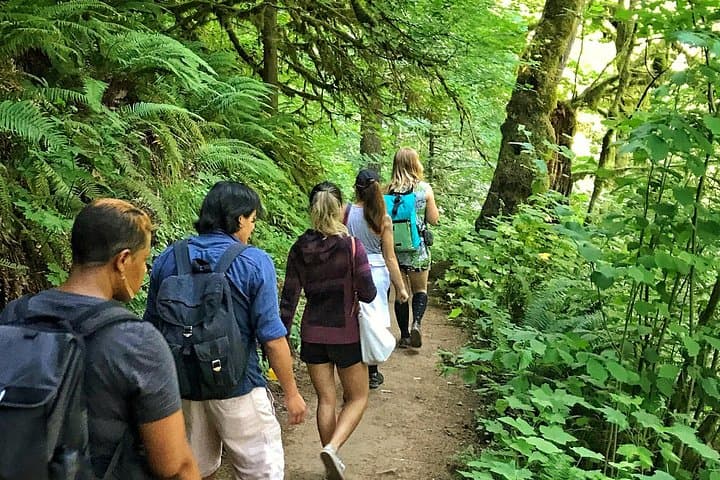
Lose the city for a few hours without leaving it: this 5-mile, 900-foot-gain Forest Park loop threads old-growth pockets, city viewpoints, and cultural landmarks for a compact taste of Portland’s wild side. Expect moss, roots, and stories.