
What the day feels like
The morning begins with salt and spruce: a cold breath that slides over your collar as the boat eases away from Icy Strait Point and the small wooden piers of Hoonah. The town shrinks to a smear of color—weathered siding, a stack of skiffs, a lone bald eagle perched like a question mark—and the channel opens into the indifferent, living ocean. In minutes the land becomes a backdrop and the real landscape takes shape in sound: the slap of bow on swell, gasps of birds, and the soft, distant exhale of a humpback letting the surface know it's there. For three hours you are in pursuit of that exhale—and, often, the grander theatrics that follow.
This is not passive sightseeing. Icy Strait sits where the continental shelf pinches, where deep channels funnel tidal energy and attract the forage fish that humpbacks and transient orcas pursue. The geology is glacial and raw: steep fjord walls sheared by ice-age rivers, boulders and coves, and underwater drop-offs that create biological edges. The region is ancestral Tlingit territory—the Huna people have lived off these waters for millennia—and modern Hoonah and the Icy Strait Point development both reflect a living connection to marine resources and culture. Guides on the water often share short cultural notes about fishing practices, totem histories, and the living relationship between people and the sea, adding context to every whale sighting.
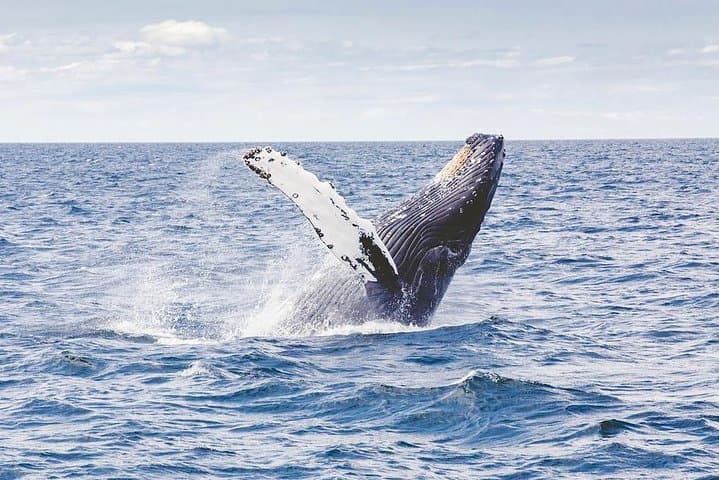
Wildlife is the headline—humpback whales are the most likely actors, turning this narrow theater into a stage for bubble feeding, tail slaps, and breaching—but the extras are memorable: brown bears poring over the shoreline when you’re near an estuary, Steller sea lions sunning on rocky points, and dense clouds of kittiwakes and jaegers cutting wind above. The sea has personality here: currents dare you to read them wrong, tidal streams push the boat forward, and fog will sometimes appear and then retreat as if to give the whales privacy. The seas can be glassy one hour and choppy the next; that change is part of the rhythm and part of the reason you come prepared.
Practically speaking, the tour is a three-hour, shore-based whale-watching experience operating out of the Hoonah/Icy Strait area. It’s a small-window, high-reward outing: late spring through mid-summer is prime for feeding humpbacks as salmon runs and forage fish concentrate in the strait. Tours like this are often booked by cruise passengers but are equally accessible to independent travelers staying in Hoonah. Expect close-up animal behavior—blows within sighting range, repeated dives, and the occasional breach—because the operators ply known feeding grounds and follow NOAA guidelines to minimize disturbance while maximizing viewing opportunities.
Why book this particular excursion? Beyond the odds of seeing whales, it’s the combination of scale and intimacy: the wide, raw Alaskan seascape and the way the boat allows you to be both near and respectful. Logistics are tidy—the tour runs three hours, offers instant confirmation, and usually includes knowledgeable naturalist guides. The price reflects the operating realities of remote marine tours (the listed rate begins at USD 321.96). Free cancellation is often a feature, and operators will adjust for weather or safety. Bring binoculars, a camera with a decent zoom, warm layers, and a willingness to trade guaranteed shoreline views for the possibility of extraordinary marine encounters.
Seasonality matters. June through August brings the greatest concentration of humpbacks feeding; May and early September can also be excellent but are more variable. Weather and sea state dictate comfort: calm sea days invite a relaxed watch for breaching whales, while choppier sessions demand more focus and motion-sickness prep. Guides read the ocean—bird congregations, slicks of baitfish, and the path of gulls provide better clues than a map—and your best days are the ones when crew experience and luck align.
On-deck etiquette is simple but important: follow guide directions, stay at measured distances as requested to avoid stressing animals, and keep voices down during sightings; you’re in the whales’ neighborhood, not the other way around. Photographers should balance the urge for perfect frames with the reality that the most vivid memories rarely fit cleanly into a sensor: take the shots, then look up.
For planners: pair the tour with time ashore in Hoonah and a visit to Icy Strait Point if the pier is open—there are short cultural exhibits, local shops, and fresh seafood options that make a perfect post-boat debrief. For travelers arriving by air, Juneau is the regional hub and flight schedules to Hoonah are seasonal; cruise passengers will find this a convenient shore excursion with prompt pickup and return.
The payoff is elemental. A whale surfaces and the world narrows to a single, enormous animal—its barnacled tail lifting like a sign, its dark back gleaming between breaths—and you register how much of Alaska’s life happens at the interface of sea and sky. On the ride back to the dock, you watch for bears in the alder thickets, hear the guide point out a kingfisher on a snag, and feel a clean, tired satisfaction: you came for the whales but leave with a clearer sense of place, and the small, human comforts of a harbor waiting to receive you.
Trail wisdom
Small choices, better day.
Dress in Layers
Temperatures on the water can be 10–20°F cooler than onshore—wear a windproof outer layer and insulated mid-layer.
Bring Motion-Sickness Aid
If you’re prone to seasickness, take preventive medication 30–60 minutes before boarding and use acupressure bands.
Binoculars and Camera
A pair of 8x–10x binoculars and a camera with a 200mm+ lens help you dial in distant blows and tail slaps.
Follow Wildlife Etiquette
Listen to guides for approach distance—NOAA and local rules are there to protect animals and your experience.
Local knowledge
Read the place, not just the route.
Watch for native species including Humpback Whale, Brown Bear.
Keep an eye out for wildlife during the transition between areas and habitats. Respect distance guidelines.
Operators adhere to marine mammal approach rules and support local efforts to balance tourism with subsistence and wildlife protection.
Follow the guide's instructions on size limits, ethical handling, and leave-no-trace practices.
Check the low-tide shorelines near sheltered coves for eagle and otter activity. Short hikes near Icy Strait Point for views of fjords and interpretive cultural exhibits
Locally recommended viewpoints and quiet spots known best to local operators.
This coastline is within the traditional territory of the Huna Tlingit; commercial and subsistence marine use has shaped local culture for centuries.
Maritime roots and regional tradition shape the waterways and working coasts.
Seasonal guide
Four versions of the same landscape.
Spring
Best forEarly whale arrivals · Migratory shorebirds
ChallengesUnpredictable weather · Cooler sea temperatures
Spring can produce early whale activity and abundant bird life but expect variable conditions and cooler temps.
Summer
Best forPeak humpback feeding · Long daylight hours
ChallengesBusy cruise-ship schedules · Crowded excursion bookings
Summer is prime: highest odds for sustained whale behaviors and the gentlest weather windows—book early.
Fall
Best forLate-season whale activity · Fewer crowds
ChallengesIncreasing storms · Shortening daylight
Fall offers quieter waters with decent whale chances but weather becomes more changeable by September.
Winter
Best forOff-season solitude ashore · Aurora viewing inland
ChallengesWhale tours limited or unavailable · Rougher seas and cold
Winter is generally outside commercial whale-watching season—tours are rare and conditions are harsher.
Operator details
What the booking data adds.
Included
- ✓Bottled water and a light snack
- ✓Roundtrip transportation from Icy Strait Point gates
- ✓Snacks
- ✓Restrooms onboard boat
- ✓Bottled water and a light snack are included.
Not included
- —Food and drinks
Good to know
- ✓Public transportation options are available nearby
- ✓Suitable for all physical fitness levels
- ✓At time of booking, Cruise ship passengers must provide the following information at time of booking: ship name, docking time, disembarkation time and re-boarding time
Pack with intention
What to bring.
Good to know
Common questions.
The excursion runs approximately three hours from boarding to return.
Plan the edges
The details that make the day easier.
Icy Strait and nearby waters are among the highest-density humpback feeding areas in Southeast Alaska during summer months—making it a global hotspot for whale watching.
After the tour, head to Icy Strait Point or Hoonah’s small eateries for fresh-caught salmon and local seafood; look for cultural demonstrations and locally made crafts that reflect Tlingit heritage.
- Closest airport
- Hoonah Airport (HNH) with connections via Juneau (JNU); Driving
- transfer
- short boat or shuttle from Icy Strait Point; Cell service: spotty—plan meetups and confirmations in advance; Permits: none for visitors but operators follow NOAA marine mammal guidelines.
This area is sensitive marine habitat—stay with licensed operators, keep appropriate distances from whales, and pack out all trash to protect shoreline and marine life.
Explore by topic
Follow the threads.
Keep exploring
Make the story part of the trip.
Set out from Bass Harbor for a private, customizable day on Blue Hill Bay — lighthouses, puffins, seals, and the chance to feel Acadia from the water. Small groups, local captains, unforgettable views.
In four hours you can move from shaded canyon ferns to wind-scoured coastal ridgelines, guided by someone who knows where the light—and the hidden views—live. This private half-day hike on the Monterey Peninsula or Big Sur is compact, curated, and perfect for travelers who want depth without a multiday commitment.
 Related story
Beneath a sky of shifting light, Skaftafell’s ice reads like a map of time. This three-hour guided glacier hike mixes technical instruction with geology and culture: compact, safe, and unforgettable.