
What the day feels like
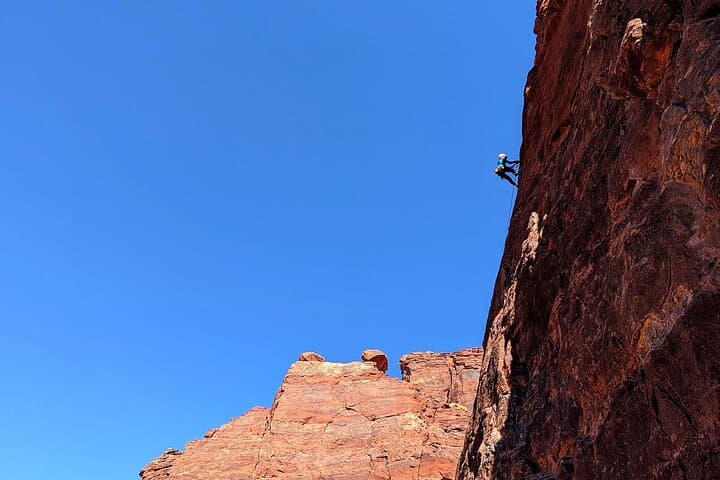
You step out of the van and the sun hits the fins—the narrow, vertical ribs of Entrada and Navajo sandstone that have been wind-sculpted into ridges and towers. A dry breeze carries the metallic tang of gear and the farther murmur of the Colorado River, while scrub oak and pinyon keep time between the rock faces. Your guide gestures to a line of bolts glinting like lighthouses; the route waits, patient and exacting, as if the desert itself is testing how badly you want to climb it. For eight hours, the day expands into sequences of moves, belays, and quiet intervals where the desert seems to hold its breath.
Moab’s sandstone is honest rock—grippy, fragile in places, and riddled with pockets and edges that reward attention as much as strength. Geologically, these cliffs are chapters of a Jurassic story: dunes compressed and cemented into towering stone over 150 million years ago. The result is a unique climbing canvas: steep slabs, thin cracks, and pocketed faces whereTechnique matters more than brute force. Historically, this landscape was crossed by Fremont and Ute peoples, later becoming a corridor for Mormon pioneers and miners; today it’s a global mecca for climbers who want their vertical lines with a desert backdrop that reads like a painting.
This isn’t alpine climbing in the Rockies; the approach is measured in minutes rather than miles, but the environment imposes its own rules. Expect short to moderate walks—typically 5–30 minutes—over uneven desert scrub. Routes on a guided day often range from 30 to 150 feet, with a variety of grades from beginner-friendly 5.6s to challenging single-pitches at 5.11. A professional guide tailors the day: beginners learn rope systems, belay technique, and footwork; intermediate climbers work on movement and lead skills; experienced climbers can be guided on more committing lines.
Culturally, Moab carries an approachable, outdoorsy personality. The town’s coffee shops and guide shops hum with advice, maps, and beta on the best lines, while the restaurants show up after a long day with cold beers and plates that taste like reward. Local guides take pride in stewardship: climbing routes on sandstone require care—abrasive approaches are avoided, and anchors are inspected and respected to extend the life of fixed gear.
Practicalities matter. Heat is the desert’s constant pressure. Start early or aim for late afternoon climbs—late spring and fall are ideal—and hydrate deliberately: the day is long, and the altitude and dry air work against you. Footwear is a choice: sticky climbing shoes for the rock, supportive approach shoes for the walk. Helmets are non-negotiable; sandstone flakes when it wants, and loose flakes are a part of the game. Expect a full-day outing—this Viator experience runs roughly eight hours, with time broken up between instruction, climbing, and breaks.
The rewards are as tangible as the calluses you’ll earn: standing on small ledges with a vast desert horizon, the Colorado River carving its blue line through red country, and the quiet satisfaction of threading a sequence that once felt impossible. For photographers the light is spectacular—low-angle sun that saturates reds and tosses long shadows across ribs of stone. For the risk-averse or those on a first climb, guided sessions remove the unknowns: gear is provided, safety systems are taught, and the route selection matches both ability and appetite for exposure.
From a planning perspective: the tour is best in shoulder seasons (spring and fall) to avoid extreme summer heat and winter cold. Wear sun layers, bring 2–3 liters of water, and a small first-aid kit. If you have climbing-specific goals—lead climbing practice, crack technique, or multi-pitch instruction—communicate that when booking so guides can match routes and objectives. Expect a mix of top-roped and guided lead climbs depending on your skill set and the day’s plan.
Desert rock climbing around Moab is an invitation: to move carefully, to read the rock, to be humbled and rewarded in short, intense pitches. You’ll come for the routes, but you’ll leave with a clearer sense of the desert’s language—its textures, its rules, and its odd, generous beauty.
Trail wisdom
Small choices, better day.
Start Early or Late
Desert heat builds fast—plan to climb in the cooler morning or late afternoon for the best rock and comfort.
Conserve Water
Bring at least 2–3 liters and sip regularly; electrolyte supplements help on full-day outings.
Respect Sandstone
Avoid brushing or chipping the rock; use existing anchors and follow guide instructions to prevent damage.
Wear a Helmet
Sandstone can shed small flakes and loose rock—helmets are required and provide essential protection.
Local knowledge
Read the place, not just the route.
Watch for native species including Desert cottontail rabbit, Red-tailed hawk.
Keep an eye out for wildlife during the transition between areas and habitats. Respect distance guidelines.
Climbing on desert sandstone requires care—use established trails, avoid placing new permanent gear without permission, and pack out all trash to protect fragile soil crusts.
Follow the guide's instructions on size limits, ethical handling, and leave-no-trace practices.
Morning light on lesser-known fins near the Colorado River corridor. Short scramble viewpoints off the main trail with panoramic canyon views
Locally recommended viewpoints and quiet spots known best to local operators.
The Moab area contains Entrada and Navajo sandstone formed during the Jurassic; it has long been a travel and trade corridor for Indigenous groups and later settlers.
Maritime roots and regional tradition shape the waterways and working coasts.
Seasonal guide
Four versions of the same landscape.
Spring
Best forModerate temperatures · Blooming desert plants · Long daylight hours
ChallengesVariable weather · Windy afternoons
Spring is one of the best times—days are warm but not hot, and the rock is generally stable; bring a wind layer for gusty afternoons.
Summer
Best forExtended daylight · Evening climbs · Fewer tourists in midday
ChallengesExtreme heat · Heat-related dehydration · Limited midday climbing windows
Summer brings intense heat; if you go, plan pre-dawn starts or late-afternoon sessions and carry extra water and sun protection.
Fall
Best forCool, stable weather · Peak climbing conditions · Photogenic light
ChallengesShorter days · Potential for occasional storms
Fall is optimal: temperatures are comfortable, rock conditions are reliable, and views are crisp—book early for popular dates.
Winter
Best forQuiet trails · Clear skies on mild days
ChallengesCold mornings · Possible snow or ice on approaches
Winters are quieter but colder; choose midday climbs on sunny days and layer for temperature swings.
Operator details
What the booking data adds.
Included
- ✓All Fees and Taxes
- ✓Harness, Helmet, Rock Shoes, Chalk, Ropes, Hardware
Not included
- —Gratuity
Good to know
- ✓Public transportation options are available nearby
- ✓Not recommended for pregnant travelers
- ✓Not recommended for travelers with poor cardiovascular health
- ✓Travelers should have at least a moderate level of physical fitness
- ✓Must be 13 or older to participate
Pack with intention
What to bring.
Good to know
Common questions.
No—guided programs accommodate beginners with top-rope instruction; state your experience when booking if you want lead climbing practice.
Plan the edges
The details that make the day easier.
Arches National Park, near Moab, contains over 2,000 cataloged natural sandstone arches, a result of the same Entrada and Navajo formations that make local climbing unique.
After a day on the rock, head back to Moab for a cold beer at Moab Brewery or a hearty meal at Desert Bistro; local outfitters and guide shops line town and are great spots to swap beta and pick up last-minute gear.
- Closest airport
- Canyonlands Field (CNY); Major airport: Salt Lake City (SLC, ~235 miles). Driving from Moab: 20–45 minutes to most climbing areas. Cell service: intermittent on approaches. Permits: BLM typically no permit; Arches NP requires park pass. Commercial guiding may require operator-specific authorizations.
Sandstone is fragile—stay on established approaches, avoid removing vegetation, use existing anchors, and pack out all waste to protect cryptobiotic soils and native flora.
Explore by topic
Follow the threads.
Keep exploring
Make the story part of the trip.
Set out from Bass Harbor for a private, customizable day on Blue Hill Bay — lighthouses, puffins, seals, and the chance to feel Acadia from the water. Small groups, local captains, unforgettable views.
In four hours you can move from shaded canyon ferns to wind-scoured coastal ridgelines, guided by someone who knows where the light—and the hidden views—live. This private half-day hike on the Monterey Peninsula or Big Sur is compact, curated, and perfect for travelers who want depth without a multiday commitment.
 Related story
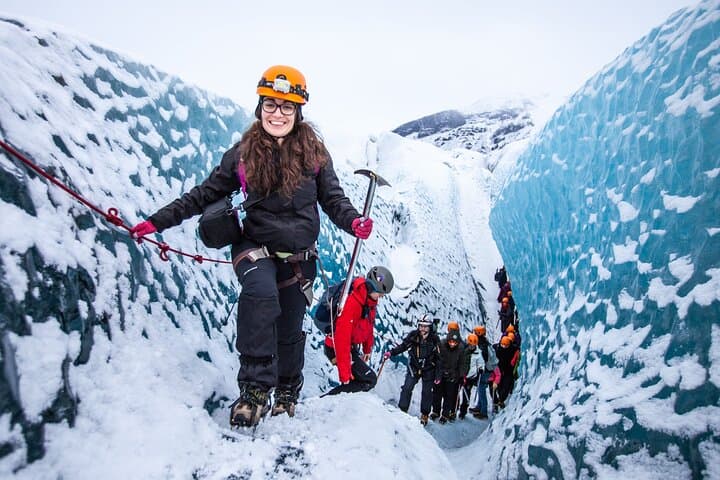
Beneath a sky of shifting light, Skaftafell’s ice reads like a map of time. This three-hour guided glacier hike mixes technical instruction with geology and culture: compact, safe, and unforgettable.