
What the day feels like
The first time the sea pulls your attention away from the rock is also the moment the climb asks you to focus. Salt and wind sharpen the angles of the cliff, gulls wheel like white commas in the blue, and for a few minutes you live between two elements. On a typical North Devon morning the guide straps a helmet onto your head, clips a harness, and points out the thin strip of ledge that separates safe feet from the swell below. It’s an intimate, slightly humbling place to learn how to move on real stone.
This 2.5-hour Outdoor Rock Climbing Adventure in North Devon makes that intimacy accessible. Designed for a mix of beginners and people with outdoor experience, the session is less about breaking records and more about learning the craft of climbing on real coastal crags—reading holds, trusting your belayer, and managing rope systems while the Atlantic rasps at the cliffs. The price is modest (from USD 61.13) and the time commitment short, which makes it a perfect half-day investment to anchor a longer Devon escape.
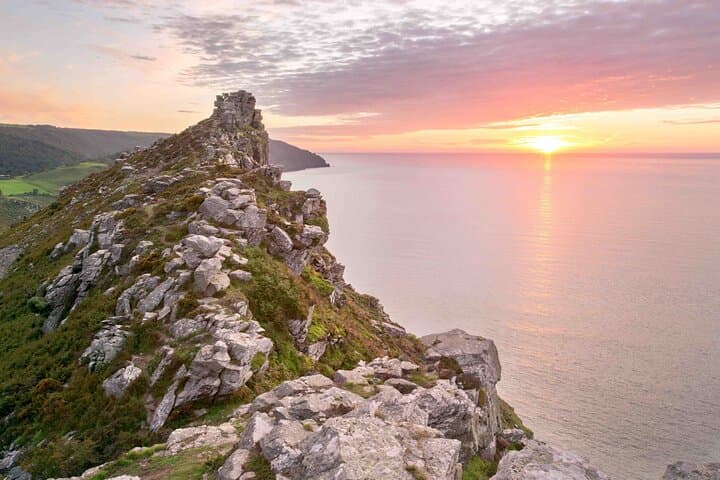
Geology and setting matter here. North Devon’s coastline is a study in contrasts: wave-cut platforms and vertical faces formed over millennia, a mosaic of mudstone and sandstone folded into steep, accessible routes. The climbs themselves are varied—short single-pitch routes with solid protection, face climbing where balance beats brute strength, and options close to abandoned quarries where sheltered lines offer calm on blustery days. The landscape’s rawness is part of the lesson: the ocean can alter holds, so technique and situational awareness replace force.
The cultural layer is gentle but notable. North Devon’s climbing tradition is linked to local communities of surfers, fishermen, and farmers—people who read weather and tide the way other places read maps. Small towns like Braunton and nearby villages keep the kind of pubs and tea rooms that welcome muddy boots and salt-stiff hair. Local guides are rooted in this rhythm; they time sessions for tide windows and light, and they teach with a conversational tone that mixes technical instruction with local lore.
Why choose this trip? For first-timers, it removes the uncertainty of “what to bring” and “where to go.” For people with prior outdoor experience, it offers the chance to test skills on sea cliffs with professional oversight. The short duration—about 150 minutes—makes it a productive morning or afternoon addition to a surf trip, coastal hike, or weekend in the Southwest.
Practicalities matter on the coast. Expect a moderate level of physical exertion: short approaches across uneven ground and focused climbing that taxes fingers, calves, and cardio in bursts rather than a steady grind. Guides typically provide technical gear—ropes, harnesses, helmets, and sometimes shoes—so personal packing focuses on comfort, safety, and weather. Footwear for the approach should be sturdy; dress in layers with windproof outerwear, and bring a small, easily accessed water bottle.
Timing is tactical. Tide and weather shape where you climb and what routes are safe. Spring and summer bring longer daylight and milder water temperatures, while autumn can deliver dramatic skies and lively surf—beautiful but more exposed. Winter sessions are possible but require cold-weather layers and careful site selection. Morning sessions often mean calmer winds and cleaner light; afternoons can offer better thermal warmth but more wind.
Safety is not optional. Coastal climbing introduces variables absent on an inland crag: loose rock on old ledges, tides that reduce escape routes, and stronger winds that change the feel of a climb. That’s why a guided session is the right call: the instructor will anchor protection, teach belay techniques, and manage group logistics. Listen closely during the safety briefing and ask about rescue plans and how you’ll be lowered if needed.
Beyond the climb, the coastline rewards a slower pace. After the session, walk a short stretch of coastal path, sip tea in a café, or stand on a headland watching tides and birds. Local pubs in Braunton and nearby villages will have hearty plates and local ales—small rituals that complete the day.
If you’re planning, book in advance during summer and bank-holiday weekends. Ask the operator what gear they provide, clarify meeting points (some tours operate from Bristol with transport options), and share any medical concerns in advance. For photographers, mid-morning light is flattering on faces and rock; for solitude, choose shoulder seasons.
This North Devon climb is straightforward enough to be welcoming and textured enough to be memorable. It’s not about summit lists or sending hard grades; it’s about learning to move, read the rock, and feel the tug of the sea beneath your feet. That combination—technique, place, and a little risk managed by professionals—makes it a distinctly British coastal adventure: close, wild, and very possible.
Trail wisdom
Small choices, better day.
Check Tide and Weather
Climbing is scheduled around tides—confirm tide windows and expect changes in route selection if the surf is high.
Bring a Small Daypack
Carry layered clothing, water, and a snack; the approach can be rocky and exposure can make conditions chilly.
Trust the Guide, Ask Questions
Guides provide ropework and safety; ask about belay technique and emergency procedures if you’re unfamiliar.
Footwear for Approaches
Wear sturdy shoes with grip for the approach—climbing shoes may be provided but they’re not good for walking across uneven terrain.
Local knowledge
Read the place, not just the route.
Watch for native species including Peregrine falcon, Grey seal.
Keep an eye out for wildlife during the transition between areas and habitats. Respect distance guidelines.
The area includes protected habitats—stick to marked paths, avoid trampling fragile dune and cliff-top vegetation, and follow guides’ instructions to reduce erosion and disturbance.
Follow the guide's instructions on size limits, ethical handling, and leave-no-trace practices.
Explore the tidal platforms near small coves for photographic angles. Visit less-trafficked quarry lines for sheltered climbing on windy days
Locally recommended viewpoints and quiet spots known best to local operators.
North Devon’s coastline has been shaped by centuries of fishing, quarrying, and coastal trade; many headlands host old quarry workings and paths used by generations of locals.
Maritime roots and regional tradition shape the waterways and working coasts.
Seasonal guide
Four versions of the same landscape.
Spring
Best forMilder temperatures · Spring light photography · Less crowded cliffs
ChallengesVariable weather · Cool water temperatures
Spring brings fresh green headlands and manageable crowds; dress in layers and expect changeable conditions.
Summer
Best forLong daylight · Warmer temps on the cliff · Easy transport links
ChallengesBusier weekends · Stronger midday sun
Summer is prime for accessibility and warmth, but book ahead and bring sun protection.
Fall
Best forDramatic skies · Fewer tourists · Good shoulder-season deals
ChallengesWindier days · Cooler, wetter weather
Autumn delivers photogenic surf and calmer crags but requires windproof layers and flexible scheduling.
Winter
Best forQuiet experience · Intense coastal moods
ChallengesCold and wet · Short daylight hours
Winter climbs are possible with proper gear and experienced guides; expect shorter sessions and selected sheltered routes.
Pack with intention
What to bring.
Good to know
Common questions.
No—this guided session is designed for both beginners and climbers with some outdoor experience; instructors teach technique and safety on the day.
Plan the edges
The details that make the day easier.
Parts of the North Devon coast, including Braunton Burrows, form the North Devon Biosphere Reserve, recognized by UNESCO for its unique coastal habitats.
After your climb, warm up with a pint and a seafood or steak-and-ale pie at a local pub in Braunton, or grab a cream tea at a village tearoom—many coastal cafes cater to surfers and climbers with hearty, local fare.
- Closest airport
- Exeter (EXT)
- Closest town
- Braunton (10–30 min drive from many North Devon crags)
- Driving distance
- depends on crag—plan 15–45 minutes from coastal towns
- Cell service
- patchy on cliffs—download directions and emergency numbers
- Permits
- none typically required, but guided operators will handle site permissions
This coastline contains sensitive habitats—pack out all trash, avoid trampling cliff-top vegetation, and follow your guide’s route choices to reduce erosion and disturbance.
Explore by topic
Follow the threads.
Keep exploring
Make the story part of the trip.
Set out from Bass Harbor for a private, customizable day on Blue Hill Bay — lighthouses, puffins, seals, and the chance to feel Acadia from the water. Small groups, local captains, unforgettable views.
In four hours you can move from shaded canyon ferns to wind-scoured coastal ridgelines, guided by someone who knows where the light—and the hidden views—live. This private half-day hike on the Monterey Peninsula or Big Sur is compact, curated, and perfect for travelers who want depth without a multiday commitment.
 Related story
Beneath a sky of shifting light, Skaftafell’s ice reads like a map of time. This three-hour guided glacier hike mixes technical instruction with geology and culture: compact, safe, and unforgettable.