
What the day feels like
You step off the small rib with spray still cooling your skin and look up: the cave’s mouth is a perfect, sunlit halo in the cliff face, and a round skylight slices daylight into the cathedral‑quiet chamber. Around you, the Atlantic is both mirror and motor—glinting when it wants to be gentle, pushing you forward when it wants to remind you who’s in charge. This is the Algarve on a busy day, and it refuses to be muted.
The From Faro: Benagil, Algar Seco, and Marine Adventure Tour folds seven coastal kilometers into one concentrated day—boat time, cliff‑top hiking, a wild cliff‑jump, and a long lunch on a postcard of a beach. It’s the kind of itinerary that satisfies two types of travelers at once: those who want the sea’s best hits without the logistics, and those who want to feel a little wind in the face and a little ache in the legs by nightfall.
Start with the cave everyone has pinned on their map: Benagil. The cave’s skylight is a geological signature—wave and wind carving a chamber into the limestone until the roof gave way. From above you can inspect the open mouth of the grottos along the 7 Hanging Valleys, then drop down to the ribs for a water‑level look that rewrites perspective. The guide’s voice is practical—timing the approach for the tide, keeping the skiff in the sweet spot so photographers get their frame without stressing the rock. Nature, in turn, behaves with character: currents that dare you to balance your board, cliffs that stare back with a slow, craggy patience.
Algar Seco is the day’s second act, a theatrical stack of natural balconies and blowholes on a headland that insists you slow down. Walk the wind‑polished pathways, peer into tide‑cut grottoes, and let gulls mark the rhythm. Then there’s Praia da Marinha, a beach as composed as a still life—turquoise gradients, honeyed rock formations, and a sand shelf that invites a deliberate lunch. The tour gives you free time here: eat a sandwich on the shore, wade into warm shallows, or hike the cliff edge where the 7 Hanging Valleys Trail unfurls the coastline in panoramic sections.
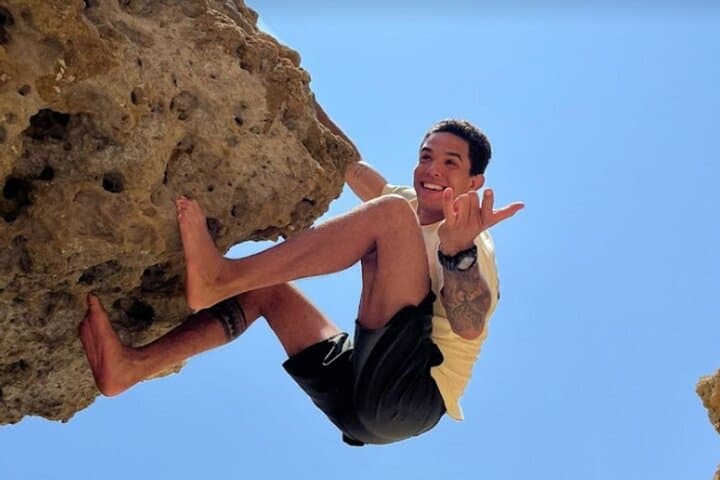
For the adventurous, the tour keeps its promise of a jolt: guided cliff jumping in a controlled spot where instructors scope the water and announce the depth. It’s quick, safe, and intentionally optional. Many people choose to watch, some choose to step, and everyone chooses to feel the salt in their teeth afterward.
This stretch of southern Portugal has a layered story. The limestone cliffs are surface evidence of an ancient seabed raised and etched by Mediterranean and Atlantic forces. The name Algarve comes from the Arabic al‑Garb, meaning "the west," a reminder of centuries of Moorish influence that threaded irrigation, architecture, and place names into the region. Fishing villages grew into holiday towns; fishermen’s boats gave way to skiffs and glass‑bottom tours, but the sea’s role as provider persists in local markets and grills.
Practicalities matter: the full experience runs about seven hours, leaving Faro in the morning and returning by evening. Expect a mix of boat motion and walking—short hikes along cliff paths and flat boardwalks more than alpine ascents—but bring shoes that can handle slick rock and a little sand. Timing is everything; mornings are calmer on the water, late afternoons sharper for light and photos, and shoulder seasons trim the crowds while keeping the sea warm enough for swimming.
Why do this tour instead of renting a car and improvising? The guides read the tide, the currents, and the cove angles. They know where to line up for the Benagil shot, how to thread a skiff into a narrow grotto without stressing protected rock, and where the cliff jump can be safely staged. That local knowledge turns a good day into a day where the logistics recede and the coast does the talking.
Who should go: casual hikers who want a shoreline view without a heavy pack; families who want an accessible cave experience; mid‑level adventurers seeking a safe cliff jump and a little sea time. It’s not a technical expedition—there’s no rope work or multi‑day logistics—but it is an active day that rewards sensible preparation.
If you go, treat the coastline like a guest: keep a respectful distance from nesting birds, don’t remove shells or rock fragments, and listen to your guide about sensitive spots. The cliffs have patience; they don’t need souvenir chipping to keep their story.
In short, this is a compact coastal sampler that does more than ferry passengers past prettiness. It curates moments—the hush under the Benagil skylight, the echo in an Algar Seco grotto, the brief freefall off a sun‑warmed ledge—then deposits you back in Faro with sand in your shoes and a clear sense of time well spent.
Trail wisdom
Small choices, better day.
Time your trip around tide
Low to mid tide offers the best views inside Benagil and safer boat approaches—ask the operator which tide window they target.
Wear grippy footwear
Traction‑soled sandals or light hiking shoes will handle wet rocks at Algar Seco and cliff paths along the 7 Hanging Valleys.
Bring waterproof storage
A small dry bag keeps your phone, documents, and snacks safe from spray during boat transfers.
Know the cliff jump is optional
Instructors check depth and conditions—only jump if you feel comfortable and follow their directions.
Local knowledge
Read the place, not just the route.
Watch for native species including Audouin's gulls, Occasional dolphins offshore.
Keep an eye out for wildlife during the transition between areas and habitats. Respect distance guidelines.
This coastline includes fragile limestone and marine habitats—stick to marked paths, avoid taking natural souvenirs, and follow guides’ instructions to minimize erosion and disturbance.
Follow the guide's instructions on size limits, ethical handling, and leave-no-trace practices.
The cliff‑side viewpoint between Benagil and Marinha for sunrise silhouettes. A small tidal grotto at Algar Seco reachable at low tide for quiet photography
Locally recommended viewpoints and quiet spots known best to local operators.
The Algarve’s coastline bears traces of Moorish toponymy and past maritime economies; many small fishing villages near these cliffs evolved into seaside towns while retaining seafood traditions.
Maritime roots and regional tradition shape the waterways and working coasts.
Seasonal guide
Four versions of the same landscape.
Spring
Best forWildflowers on the cliffs · Fewer crowds · Mild sea temperatures
ChallengesOccasional spring storms · Variable sea state
Spring brings blooming coastal scrub and cooler, pleasant conditions—ideal for walking the cliffs and avoiding peak-season crowds.
Summer
Best forWarm sea for swimming · Long daylight hours · Consistent boat schedules
ChallengesPeak crowds · Hot midday sun
Summer delivers warm water and steady service but expect more people; aim for early starts or late afternoons to skip the busiest hours.
Fall
Best forClear light for photography · Warmer sea retained from summer · Calmer crowds
ChallengesShortening days · Occasional Atlantic swell
Early fall is a sweet spot—sea temperatures remain pleasant and crowds thin, making both boat and cliff‑top experiences more relaxed.
Winter
Best forDramatic skies · Low visitor numbers · Good deals
ChallengesCool water for swimming · Rough sea days may cancel boats
Winter is quieter and more dramatic, but boat operations can be limited by weather; plan for flexibility.
Operator details
What the booking data adds.
Included
- ✓Professional local guide
- ✓Life jackets
- ✓First aid kit
- ✓Roundtrip transport in a company van
- ✓Wetsuit
- ✓Waterproof bag
- ✓Rain poncho (in case of rain)
- ✓Bottled water
- ✓Clean beach towels
- ✓Swimming assistance
- ✓Sun umbrellas
Not included
- —Hotel pick-up and drop-off
- —Food and Drinks
- —Boat tour
- —Kayaks or stand-up paddleboards
Good to know
- ✓Public transportation options are available nearby
- ✓Specialized infant seats are available
- ✓Not recommended for travelers with spinal injuries
- ✓Not recommended for pregnant travelers
- ✓Not recommended for travelers with poor cardiovascular health
- ✓Suitable for all physical fitness levels
- ✓Allowed age: children over 7 years old
- ✓Not recommended suitcases or large bags
- ✓Not recommended for people with mobility problems
Pack with intention
What to bring.
Good to know
Common questions.
The tour lasts about seven hours and includes guided boat visits to Benagil and Algar Seco, cliff‑top stops on the 7 Hanging Valleys Trail, free time at Praia da Marinha, and a supervised cliff‑jumping option—meals are not typically included so plan for lunch at the beach.
Plan the edges
The details that make the day easier.
Benagil’s famous skylight formed by natural erosive processes—the cave’s inner beach can only be accessed by water and is not reachable via land routes.
After the tour, head to Carvoeiro or Ferragudo for fresh seafood—try a cataplana (seafood stew) and a local craft beer, or sample grilled sardines at a family run tasca to connect food with the sea you just explored.
- Closest airport
- Faro Airport (FAO). Typical meeting point: central Faro marina or arranged pickup. Driving distance: ~60 km
- 45–75 minutes from Faro to Benagil area. Cell service
- generally good but may be spotty in caves and on cliffs. Permits: none required for the tour; respect protected areas and signage.
These limestone caves and nearby reefs support sensitive marine life—avoid touching formations, do not anchor on reefs, and pack out all trash to protect shorebirds and intertidal habitats.
Explore by topic
Follow the threads.
Keep exploring
Make the story part of the trip.
In four hours you can move from shaded canyon ferns to wind-scoured coastal ridgelines, guided by someone who knows where the light—and the hidden views—live. This private half-day hike on the Monterey Peninsula or Big Sur is compact, curated, and perfect for travelers who want depth without a multiday commitment.
 Related story
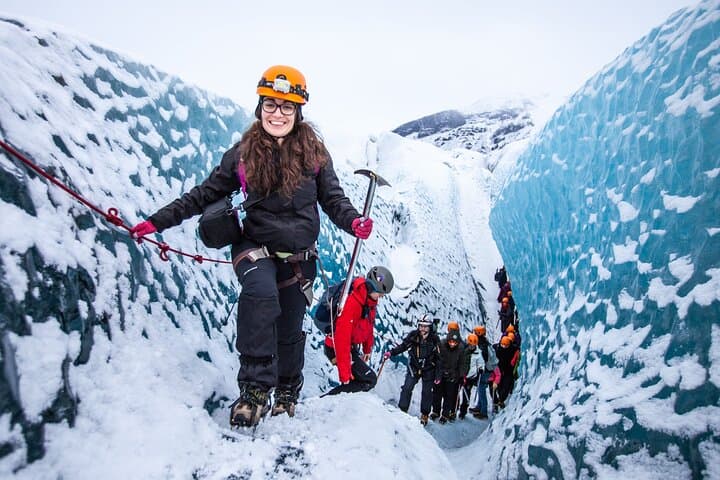
Beneath a sky of shifting light, Skaftafell’s ice reads like a map of time. This three-hour guided glacier hike mixes technical instruction with geology and culture: compact, safe, and unforgettable.
 Related story
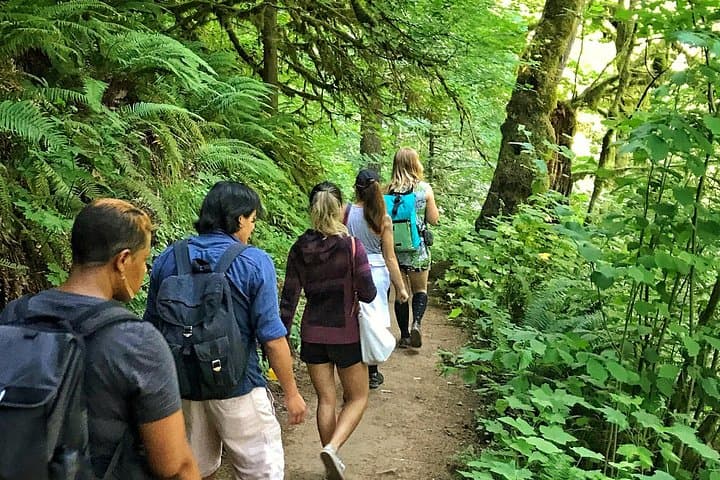
Lose the city for a few hours without leaving it: this 5-mile, 900-foot-gain Forest Park loop threads old-growth pockets, city viewpoints, and cultural landmarks for a compact taste of Portland’s wild side. Expect moss, roots, and stories.